
Military Pilot Exodus Deepens as Airline Pay Dramatically Outpaces US Armed Forces Compensation in 2026
Breaking airline news and aviation industry updates for 2026.

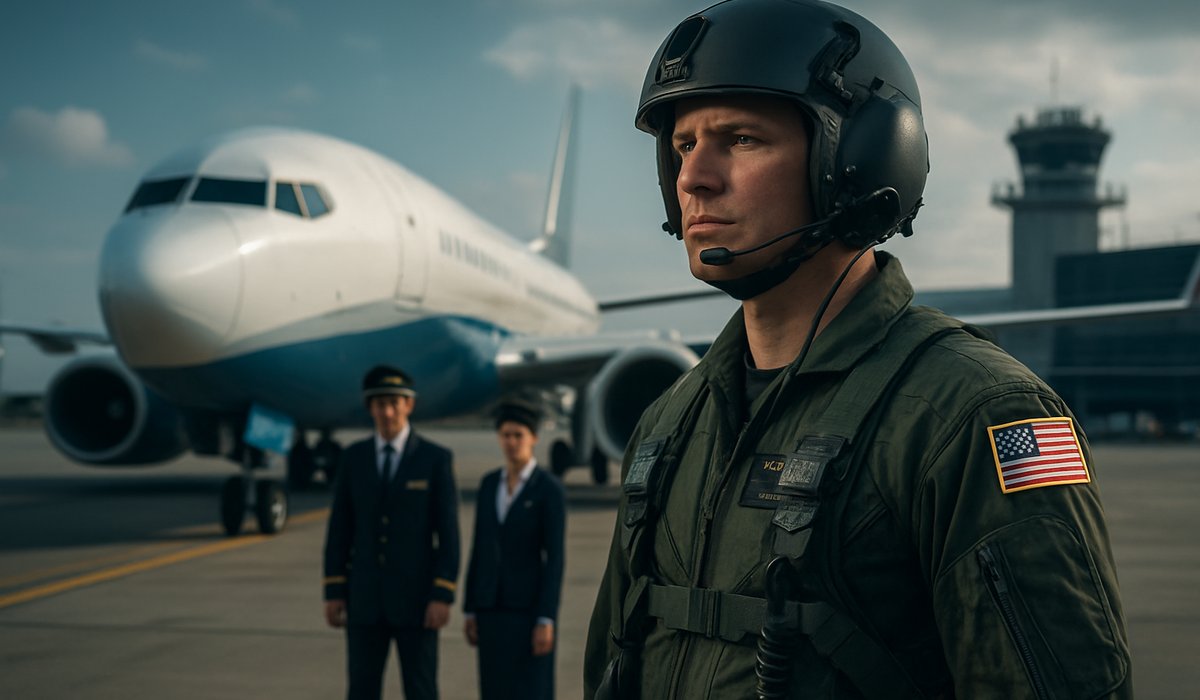
Image generated by AI
Military Pilot Exodus Deepens as Airline Pay Dramatically Outpaces US Armed Forces Compensation in 2026
Despite enhanced retention incentives, commercial aviation continues to lure elite defense aviators away from service
The Widening Compensation Gap
The United States military faces a critical challenge in retaining its most skilled aviators as commercial airlines offer compensation packages that significantly exceed what the armed forces can provide. Even with enhanced bonuses and improved pay structures implemented in 2026, military pilot salaries remain substantially lower than those available in the civilian aviation sector, signaling a troubling trend for defense readiness.
Air Force fighter pilots, Navy carrier aviators, Marine Corps expeditionary pilots, and Army helicopter crews—trained in some of the world's most demanding operational environments—increasingly view the commercial airline industry as their primary career destination. This shift represents more than a simple career choice; it reflects a fundamental competitive disadvantage in the military's ability to retain institutional expertise.
Military Compensation Efforts Fall Short
The Department of Defense has implemented increasingly aggressive retention bonuses and revised compensation frameworks aimed at stemming pilot departures. However, these measures have proven insufficient against the financial allure of major carriers desperate to rebuild pilot rosters after pandemic-related staffing shortages.
Commercial aviation's expansion and fleet modernization have created unprecedented demand for qualified pilots. Airlines competing for talent have substantially raised baseline salaries, signing bonuses, and benefits packages—moves that defense officials acknowledge they cannot easily match within existing budget constraints and federal pay structures.
Industry Context: Airlines' Push for Talent
Major U.S. carriers have invested heavily in recruitment as air travel demand remains robust and pilot retirements accelerate. With military pilots commanding premium qualifications—advanced technical training, leadership experience under high-pressure conditions, and security clearances—they represent ideal candidates for airlines seeking experienced professionals.
The commercial aviation sector's capacity to offer six-figure salaries within five years, coupled with flexible scheduling and civilian lifestyle benefits, presents compelling alternatives to military service. This disparity threatens military aviation's operational capability and institutional knowledge continuity.
Strategic Implications
Military leaders have publicly expressed concern about the exodus, warning that sustained pilot shortages could impact readiness across defense operations. The loss of experienced aviators represents not merely a personnel challenge but a degradation of institutional expertise difficult to replace through accelerated training programs.
As geopolitical tensions persist and military aviation capabilities remain strategically vital, the compensation gap with commercial airlines has emerged as an unexpected vulnerability in national defense infrastructure. Until policymakers address this structural imbalance, military aviation branches will likely continue losing elite talent to commercial competition.
Frequently Asked Questions
Why do airline pilots earn more than military pilots? Commercial airlines operate in competitive labor markets with revenue-based compensation models. Military pay is constrained by federal structures and budget appropriations, limiting flexibility despite growing pilot shortages across both sectors.
How much more do commercial airline pilots earn compared to military aviators? Experienced commercial pilots can earn $200,000-$300,000+ annually within 8-10 years, while military pilots of equivalent experience typically earn $100,000-$150,000, representing a significant gap.
What retention bonuses has the military implemented? The Department of Defense has increased selective reenlistment bonuses and implemented improved compensation packages, though these remain insufficient to match airline offers.
How does the pilot shortage affect military readiness? Sustained pilot departures reduce operational capability, increase workload on remaining aviators, and threaten institutional knowledge continuity across defense aviation operations.
Are other countries experiencing similar military pilot shortages? Many NATO allies face comparable challenges as commercial aviation demand recovers globally, creating international competition for qualified aviators.
Related Travel Guides
Disclaimer
This article is for informational and educational purposes only. It does not constitute legal, financial, or professional advice. While we strive to provide accurate and up-to-date information, travel policies, regulations, and conditions change rapidly. Always verify information with official sources before making travel decisions. Nomad Lawyer makes no representations about the accuracy, reliability, completeness, or suitability of the information provided. Readers should consult qualified professionals for advice specific to their circumstances. The views expressed in this article are those of the author and do not necessarily reflect the views of Nomad Lawyer.
Raushan Kumar
Founder & Lead Developer
Full-stack developer with 11+ years of experience and a passionate traveller. Raushan built Nomad Lawyer from the ground up with a vision to create the best travel and law experience on the web.
Learn more about our team →