
Why Pilots Reduce Engine Thrust Immediately After Takeoff: A Safety and Efficiency Protocol
Breaking airline news and aviation industry updates for 2026.

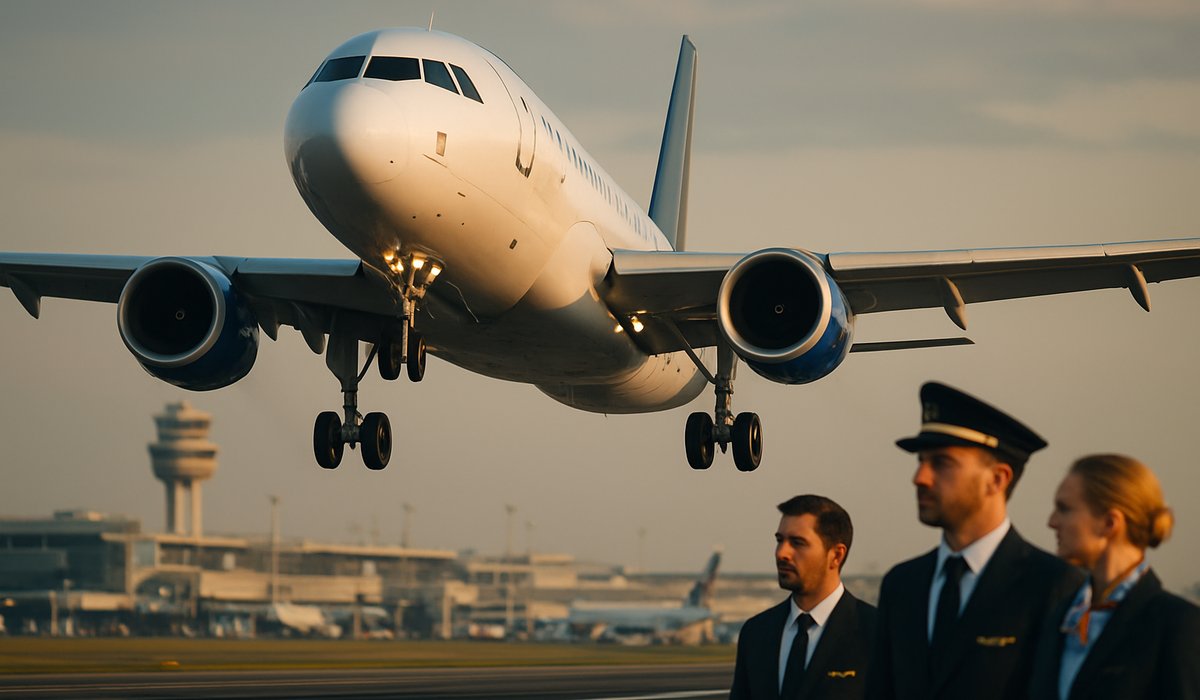
Image generated by AI
Why Pilots Reduce Engine Thrust Immediately After Takeoff: A Safety and Efficiency Protocol
Understanding the critical aeronautical procedure that happens seconds after your aircraft leaves the runway
The Phenomenon Passengers Notice But Few Understand
Travelers aboard commercial flights frequently experience a distinctive moment in the opening seconds of flight—one that often triggers concern among anxious flyers. As an aircraft rotates upward from the runway and becomes airborne, the deafening roar of engines at maximum power abruptly diminishes. The thrust appears to ease considerably, creating a noticeable shift in cabin pressure and engine noise that can feel counterintuitive when the plane is still climbing at a relatively low altitude above the ground.
Why Pilots Deliberately Reduce Power During Initial Climb
This reduction in thrust is neither a malfunction nor a loss of control—it is instead a deliberate, carefully calculated decision made by pilots operating within established aviation protocols. Seconds after liftoff, aviators systematically reduce engine power from full takeoff thrust to a lower climb setting, a procedure known as "thrust reduction" or the "climb thrust schedule."
The primary driver behind this maneuver is engine preservation and fuel efficiency. Maintaining maximum takeoff thrust continuously would impose excessive stress on jet engines, accelerating wear and degradation of critical components. By transitioning to reduced climb power once the aircraft achieves a safe altitude and airspeed, pilots extend engine service life while simultaneously reducing fuel consumption during the initial climb phase.
Safety, Aerodynamics, and Regulatory Standards
Beyond maintenance considerations, this procedure aligns with fundamental aeronautical principles. Once an aircraft reaches sufficient altitude and velocity, maintaining full takeoff power becomes unnecessary for continued climb performance. Modern aircraft are engineered to climb efficiently at reduced thrust levels, allowing pilots to optimize fuel burn without compromising safety margins.
Aviation regulatory bodies, including the Federal Aviation Administration (FAA) and the European Union Aviation Safety Agency (EASA), mandate these thrust reduction procedures as part of standard operating protocols. Airlines develop specific thrust reduction schedules for each aircraft type, accounting for variables including aircraft weight, atmospheric conditions, and runway performance requirements.
Passenger Safety Remains Paramount
For passengers concerned about this apparent power loss, aviation experts emphasize that aircraft maintain full control authority and climbing capability throughout this transition. Pilots never reduce thrust below levels required to sustain safe climb performance. The procedure is executed only after the aircraft achieves a stable climb with adequate altitude buffers and airspeed margins—typically within the first few hundred feet above ground level.
This well-established practice demonstrates how modern commercial aviation balances operational efficiency with safety excellence.
FAQ: Common Questions About Thrust Reduction After Takeoff
Q: Is it normal for engines to sound quieter shortly after takeoff? A: Yes, this is entirely normal. Pilots deliberately reduce thrust once the aircraft achieves safe climbing conditions to preserve engine longevity and optimize fuel efficiency.
Q: Does reducing thrust during climb affect flight safety? A: No. Aircraft are designed to climb safely at reduced power settings. Pilots only implement thrust reductions after establishing stable climb with adequate safety margins above the ground.
Q: Why don't airlines maintain maximum thrust throughout the entire climb? A: Continuous maximum thrust would cause premature engine wear and consume excessive fuel. Reduced climb thrust extends engine service intervals and lowers operational costs.
Q: At what altitude do pilots reduce thrust? A: Thrust reduction typically occurs within the first few hundred feet of altitude, once the aircraft achieves safe airspeed and climbing performance.
Q: How is thrust reduction different between different aircraft types? A: Each aircraft model has manufacturer-specified thrust reduction schedules based on engine performance, weight capacity, and aerodynamic characteristics. Airlines follow these protocols precisely.
Related Travel Guides
-
Travel easyJet Prepares Record Easter Capacity Amid Geopolitical Headwinds
-
Turkish Airlines Relaunches Daily Istanbul-Tirana Flights: Travel Easier in 2026
External Resources
Disclaimer
This article is for informational and educational purposes only. It does not constitute legal, financial, or professional advice. While we strive to provide accurate and up-to-date information, travel policies, regulations, and conditions change rapidly. Always verify information with official sources before making travel decisions. Nomad Lawyer makes no representations about the accuracy, reliability, completeness, or suitability of the information provided. Readers should consult qualified professionals for advice specific to their circumstances. The views expressed in this article are those of the author and do not necessarily reflect the views of Nomad Lawyer.
Raushan Kumar
Founder & Lead Developer
Full-stack developer with 11+ years of experience and a passionate traveller. Raushan built Nomad Lawyer from the ground up with a vision to create the best travel and law experience on the web.
Learn more about our team →