
Air China Cargo Doubles Down on A350F Freighter Fleet, Expanding Order to 10 Aircraft
Breaking airline news and aviation industry updates for 2026.

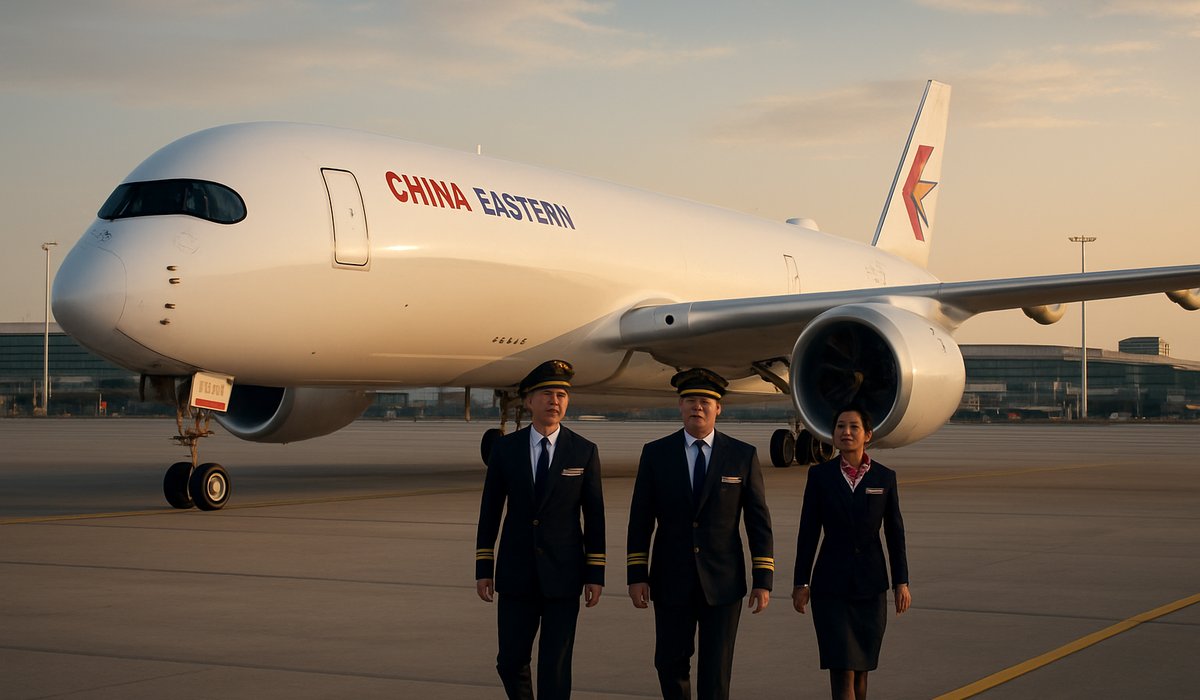
Image generated by AI
Air China Cargo Doubles Down on A350F Freighter Fleet, Expanding Order to 10 Aircraft
Major Chinese carrier signals confidence in next-generation cargo aircraft as global freight demand surges
Breaking Development in Global Cargo Aviation
Air China Cargo has significantly expanded its commitment to Airbus's next-generation freighter program, escalating its order for the A350F from six to ten aircraft. The announcement, confirmed by Airbus on May 26, marks a pivotal moment for the European aircraft manufacturer's penetration into China's rapidly expanding air cargo sector and underscores growing institutional confidence in the widebody freighter's commercial viability.
Strategic Expansion Reflects Market Confidence
The four-aircraft increase represents Air China Cargo's strengthened conviction in the A350F platform as it approaches its anticipated service entry later this decade. The carrier's expanded commitment signals robust appetite for modern, fuel-efficient freighter capacity amid sustained global demand for air cargo solutions.
This development arrives as Asian carriers accelerate fleet modernization efforts, driven by elevated cargo volumes and the economic advantages of newer aircraft technology. The A350F's advanced engineering promises significantly improved fuel efficiency and payload capacity compared to legacy freighter models, translating to reduced operating expenses—a critical metric for carriers navigating volatile jet fuel prices and competitive cargo markets.
Airbus Strengthens Market Position in China
The order expansion reinforces Airbus's strategic advantage in the Chinese aviation sector, where domestic carriers increasingly favor European technology for both passenger and cargo operations. Air China Cargo's enlarged order validates the A350F's positioning as the successor to aging freighter fleets operated across Asia-Pacific routes, which handle approximately one-third of global air cargo traffic.
The widebody freighter segment has experienced renewed investment from major operators seeking to replace aircraft from the 1990s and early 2000s, particularly as supply chain disruptions and e-commerce growth have sustained elevated freight demand globally.
Broader Industry Implications
Air China Cargo's decision reflects confidence in sustained cargo market fundamentals despite macroeconomic headwinds. The carrier operates one of Asia's largest freight networks, serving key transcontinental routes connecting Asia, Europe, and North America—corridors where cargo yields remain comparatively resilient.
The A350F program, meanwhile, now demonstrates accumulating operator endorsement beyond traditional Western markets, a development that should accelerate certification timelines and production ramp-up planning at Airbus's manufacturing facilities.
Frequently Asked Questions
What is the A350F and how does it differ from passenger variants? The Airbus A350F is a dedicated widebody freighter design based on the A350 platform, optimized for cargo operations with enhanced payload capacity, reinforced fuselage structure, and specialized loading systems rather than passenger seating configurations.
Why are airlines investing in new freighter aircraft now? Modern freighters offer superior fuel efficiency, reduced maintenance costs, and higher cargo capacity compared to aging fleets, while strong global freight demand driven by e-commerce and supply chain recovery justifies capital investment.
How does jet fuel pricing impact airline freighter economics? Volatile fuel costs directly affect operating margins on cargo routes; newer aircraft like the A350F consume approximately 20-25% less fuel than legacy freighters, providing significant competitive advantages during high-fuel-price environments.
When will the A350F enter commercial service? Airbus projects entry into service in the latter half of the decade, with Air China Cargo positioned as an early operator once certification and delivery schedules align.
What is the competitive landscape for widebody freighters? Boeing's 777F and Airbus's A330-200F currently dominate the market, while the A350F represents next-generation competition promising superior economics and environmental performance standards.
Related Travel Guides
Flight Delay Compensation Guide 2026
Understanding Airline Route Changes
Airport Security Process Updated (2026)
External Resources
Disclaimer
This article is for informational and educational purposes only. It does not constitute legal, financial, or professional advice. While we strive to provide accurate and up-to-date information, travel policies, regulations, and conditions change rapidly. Always verify information with official sources before making travel decisions. Nomad Lawyer makes no representations about the accuracy, reliability, completeness, or suitability of the information provided. Readers should consult qualified professionals for advice specific to their circumstances. The views expressed in this article are those of the author and do not necessarily reflect the views of Nomad Lawyer.
Preeti Gunjan
Contributor & Community Manager
A passionate traveller and community builder. Preeti helps grow the Nomad Lawyer community, fostering engagement and bringing the reader experience to life.
Learn more about our team →