
United Airlines Operates Entire Aircraft for Single Passenger, Fills Empty Seats With Sandbags to Balance Weight
Breaking airline news and aviation industry updates for 2026.

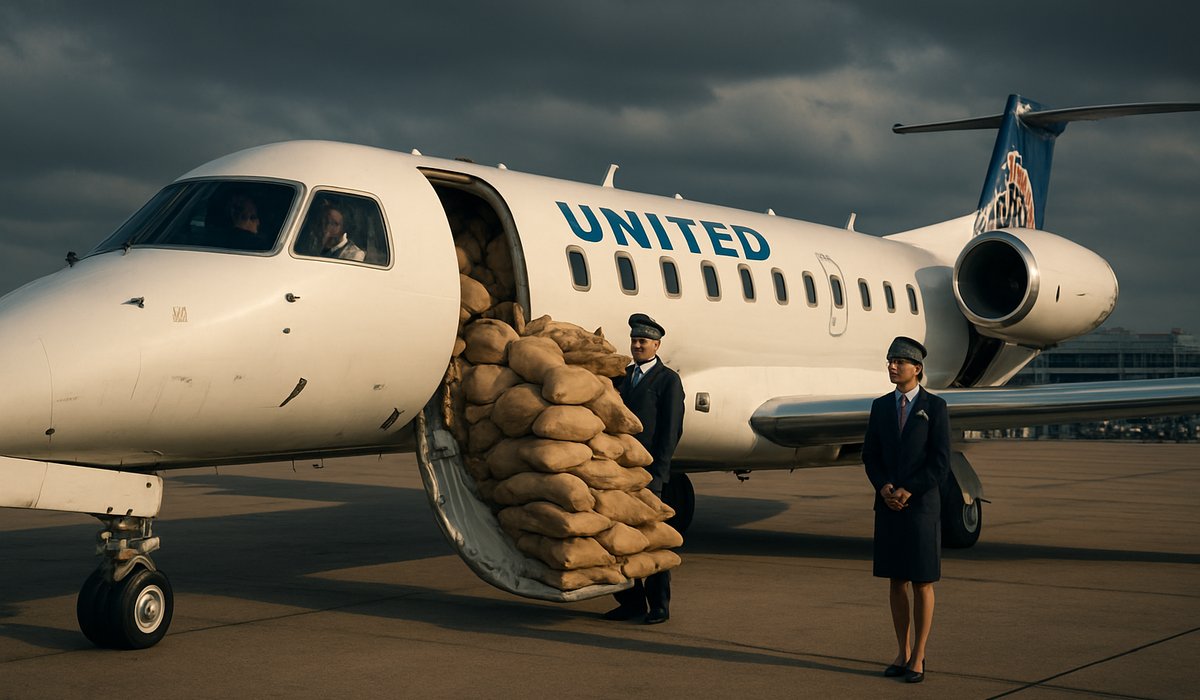
Image generated by AI
United Airlines Operates Entire Aircraft for Single Passenger, Fills Empty Seats With Sandbags to Balance Weight
Rare operational decision highlights post-pandemic aviation challenges and cost management strategies
The Unusual Flight That Defied Convention
In a striking illustration of modern aviation logistics, United Airlines recently operated a regional Embraer ERJ145 aircraft with just one passenger on board, deploying an unconventional solution to maintain the aircraft's weight and balance: sandbags filled the remaining seats. The extraordinary decision underscores the complex operational realities facing carriers as they navigate fluctuating demand patterns and regulatory compliance requirements in the post-pandemic travel landscape.
Why Airlines Can't Simply Fly Empty
Unlike commercial operations where every seat represents potential revenue, aircraft must adhere to strict weight and balance calculations for safe flight operations. Removing passengers from a route without compensation creates a cascading problem: the aircraft becomes too light relative to fuel load and cargo, potentially affecting aerodynamic stability and fuel efficiency. Rather than cancel the service—which would breach contractual obligations and strand the passenger—United opted to ballast the aircraft with sandbags, a practice that, while unusual in modern commercial aviation, remains within operational guidelines.
The Economics Behind an Empty Flight
This scenario reflects broader pressures reshaping the aviation industry. Jet fuel price volatility, combined with regional route profitability challenges and post-pandemic demand recovery inconsistencies, has forced carriers to make unconventional operational decisions. Airlines cannot arbitrarily eliminate scheduled flights without facing regulatory penalties, contractual breaches with connecting passengers, and damage to service reliability metrics—elements crucial to maintaining market reputation and consumer trust.
The ERJ145, a 50-seat regional jet, represents the backbone of commuter operations for major carriers. When demand drops unexpectedly on these smaller routes, operators face a dilemma: operate at significant losses or implement creative load-balancing solutions.
Broader Industry Implications
The incident highlights mounting pressures on regional aviation networks, where route profitability has deteriorated significantly. Simultaneous increases in jet fuel prices, labor costs, and baggage fee revenue constraints have compressed margins across the industry. Airlines have responded by implementing aggressive baggage charge structures—now standard across U.S. carriers—and consolidating regional schedules.
This operational decision also raises questions about aviation sustainability and route viability. As carriers evaluate network efficiency, routes with thin demand face continued scrutiny, potentially affecting service to smaller communities that depend on regional connections.
Frequently Asked Questions
Why can't airlines just operate lighter aircraft on low-demand routes? Aircraft are scheduled based on demand forecasting and contractual obligations. Switching aircraft disrupts crew scheduling, maintenance cycles, and connecting passenger networks. Weight and balance regulations mandate ballast when aircraft are too light for safe operation.
How much do airline baggage fees contribute to operational revenue? U.S. carriers generate approximately $5-6 billion annually from checked baggage fees alone, making ancillary revenue critical to profitability as jet fuel prices fluctuate.
Are sandbag ballasting flights common in commercial aviation? While within operational parameters, actual passenger flights using sandbags remain rare. Cargo flights or repositioning flights more commonly employ ballast, but passenger services typically avoid this visible reminder of low demand.
What factors determine regional airline route viability? Load factors (percentage of seats filled), jet fuel costs, labor agreements, airport fees, and connecting traffic volume all influence whether carriers maintain regional routes.
How does this affect ticket prices for passengers? Low demand on routes increases per-seat operating costs, which carriers often offset through higher fares, fuel surcharges, and expanded ancillary fees.
Related Travel Guides
-
Boeing 737 MAX Engine Constraints: Why the Airframe Cannot Accommodate Alternative Powerplants
-
Delta Air Lines Forced Into Rapid U-Turn on Overhauled SkyMiles Program After Customer Backlash
-
Budget Airline Collapse Linked to Iran Crisis Sparks Europe Travel Fears
External Resources
Disclaimer
This article is for informational and educational purposes only. It does not constitute legal, financial, or professional advice. While we strive to provide accurate and up-to-date information, travel policies, regulations, and conditions change rapidly. Always verify information with official sources before making travel decisions. Nomad Lawyer makes no representations about the accuracy, reliability, completeness, or suitability of the information provided. Readers should consult qualified professionals for advice specific to their circumstances. The views expressed in this article are those of the author and do not necessarily reflect the views of Nomad Lawyer.
Kunal K Choudhary
Co-Founder & Contributor
A passionate traveller and tech enthusiast. Kunal contributes to the vision and growth of Nomad Lawyer, bringing fresh perspectives and driving the community forward.
Learn more about our team →