
United Airlines Opts for Shorter-Range Dreamliner on Grueling Chicago-Tokyo Route, Challenging Aviation Industry Norms
Breaking airline news and aviation industry updates for 2026.

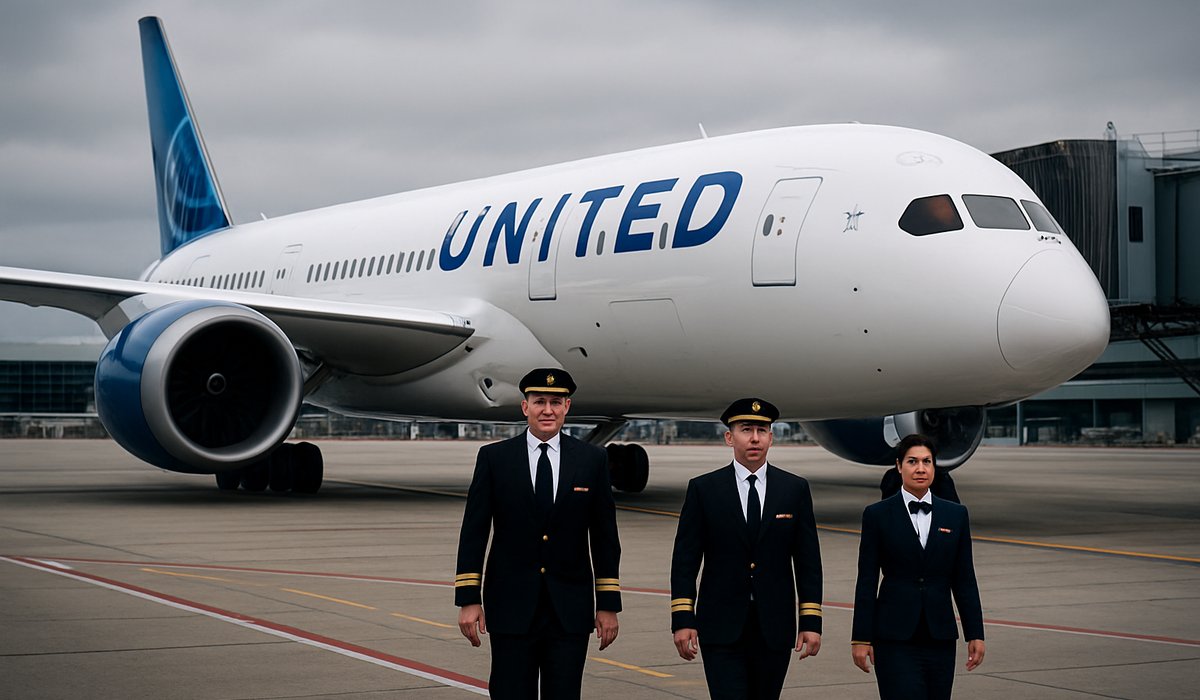
Image generated by AI
United Airlines Opts for Shorter-Range Dreamliner on Grueling Chicago-Tokyo Route, Challenging Aviation Industry Norms
Strategic deployment of Boeing 787-10 signals shift in long-haul aircraft economics and operational efficiency
Industry Defies Convention with Compact Dreamliner Strategy
United Airlines is bucking decades of aviation industry orthodoxy by deploying the Boeing 787-10—the shortest-range variant in the Dreamliner family—on one of its most demanding transpacific routes: the grueling 6,306-mile Chicago to Tokyo corridor. The counterintuitive decision challenges the long-held airline belief that maximum aircraft range automatically translates to operational flexibility and competitive advantage on extended international flights.
The carrier's strategic choice reflects a fundamental recalibration in how major airlines evaluate long-haul aircraft investments, prioritizing fuel efficiency and payload optimization over raw distance capabilities—a critical consideration as jet fuel prices remain volatile and aviation industry margins continue to narrow.
The Economics of Shorter-Range Aircraft
The 787-10's selection for this transpacific service illustrates a broader industry awakening: the most technologically advanced aircraft don't always require maximum range to succeed on long-haul routes. Instead, United's decision centers on operational economics that increasingly dominate fleet decisions across the global aviation sector.
The Boeing 787-10, while shorter-range than its larger siblings, delivers superior fuel efficiency and lower operating costs per available seat kilometer—metrics that carry significant weight as airlines grapple with sustained jet fuel price pressures and competitive cabin pricing. The aircraft's advanced composite construction, enhanced passenger cabin environment, and improved aerodynamics enable carriers to maintain profitability on demanding international routes while managing fleet complexity.
Broader Industry Implications
This deployment strategy signals a meaningful shift in how carriers approach long-haul network planning. Rather than pursuing maximum aircraft range as an insurance policy against operational constraints, forward-thinking airlines increasingly recognize that the right-sized aircraft—properly configured for specific route demands—generates superior financial returns.
The trend carries particular significance amid ongoing supply chain challenges affecting aircraft deliveries and sustained pressure on airline profitability from elevated operating costs. Industry analysts note that this pragmatic approach to fleet deployment may influence future aircraft procurement decisions across major international carriers.
FAQ: Understanding Modern Long-Haul Aviation Strategy
Q: Why would airlines choose shorter-range aircraft for ultra-long flights? A: Modern aircraft economics prioritize fuel efficiency and payload optimization over raw range. Shorter-range variants often deliver better returns on routes where maximum distance capability remains unnecessary.
Q: How do jet fuel prices impact aircraft selection decisions? A: Volatile fuel markets drive airlines toward aircraft with superior fuel economy, making efficient designs like the 787-10 increasingly attractive despite smaller range specifications.
Q: What advantages does the 787-10 offer on transpacific routes? A: Advanced composite technology, reduced operating costs, enhanced passenger comfort, and improved aerodynamic efficiency compensate for slightly diminished range capabilities.
Q: Are other airlines adopting similar strategies? A: Yes—the trend reflects industry-wide recognition that operational efficiency and route-specific optimization now outweigh traditional preferences for maximum aircraft capability.
Q: How does this affect airline baggage fees and ticket pricing? A: Lower per-seat operating costs theoretically enable more competitive fares, though competitive dynamics and fuel surcharges ultimately determine passenger ticket pricing across the aviation industry.
Related Travel Guides
External Resources
Disclaimer
This article is for informational and educational purposes only. It does not constitute legal, financial, or professional advice. While we strive to provide accurate and up-to-date information, travel policies, regulations, and conditions change rapidly. Always verify information with official sources before making travel decisions. Nomad Lawyer makes no representations about the accuracy, reliability, completeness, or suitability of the information provided. Readers should consult qualified professionals for advice specific to their circumstances. The views expressed in this article are those of the author and do not necessarily reflect the views of Nomad Lawyer.
Kunal K Choudhary
Co-Founder & Contributor
A passionate traveller and tech enthusiast. Kunal contributes to the vision and growth of Nomad Lawyer, bringing fresh perspectives and driving the community forward.
Learn more about our team →