
Travel easyJet Prepares Record Easter Capacity Amid Geopolitical Headwinds
easyJet deploys 5+ million seats across 30,000 Easter flights in 2026, but geopolitical tensions threaten Europe's busiest holiday getaway. What travelers need to know.

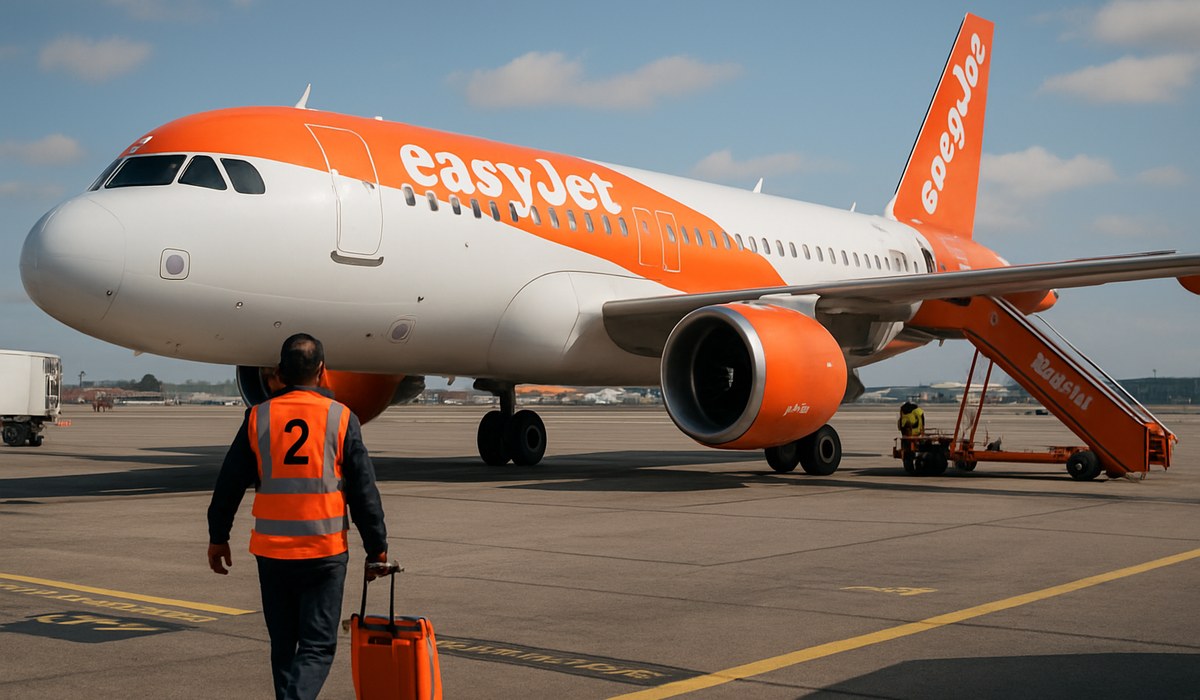
Image generated by AI
Quick Summary
- easyJet is mobilizing over 5 million seats across 30,000 flights for Easter 2026, marking the carrier's most ambitious holiday operation to date
- Congestion at major European hubs and ongoing Middle Eastern tensions could disrupt schedules across Mediterranean routes
- Travelers should book refundable fares, monitor real-time flight status, and plan buffer time between connections during the peak Easter window
- Regional economic impacts could exceed €2 billion in tourism revenue if holiday travel proceeds without major disruptions
easyJet's Record Easter Capacity: 5 Million Seats Across 30,000 Flights
Europe's largest low-cost carrier is betting heavily on an unprecedented Easter holiday surge. easyJet has announced deployment of more than 5 million available seats distributed across approximately 30,000 individual flight operations spanning the entire Easter holiday window in 2026. This represents a measurable increase from previous seasonal peaks, positioning the airline to capture maximum market share during one of Europe's most commercially attractive travel periods.
The operational scale speaks to confidence in post-pandemic leisure demand recovery. Easter travel traditionally drives 15–20% of annual revenue for low-cost carriers, with families and independent travelers booking extended city breaks, beach holidays, and multi-country tours. easyJet's network spans 30 European countries, with major concentration on routes connecting Western and Central European origin cities to Mediterranean, Balkan, and Eastern European destinations.
The airline has coordinated with airport partners across its network to increase ground handling capacity, boarding bridge availability, and gate allocation during March 28–April 15, 2026. Spokesperson statements indicate confidence in meeting published schedules, though operational resilience faces mounting pressure from external factors beyond the airline's direct control.
European Air Traffic Network Capacity & Congestion Challenges
Easter holiday flights will funnel through a continental airspace system already operating near maximum sustainable capacity. Across Western and Central Europe, airports including London Stansted, Berlin Brandenburg, Paris Orly, Milan Malpensa, and Barcelona–El Prat experience simultaneous passenger volume spikes from multiple carriers competing for limited landing slots and ground infrastructure.
According to Eurocontrol's real-time air traffic management data, European airspace accommodates approximately 30,000 daily flights during peak summer periods—and Easter 2026 threatens to rival midsummer congestion levels. Ground delays averaging 8–15 minutes per operation have become standard at major hubs during holiday weekends. easyJet alone accounts for roughly 8–10% of this daily volume, meaning its Easter schedule directly intersects with competing traffic from Ryanair, Lufthansa, Air France, and dozens of legacy carriers.
The coordination challenge intensifies because Easter's precise timing shifts annually. In 2026, the holiday falls relatively late (April 5), extending the shoulder period and compressing demand into a narrower window. Airport slot availability—already rationed under EU regulations—cannot expand to meet surge demand. This structural constraint means some flights will face longer-than-advertised taxi times, potential ground holds, and cascading minute-level delays that accumulate across tight itineraries.
Weather volatility during late March across Northern Europe compounds these challenges. Thunderstorm systems, crosswind conditions, and occasional snow in Alpine regions historically produce 20–30% increase in delay rates during spring holiday periods.
Geopolitical Risk Factors Impacting Mediterranean Routes
The headline capacity figures mask a critical vulnerability: geopolitical instability across key tourism corridors threatens to strand passengers mid-journey or force costly last-minute itinerary revisions.
easyJet's Easter schedule relies heavily on routes extending southward toward Mediterranean beaches and Eastern European cultural destinations. These corridors now intersect with escalating regional tensions. As detailed in our analysis of regional travel disruptions across conflict zones, Middle Eastern tensions directly constrain aviation routes serving Greece, Turkey, Cyprus, and southern Italy.
Flight corridors over the Eastern Mediterranean—historically used by European carriers serving Tel Aviv, Istanbul, and Cairo—face increased military activity, temporary airspace closures, and unpredictable NOTAM (Notice to Airmen) updates. Airlines operating these routes must maintain fuel reserves for alternate routing, increasing operating costs and reducing payload capacity. For easyJet, this means potential aircraft substitutions (smaller planes on affected routes) and capacity reductions precisely when demand peaks.
North African approach routes into Spain, Italy, and Greece remain susceptible to disruption. The Strait of Gibraltar, through which hundreds of daily flights pass, experiences occasional military exercises and traffic separation challenges. Secondary routing options north through France impose fuel and time penalties, making schedule adherence increasingly difficult.
easyJet has not publicly disclosed contingency plans for sustained airspace restrictions, though industry precedent suggests carriers will absorb short-term disruptions before triggering passenger rebooking cascades.
Economic Impact on Local Tourism Destinations
Easter holiday travel traditionally generates €1.8–2.2 billion in direct tourism revenue across European destination cities. easyJet's 5 million seats represent approximately 2.5 million passenger movements (assuming 2-way journeys), concentrating spending across accommodation, dining, attractions, and ground transportation in spring-holiday-dependent regions.
Mediterranean coastal destinations—Palma de Mallorca, Ibiza, Algarve, Greek islands, Croatian Adriatic towns—depend on Easter crowds to fund summer season staffing, inventory purchases, and maintenance. Tourism board projections anticipate Easter 2026 will exceed 2025 volumes by 12–18%, contingent on smooth airline operations.
Secondary effects ripple through hotel, car rental, and activity booking platforms. Cancellations triggered by flight disruptions create cascading refund requests, occupancy collapses, and revenue volatility that smaller family-owned businesses cannot absorb. Revenue volatility of ±5% during a single week can determine annual profitability for seasonal hospitality operators.
The economic multiplier effect means each cancelled or significantly delayed passenger flight reduces local economy spending by approximately €200–400 per person across the destination stay. Sustained disruptions across multiple routes could reduce tourism sector revenue by 3–5% annually—a material impact for regions where tourism represents 15–25% of GDP.
How to Monitor & Prepare for Holiday Flight Disruptions
Smart travelers should employ proactive monitoring strategies rather than reactive response approaches. Using FlightRadar24 live flight tracking, passengers can observe real-time aircraft positions, actual departure/arrival times, and route deviations indicating capacity constraints or airspace restrictions. Monitoring 3–5 days before scheduled departure provides early warning of systemic delays affecting your carrier and destination airport.
For business and digital nomad travelers—particularly those practicing digital nomads and travel planning strategies—Easter holiday travel conflicts should be anticipated months in advance. Building 24–48 hour buffer time between critical professional commitments and Easter travel dates reduces financial exposure if disruptions occur.
Booking strategy matters significantly. Refundable or flexible-change fares cost 15–30% more than fixed-date budget tickets but preserve optionality if disruptions force itinerary revision. easyJet's "Flexi" fare tier includes free rebooking on alternative flights within 7 days, substantially reducing risk during volatile periods.
Travelers should verify whether destination locations maintain operational
Disclaimer
This article is for informational and educational purposes only. It does not constitute legal, financial, or professional advice. While we strive to provide accurate and up-to-date information, travel policies, regulations, and conditions change rapidly. Always verify information with official sources before making travel decisions. Nomad Lawyer makes no representations about the accuracy, reliability, completeness, or suitability of the information provided. Readers should consult qualified professionals for advice specific to their circumstances. The views expressed in this article are those of the author and do not necessarily reflect the views of Nomad Lawyer.
Kunal K Choudhary
Co-Founder & Contributor
A passionate traveller and tech enthusiast. Kunal contributes to the vision and growth of Nomad Lawyer, bringing fresh perspectives and driving the community forward.
Learn more about our team →