
What Modern Pilots Really Do During Transatlantic Flights: Breaking Down the Autopilot Myth
Breaking airline news and aviation industry updates for 2026.

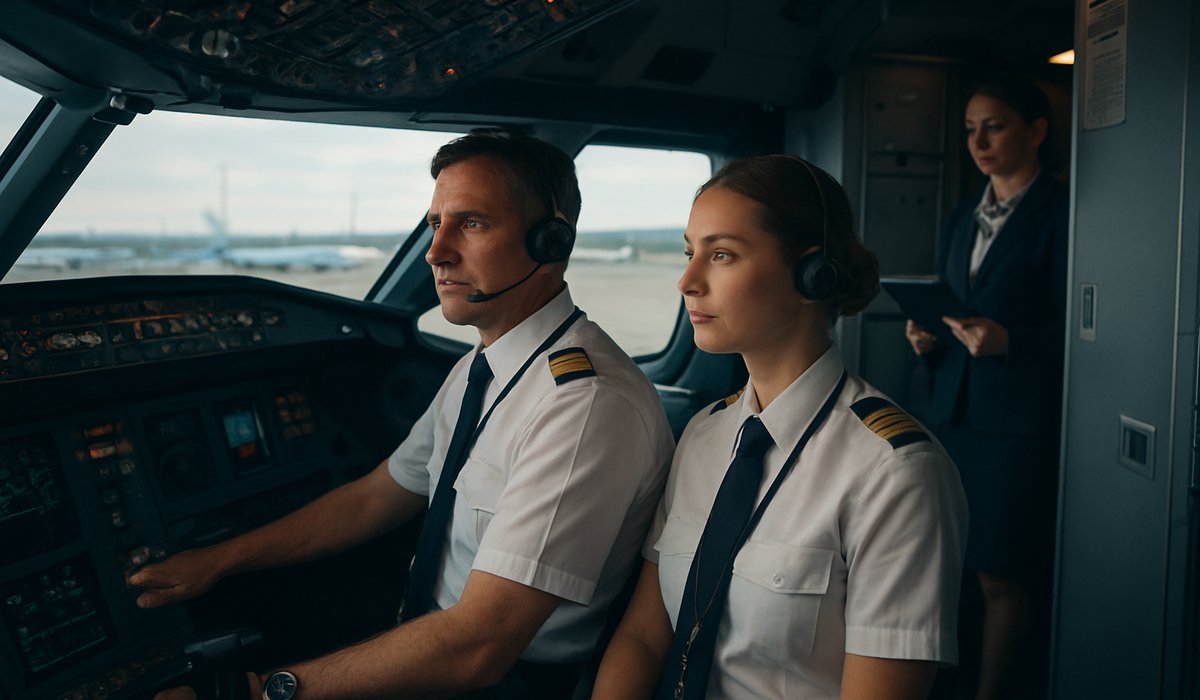
Image generated by AI
What Modern Pilots Really Do During Transatlantic Flights: Breaking Down the Autopilot Myth
Inside the cockpit: How aviation's most experienced professionals manage long-haul operations while automation handles the controls
The Autopilot Misconception Needs Correcting
A persistent myth circulates through the traveling public: once a commercial aircraft reaches cruising altitude on a transatlantic crossing, pilots essentially disengage from their responsibilities, leaving automated systems to handle the journey. Aviation experts and industry insiders are pushing back against this dangerous oversimplification, emphasizing that pilot engagement remains critical throughout extended flights—even when sophisticated autopilot technology dominates flight control operations.
What Actually Happens at 35,000 Feet
Modern long-haul aircraft, from Boeing 777s to Airbus A350s, do rely heavily on autopilot systems during the cruise phase of transatlantic journeys. However, this technological advantage creates an entirely new operational framework rather than eliminating pilot responsibilities.
During the 6-10 hour cruise segments typical of North Atlantic crossings, pilots continuously monitor an extensive array of systems. They track fuel consumption, hydraulic pressure, engine performance metrics, and weather pattern developments. Real-time communication with air traffic control requires constant attention to radio frequencies and routing adjustments. Pilots also manage periodic cabin pressurization checks, review navigation waypoints, and prepare contingency procedures for potential mechanical issues or unexpected weather systems.
Active Monitoring and Decision-Making
The cockpit environment during long-haul operations demands sophisticated cognitive engagement. Pilots interpret meteorological data, coordinate with dispatch centers regarding fuel efficiency and flight path optimization, and maintain situational awareness across multiple systems simultaneously. They conduct regular cross-checks of navigational accuracy and validate that the aircraft's actual performance aligns with pre-flight calculations.
Additionally, pilots manage crew rest scheduling, coordinate meal services with cabin staff, and prepare descent procedures hours in advance. They must remain primed to disengage autopilot systems instantaneously if mechanical anomalies emerge or if standard procedures require manual intervention—scenarios that demand peak mental readiness despite the absence of active control inputs.
The Regulatory Framework
Aviation authorities internationally mandate that pilots maintain continuous cockpit presence and operational readiness. Two-pilot crews on transatlantic flights ensure one pilot always remains actively engaged while the other may rest during designated periods, further reinforcing the industry's commitment to human oversight across all flight phases.
FAQ: Autopilot and Long-Haul Aviation Operations
Q: Do pilots actually sleep during transatlantic flights? A: Pilots do take scheduled rest breaks on flights exceeding specific durations, but one pilot remains awake and actively monitoring the aircraft at all times. This adheres to strict regulatory requirements for crew rest management.
Q: What happens if autopilot fails mid-flight over the Atlantic? A: Pilots are extensively trained for manual flight operations. Modern aircraft include redundant autopilot systems, and pilots can safely fly transatlantic routes manually if necessary, though this is extraordinarily rare.
Q: How much actual flying do commercial pilots do? A: Depending on the flight, pilots may actively hand-fly during takeoff, climb, descent, and landing phases—typically 30-45 minutes of a transatlantic journey. The remaining cruise time involves active systems monitoring rather than manual control.
Q: Are pilots bored during long flights? A: Professional pilots describe cruise phases as mentally demanding, requiring constant vigilance, decision-making, and systems management rather than passive observation.
Q: Can modern autopilot land aircraft automatically? A: Many modern aircraft feature autoland capabilities for low-visibility conditions, but pilots retain full control authority and typically hand-fly approaches in standard conditions as part of their operational training requirements.
Related Travel Guides
-
Malaysia Expands East: Direct Chongqing-Kota Kinabalu Route Unlocks China Access
-
Emirates Weather Alert: Dubai Airport Disruptions March 2026
External Resources
Disclaimer
This article is for informational and educational purposes only. It does not constitute legal, financial, or professional advice. While we strive to provide accurate and up-to-date information, travel policies, regulations, and conditions change rapidly. Always verify information with official sources before making travel decisions. Nomad Lawyer makes no representations about the accuracy, reliability, completeness, or suitability of the information provided. Readers should consult qualified professionals for advice specific to their circumstances. The views expressed in this article are those of the author and do not necessarily reflect the views of Nomad Lawyer.
Preeti Gunjan
Contributor & Community Manager
A passionate traveller and community builder. Preeti helps grow the Nomad Lawyer community, fostering engagement and bringing the reader experience to life.
Learn more about our team →