
Why Ultra-Long-Haul Aviation Still Demands Four Pilots Despite Technological Advances
Breaking airline news and aviation industry updates for 2026.

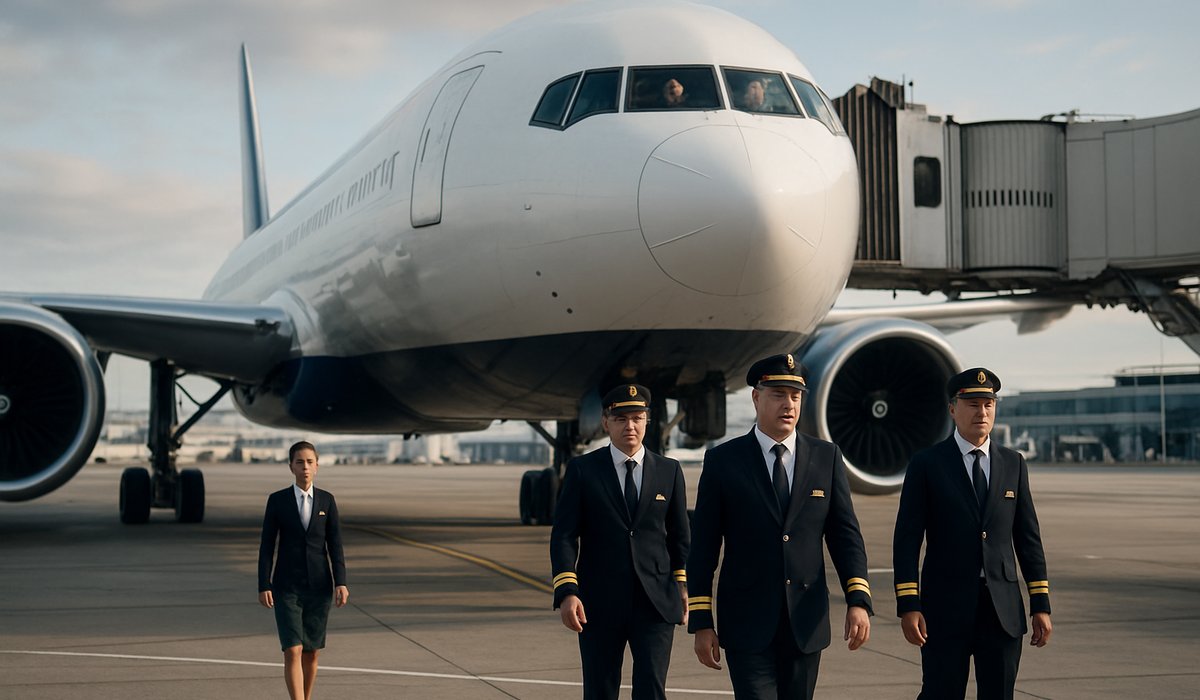
Image generated by AI
Why Ultra-Long-Haul Aviation Still Demands Four Pilots Despite Technological Advances
Regulatory limits on pilot duty cycles remain non-negotiable for the world's longest commercial routes
The Regulatory Reality of Extended Flight Operations
Modern aviation technology has transformed commercial flying in countless ways, yet one fundamental requirement persists across the industry: ultra-long-haul flights spanning 17 to 18 hours cannot operate with fewer than four pilots in the cockpit. This regulatory mandate reflects not technological limitations but rather strict fatigue protocols designed to safeguard passenger safety on the world's most demanding routes.
Under the Federal Aviation Administration's Part 117 regulations, individual pilots face a hard ceiling of eight to nine flight hours per duty cycle. For routes exceeding 17 hours—such as those connecting distant continents—this creates an unavoidable mathematical reality: one pilot cannot complete the journey, two pilots cannot sustain the required rest intervals, and three pilots cannot meet fatigue mitigation standards. The solution: four qualified crew members sharing cockpit responsibilities throughout extended operations.
How the Four-Pilot System Functions
The four-pilot configuration operates through a carefully orchestrated rotation system. While two pilots occupy the flight deck during active phases, the remaining crew members rest in designated facilities, typically concealed behind the main cabin. This arrangement ensures continuous compliance with fatigue regulations while maintaining the operational continuity essential for 17-to-18-hour missions.
Airlines operating routes like Singapore-to-Newark or Melbourne-to-London depend entirely on this framework. The second crew pair provides the mandatory rest opportunity, preventing the deterioration of cognitive function and situational awareness that naturally accompanies extended duty periods. Even with advanced fly-by-wire systems and sophisticated autopilot capabilities, regulators recognize that human fatigue poses irreducible safety risks on extended routes.
The Regulatory Foundation
These requirements emerged from decades of aviation safety research demonstrating conclusively that pilot fatigue correlates directly with operational errors and safety incidents. The FAA's Part 117 framework, refined through multiple regulatory cycles, establishes science-based duty-time limitations that prioritize human physiology over operational convenience.
Airlines cannot circumvent these requirements through technological means alone. The presence of advanced autopilot systems or fly-by-wire architecture may reduce workload during cruise phases, but regulations recognize that takeoff, landing, and emergency response procedures demand alert, well-rested pilots. No automation can fully eliminate the need for human judgment during critical flight phases on ultra-long-haul missions.
Industry Compliance and Safety Standards
The four-pilot mandate reflects aviation's safety-first culture. While this requirement increases operational costs for carriers operating ultra-long-haul services—including additional crew training, certification, and compensation—the investment remains non-negotiable. Passengers boarding these extended flights benefit from crews operating within fatigue limits established through rigorous safety analysis.
As aircraft technology continues advancing, regulatory frameworks will likely evolve. However, current evidence suggests that human fatigue management will remain central to aviation safety protocols for the foreseeable future, particularly on routes pushing the boundaries of human endurance.
Frequently Asked Questions
Why can't two pilots operate ultra-long-haul flights with alternating rest periods? Federal regulations limit pilot duty cycles to 8-9 hours per day, making it mathematically impossible for two pilots to complete 17-18 hour missions while maintaining required rest intervals and safety standards.
Do all long-haul flights require four pilots? No. Only ultra-long-haul missions exceeding 17 hours require four pilots. Standard long-haul flights (12-16 hours) operate with two pilots and may include additional crew for rest purposes depending on specific routing.
How much do extra pilots add to airline operating costs? Four-pilot requirements increase labor, training, and certification expenses significantly. However, airlines operating ultra-long-haul routes factor these costs into pricing and route viability assessments.
Could advanced autopilot systems eliminate the four-pilot requirement? Current regulations consider autopilot a workload-reduction tool rather than a replacement for human oversight. Critical phases like takeoff and landing still require alert, well-rested pilots, making fatigue management essential.
Which airlines operate the most ultra-long-haul routes requiring four pilots? Major carriers including Singapore Airlines, Qantas, United Airlines, and Emirates operate numerous routes exceeding 17 hours, all requiring four-pilot configurations compliant with FAA and international regulations.
Related Travel Guides
External Resources
Disclaimer
This article is for informational and educational purposes only. It does not constitute legal, financial, or professional advice. While we strive to provide accurate and up-to-date information, travel policies, regulations, and conditions change rapidly. Always verify information with official sources before making travel decisions. Nomad Lawyer makes no representations about the accuracy, reliability, completeness, or suitability of the information provided. Readers should consult qualified professionals for advice specific to their circumstances. The views expressed in this article are those of the author and do not necessarily reflect the views of Nomad Lawyer.
Preeti Gunjan
Contributor & Community Manager
A passionate traveller and community builder. Preeti helps grow the Nomad Lawyer community, fostering engagement and bringing the reader experience to life.
Learn more about our team →