
Malaysia Expands East: Direct Chongqing-Kota Kinabalu Route Unlocks China Access
Malaysia's expansion into East Malaysia reaches a milestone as new direct flights from Chongqing connect inland Chinese travelers to Kota Kinabalu in 2026. This strategic route opens unprecedented access to Sabah's tourism and business sectors.

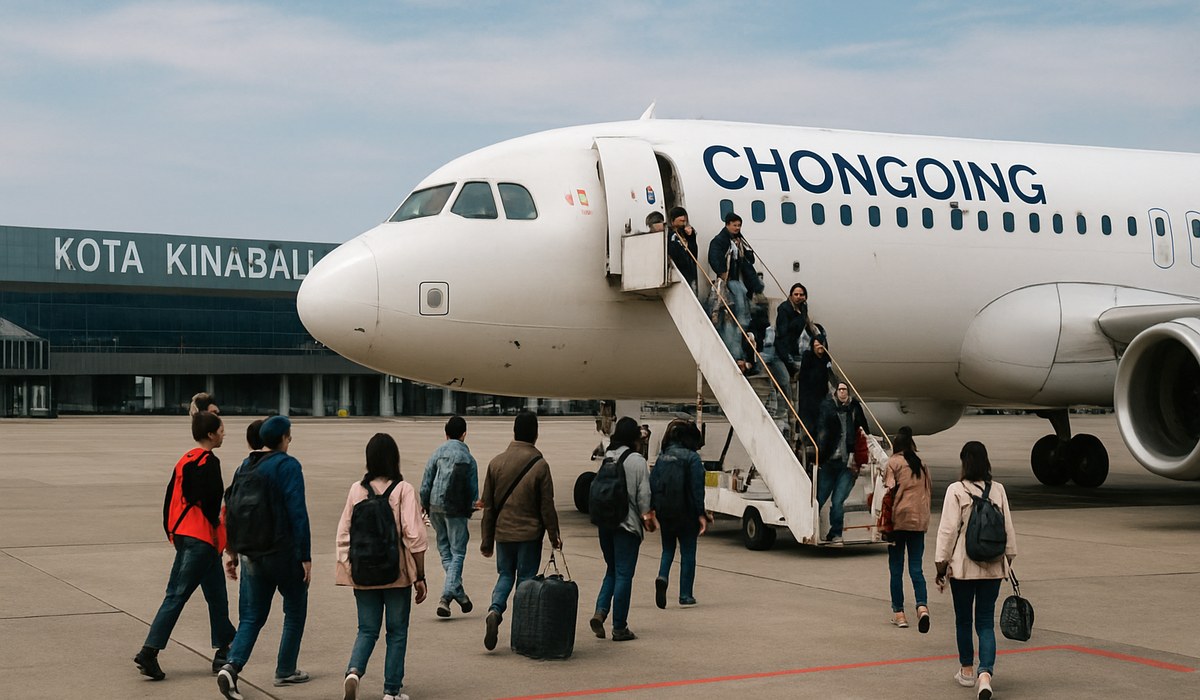
Image generated by AI
Malaysia Opens Gateway to Inland China With Chongqing Direct Service
Malaysia's aviation sector is welcoming a transformative development this March as a newly established direct flight corridor between Chongqing and Kota Kinabalu (BKI) launches operations. This strategic route represents a significant expansion of East Malaysia's international connectivity, particularly targeting the underserved inland Chinese market.
The service addresses a critical gap in regional travel infrastructure, enabling travelers from China's southwestern region to access Sabah's tourism and business opportunities without routing through established hub airports. Industry analysts project this development will stimulate economic activity across hospitality, retail, and convention sectors throughout East Malaysia.
Route Launch Details and Service Parameters
The Chongqing (CKG) to Kota Kinabalu (BKI) corridor commenced operations in March 2026, marking Malaysia's deliberate strategy to capture growing outbound tourism from China's interior provinces. Prior to this route launch, travelers from the Chongqing metropolitan area—home to over 35 million residents—required multiple-stop itineraries or connections through conventional hub airports.
Route specifications:
- Departure hub: Chongqing Jiangbei International Airport (CKG)
- Destination: Kota Kinabalu International Airport (BKI)
- Service frequency: Daily operations (subject to seasonal adjustments)
- Flight duration: Approximately 3.5 hours
- Aircraft deployment: Modern, fuel-efficient narrowbody fleet
- Expected annual capacity: 150,000+ passengers
The flight schedule accommodates business travelers requiring morning arrivals and leisure tourists seeking afternoon/evening departures, maximizing operational flexibility and market appeal.
Airline Operations and Service Providers
Multiple carriers have positioned themselves within this newly unlocked market corridor. Established Malaysian airlines are leveraging their domestic network expertise to integrate this international service, while strategic partners from China are establishing codeshare arrangements to maximize reach into tier-two and tier-three Chinese markets.
Airlines participating in this expansion are implementing competitive pricing strategies to stimulate demand during the launch phase, with introductory fares targeting both leisure and business segments. Enhanced ground services, including multilingual support and streamlined immigration processing, are being prioritized to ensure smooth passenger experiences.
Economic Impact and Market Projections
Aviation authorities estimate this single route will generate approximately $45-60 million in annual economic activity across Sabah. Tourism boards project 20-30% growth in mainland Chinese visitor arrivals to Kota Kinabalu during the first operational year.
Anticipated benefits:
- Direct employment opportunities in airport services and hospitality sectors
- Increased hotel occupancy and restaurant revenue
- Enhanced retail spending from high-spending Chinese tourists
- Business travel stimulus between Chongqing and Sabah's manufacturing sectors
- Cultural exchange initiatives between southwestern China and East Malaysia
Regional Connectivity Expansion
This route represents phase one of Malaysia's broader initiative to strengthen connections between inland Chinese metropolitan areas and East Malaysia's under-utilized tourism infrastructure. Kota Kinabalu serves as a gateway to Mount Kinabalu, pristine beaches, and indigenous cultural experiences that appeal directly to Chinese market preferences.
The expansion strategy acknowledges demographic trends showing 300+ million potential travelers within a 2,000-kilometer radius of Chongqing, many with increasing disposable income and travel aspirations. By establishing direct access, Malaysia positions itself advantageously against regional competitors in Thailand, Indonesia, and Vietnam.
Passenger Experience Enhancements
Airports and airlines have invested substantially in passenger facilitation infrastructure:
- Pre-clearance customs facilities at Chongqing for outbound Malaysian passengers
- Dedicated check-in counters and boarding gates
- Real-time baggage tracking between both airports
- Tourist information desks staffed with Mandarin-speaking specialists
- Seamless ground transport connections to Sabah tourism destinations
Traveler Action Checklist
- Book early – Secure preferred seats and introductory fares during the launch promotional period through airline websites or major OTA platforms
- Verify documentation – Ensure passports have minimum 6-month validity and check current Malaysian visa requirements for Chinese nationals
- Check baggage policies – Confirm allowances specific to your airline and any special equipment requirements for adventure tourism activities
- Arrange ground transport – Pre-book hotel transfers, car rentals, or guided tour services through established Kota Kinabalu operators
- Review travel insurance – Select comprehensive coverage that includes medical evacuation (relevant for Mount Kinabalu trekking) and trip disruption protection
- Monitor flight status – Use FlightAware for real-time departure/arrival information and potential disruptions
- Understand passenger rights – Familiarize yourself with IATA standards and airline-specific compensation policies for delays
- Plan connectivity – Arrange onward domestic flights to other East Malaysian destinations (Sandakan, Lahad Datu) through connecting partnerships
Competitive Landscape and Regional Impact
This route launch intensifies competition within Southeast Asia's China-linked aviation market. Thailand's established hub infrastructure and Indonesia's Bali dominance have captured the majority of Chinese outbound leisure traffic. Malaysia's East Malaysia expansion represents a differentiation strategy emphasizing nature-based tourism and cultural authenticity.
Regional airlines anticipate increased competition on proximate routes, potentially stimulating price competitiveness across the broader Chongqing-Southeast Asia market segment.
Frequency and Seasonal Considerations
Initial daily service may adjust seasonally based on demand fluctuations. Chinese travel patterns show peak outbound activity during:
- Chinese New Year period (January-February)
- Summer vacation months (July-August)
- Mid-autumn festivals (September-October)
Airlines are expected to implement dynamic scheduling that aligns with these cultural travel peaks while maintaining year-round connectivity.
Frequently Asked Questions
Q: What are typical airfare ranges for this route? A: Launch-phase fares range from $120-250 USD round-trip, with premium cabin options starting at $400-600. Post-promotional fares typically settle in the $200-350 range based on competitive market dynamics.
Q: Is visa-free entry available for Chinese nationals visiting Malaysia? A: Malaysia's current visa policy requires pre-arranged visas for mainland Chinese citizens, available through Malaysian embassies/consulates or approved visa agencies. Processing typically requires 5-7 business days.
Q: What attractions are accessible from Kota Kinabalu? A: Primary draws include Mount Kinabalu (UNESCO World Heritage site, 2-3 day trekking expeditions), Sepilok Orangutan Rehabilitation Centre, marine sanctuaries, white-sand beaches, and indigenous Kadazandusun cultural experiences.
Q: Are there onward connections to other Malaysian destinations? A: Yes, Malaysian carriers operate extensive domestic networks connecting Kota Kinabalu to Kuala Lumpur, Penang, and other East Malaysian cities, enabling multi-destination itineraries.
Q: What's the best time to visit Kota Kinabalu? A: The dry season (March-May, September-November) offers optimal weather conditions. The route launch timing in March positions travelers favorably for shoulder-season travel advantages.
Travel Resources and Support
For comprehensive passenger rights information and airline contact details, reference the U.S. Department of Transportation's consumer advocacy resources, which maintain international airline contact databases and dispute resolution protocols.
The Malaysia Tourism Board maintains updated destination information, accommodation directories, and activity booking platforms accessible to international visitors planning Kota Kinabalu itineraries.
Last Updated: March 27, 2026 | Next Review: April 2026
Disclaimer
This article is for informational and educational purposes only. It does not constitute legal, financial, or professional advice. While we strive to provide accurate and up-to-date information, travel policies, regulations, and conditions change rapidly. Always verify information with official sources before making travel decisions. Nomad Lawyer makes no representations about the accuracy, reliability, completeness, or suitability of the information provided. Readers should consult qualified professionals for advice specific to their circumstances. The views expressed in this article are those of the author and do not necessarily reflect the views of Nomad Lawyer.
Kunal K Choudhary
Co-Founder & Contributor
A passionate traveller and tech enthusiast. Kunal contributes to the vision and growth of Nomad Lawyer, bringing fresh perspectives and driving the community forward.
Learn more about our team →