
Wave Flight Disruptions Hit US Airports April 11: 1,700+ Delays Reported
Wave flight disruptions impacted major US airports on April 11, 2026, with 79 cancellations and over 1,700 delays across carriers like Delta and United. Storms and operational strain created widespread travel chaos.

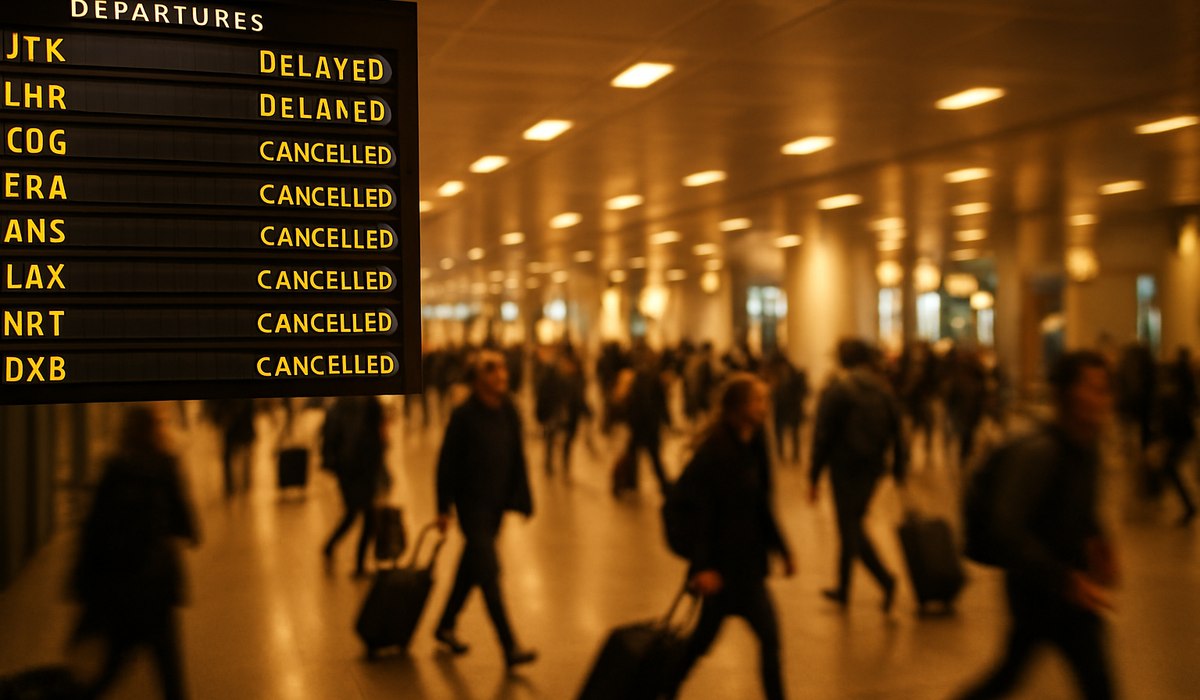
Image generated by AI
Weekend Travel Chaos: Wave Flight Disruptions Snarl US Aviation Network
Weekend travelers across the United States faced significant disruptions on April 11, 2026, as wave flight disruptions triggered by severe weather and operational strain cascaded through major hubs. The day saw 79 flight cancellations and approximately 1,700 delays affecting carriers including Delta Air Lines, United Airlines, and Spirit Airlines. Impacts centered on key gateways—Chicago, Atlanta, New York, Los Angeles, and St. Louis—disrupting both domestic and international connections. For passengers, the result was extended waits, missed connections, and frustration across crowded terminals nationwide.
Nationwide Delays Mount Across Major Hubs
The scale of April 11's disruptions underscored an aviation system operating under significant strain. Industry tracking data revealed a broad pattern affecting multiple carriers simultaneously, with delays rippling throughout the day as aircraft and crews fell progressively behind schedule. This wasn't an isolated incident but rather a clustered event that created compounding recovery challenges for airlines scrambling to reposition resources.
Dallas Fort Worth International Airport reported approximately 197 affected flights, while Phoenix Sky Harbor documented around 163 delayed departures and arrivals. These numbers illustrate how wave flight disruptions at major hub airports extend far beyond local passengers—aircraft scheduled for seemingly unrelated routes across the network become entangled in cascading delays.
For real-time updates on specific flight impacts, FlightAware provided comprehensive tracking throughout the disruption period. The Federal Aviation Administration's official website offered operational updates and ground stop information as conditions evolved.
Storm Impact and Operational Strain Converge
Severe weather served as the primary trigger for April 11's wave flight disruptions. San Francisco International Airport initiated a ground stop shortly after 5 p.m. Pacific time as thunderstorms brought heavy rain and gusty winds, creating average delays approaching one hour for both arrivals and departures. Some passengers faced potential wait times extending toward two and a half hours as operations gradually resumed.
Northern California's disruptions highlighted the vulnerability of transcontinental and transpacific traffic routes dependent on West Coast gateways. Even short-duration ground stops create network-wide domino effects when they impact major international hubs.
Beyond California, unsettled weather patterns across the Southwest and central United States compounded operational challenges. Phoenix and Dallas–Fort Worth airports bore the brunt of these conditions, experiencing holding patterns and flow restrictions that disproportionately affected departure timing. The unpredictability meant some flights departed near-schedule while others, just minutes apart in the schedule, faced extended holds—creating passenger frustration about connection viability.
Ripple Effects and Recovery Challenges
Wave flight disruptions of this magnitude create prolonged recovery periods extending well beyond the initial disruption window. Airlines must reposition aircraft, reassign crews, and resolve passenger cascades—a process complicated when multiple carriers face similar bottlenecks simultaneously.
April 11's disruptions represented part of a broader elevated-disruption period in early April, with successive days of above-average delays at multiple airports. Aviation analysts note that these clustered events strain airline recovery capacity, potentially extending service impacts for 24–48 hours after initial weather or operational triggers clear.
Passengers experienced the tangible consequences: missed international connections, last-minute rebookings onto flights days later, and extended waits in terminals. Travel forums and social media documented growing frustration among spring travelers who had anticipated routine weekend flying. The Department of Transportation tracks such incidents to monitor airline performance—check US DOT's Airline Consumer Protection guidance for passenger rights during disruptions.
What This Means for Travelers
Wave flight disruptions like April 11's event underscore essential preparation strategies for spring and summer travel:
-
Monitor forecasts actively: Check weather patterns 3–5 days before travel. Storm systems developing across the central or western US frequently trigger network-wide disruptions.
-
Book earlier flights when possible: Morning departures experience fewer cascading delays, as the day's disruptions haven't yet accumulated.
-
Allow generous connection time: Minimum connections of 2–3 hours protect against missed flights during disruption days.
-
Enable flight alerts: Set notifications through your airline app and FlightAware to receive immediate updates on cancellations or delays.
-
Know your rebooking rights: US carriers must rebook passengers on the next available flight at no additional charge during weather-related disruptions.
-
Arrive early for check-in: Crowded terminals during disruptions create security line backlogs; arriving 3 hours early for domestic flights provides buffer time.
-
Document everything: Retain booking confirmations, receipts, and disruption notices; some carriers offer compensation for extended delays under specific conditions.
Frequently Asked Questions
What caused the April 11 wave flight disruptions? Severe thunderstorms across California, the Southwest, and central United States triggered ground stops and flow restrictions. San Francisco International Airport's evening ground stop, combined with weather delays in Phoenix and Dallas–Fort Worth, created a cascade of interconnected delays affecting carriers nationwide.
How many flights were affected on April 11, 2026? Approximately 79 flights faced cancellation, while over 1,700 experienced delays. Impact concentrated on Delta, United, Spirit, and regional carriers operating through Chicago, Atlanta, New York, Los Angeles, and St. Louis hubs.
How long did the disruptions last? Ground stops lasted 1–2 hours, but cascading delays extended throughout the evening and into the following morning as aircraft and crews worked to restore normal operations.
What should I do if my flight was cancelled or heavily delayed? Contact your airline immediately for rebooking options. For delays exceeding 3 hours, document all expenses (meals, hotels, transportation) and consult the US DOT's passenger rights page regarding potential compensation eligibility.
Key Data Summary
| Metric | Details |
|---|---|
| Total Cancellations | 79 flights |
| Total Delays | 1,700+ flights |
| Primary Weather Trigger | Thunderstorms (California, Southwest, Central US) |
| Most Impacted Hubs | San Francisco, Phoenix, Dallas–Fort Worth, Chicago, Atlanta |
| Affected Carriers | Delta, United, Spirit, regional operators |
| SFO Ground Stop Duration | ~1–2 hours (5 p.m. PT) |
| DFW Affected Flights | ~197 flights |
| PHX Affected Flights | ~163 flights |
Related Travel Guides
Explore additional resources on managing travel disruptions:
- Spring Travel Planning: Avoiding Peak Disruption Times
- Airline Passenger Rights During Flight Cancellations and Delays
- US Airport Security and Connection Time Recommendations
Disclaimer
This article synthesizes publicly available flight tracking data, weather reports, and industry coverage from April 11–12, 2026. Specific figures reflect data aggregated by FlightAware, FAA advisories available on faa.gov, and passenger rights information from the Department of Transportation. For the most current flight status, consult your airline directly or access real-time tracking through official airline apps and Fl
Disclaimer
This article is for informational and educational purposes only. It does not constitute legal, financial, or professional advice. While we strive to provide accurate and up-to-date information, travel policies, regulations, and conditions change rapidly. Always verify information with official sources before making travel decisions. Nomad Lawyer makes no representations about the accuracy, reliability, completeness, or suitability of the information provided. Readers should consult qualified professionals for advice specific to their circumstances. The views expressed in this article are those of the author and do not necessarily reflect the views of Nomad Lawyer.
Raushan Kumar
Founder & Lead Developer
Full-stack developer with 11+ years of experience and a passionate traveller. Raushan built Nomad Lawyer from the ground up with a vision to create the best travel and law experience on the web.
Learn more about our team →