
Washington Dulles International Airport And United Airlines Unveil $20 Billion Mega Transformation To Create Next-Generation Global Travel Hub By 2026
Washington Dulles International Airport and United Airlines launch a $20 billion redevelopment to modernize terminals, concourses, and passenger systems, creating a next-generation global aviation hub.

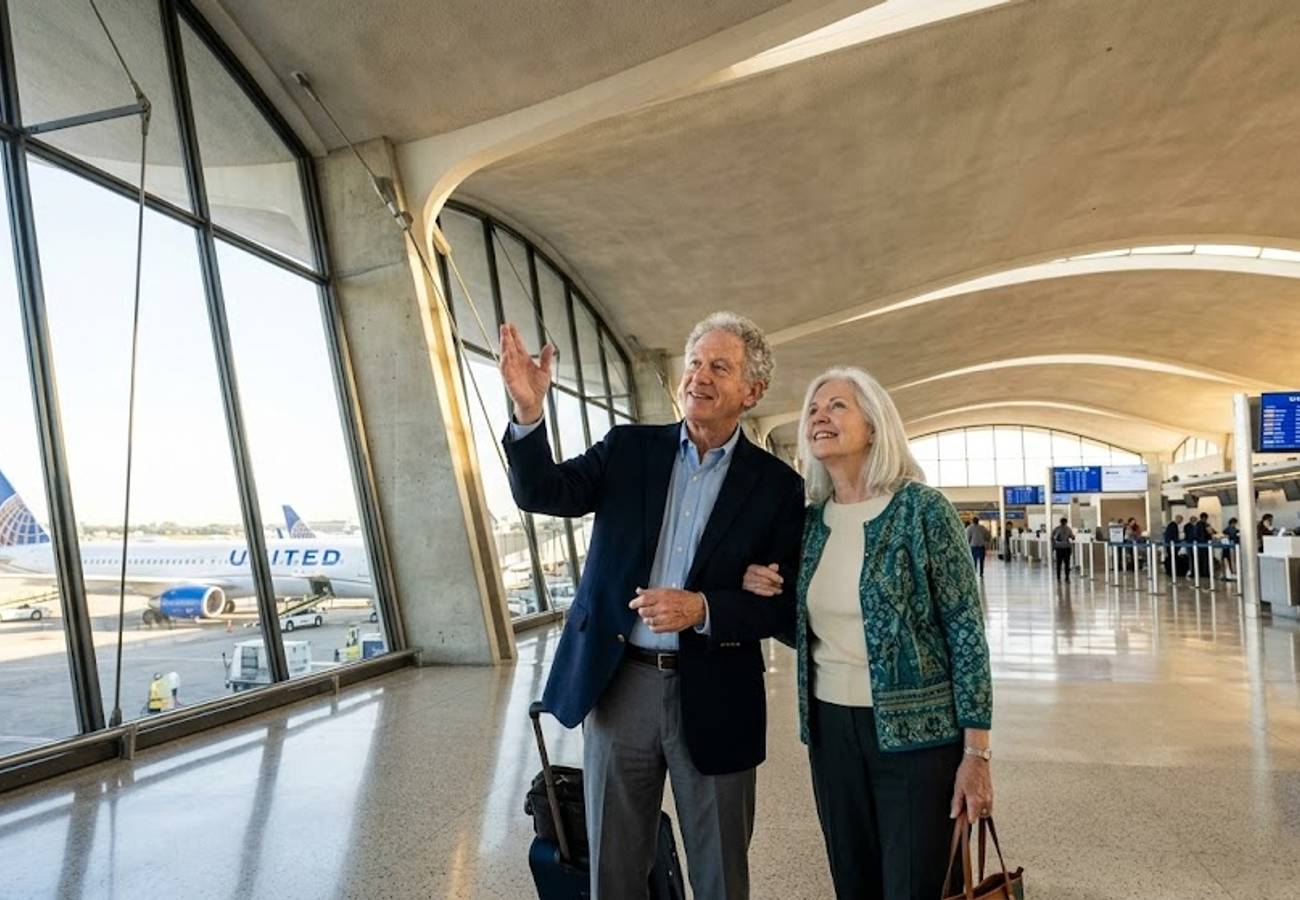
Image generated by AI
[Washington Dulles, July 30] A capital investment programme exceeding $20 billion is set to fundamentally reshape Washington Dulles International Airport, with the Metropolitan Washington Airports Authority, United Airlines, and government transportation authorities collaborating on one of the largest airport redevelopment projects in United States aviation history. The overhaul will modernize nearly every stage of the passenger journey — from curbside arrival to international baggage claim — while preserving the landmark Main Terminal designed by architect Eero Saarinen.
United Airlines Anchors Long-Term Hub Strategy At Washington Dulles
United Airlines, already the largest carrier operating at Dulles, will play a central role in determining how the redesigned facility takes shape. The airline has spent decades building its presence at the airport, transforming it into a critical gateway for both domestic routes and long-haul international connections spanning North America and beyond.
The redevelopment gives United the physical infrastructure to scale operations further. Plans call for additional gates, expanded lounge facilities — including enhanced United Club spaces and a major United Polaris lounge tailored to long-haul international travelers — and upgraded premium services throughout the terminal complex.
For connecting passengers, the investment translates to shorter transfer times, better boarding environments, and a more seamless link between domestic and international flights. United's involvement signals that Dulles will remain a strategic pillar of the carrier's global network for decades to come, rather than a secondary hub vulnerable to downsizing.
Terminal Expansion Adds Over 5 Million Square Feet Of New Space
The scope of the transformation is staggering in physical terms. More than 5 million square feet of new and renovated airport space will be introduced, covering terminals, concourses, passenger amenities, and ground transportation systems.
Travelers will encounter redesigned entry zones, upgraded parking structures, advanced check-in areas, and modernized security screening checkpoints. Airport authorities expect these changes to reduce wait times and ease congestion during peak travel windows — a persistent pain point for Dulles passengers in recent years.
The interior footprint will also be reworked. Wider walkways, improved inter-concourse connections, and contemporary passenger amenities are designed to create a less stressful, more intuitive environment. For United passengers specifically, the upgraded layout means easier gate access, better boarding areas, and smoother transitions between domestic arrivals and international departures.
Concourse C And D Replacement Marks A Clean Break From The Past
Perhaps the most visible change will be the eventual replacement of the existing C and D Concourse complex — the aging workhorse facilities that currently handle the bulk of United Airlines operations at Dulles. These concourses, long criticized for their limited amenities and cramped layouts, will be retired in favor of modern replacements built to accommodate future airline growth.
The new concourses will feature additional gates, expanded seating areas, dedicated work zones, upgraded boarding technology, and a broader selection of food and retail tenants. The design philosophy shifts from minimal functionality to passenger comfort — a recognition that modern hub airports must compete on experience, not just capacity.
A new Concourse E will serve as an early milestone in the broader transformation. This facility will add United gates, provide direct connections to the airport's AeroTrain system, and house enhanced passenger lounges. Concourse E is expected to give United immediate additional capacity for long-distance international flights while the larger concourse replacement program unfolds over subsequent years.
AeroTrain Expansion Phases Out Dulles Mobile Lounge System
A defining feature of the Dulles experience — the mobile lounge vehicles that have ferried passengers between terminals since the airport's earliest days — will gradually be retired. The redevelopment introduces expanded AeroTrain connections, improved pedestrian routes, and a central walking tunnel linking major areas of the airport.
The shift matters operationally and experientially. Mobile lounges, while historically distinctive, have become a bottleneck during high-traffic periods and a source of confusion for first-time visitors. Replacing them with fixed rail and pedestrian infrastructure will reduce transfer times, particularly for United passengers racing to make international connections.
The upgraded design also addresses accessibility. Passengers with reduced mobility, families traveling with young children, and international visitors unfamiliar with the airport layout will benefit from clearer signage, level walkways, and more predictable movement patterns between gates.
International Arrivals And Customs Overhaul Targets Faster Processing
International arrivals at Washington Dulles will receive a major upgrade under the redevelopment plan. A larger, more efficient U.S. Customs facility will be introduced, designed to streamline the entry process for passengers arriving from overseas destinations.
Improved passenger flow, upgraded wayfinding signage, and modernized processing technology are expected to reduce congestion during peak arrival windows — a chronic issue for Dulles, particularly during summer international travel surges. For United Airlines, stronger arrival facilities mean better connection reliability between incoming long-haul flights and onward domestic departures.
Baggage handling will also see technological improvements. New systems are designed to deliver luggage to carousels faster and with greater operational reliability, addressing another frequent traveler complaint at the airport.
Additional restaurants, retail outlets, and premium passenger services will round out the upgraded environment, giving arriving and departing travelers more options during layovers and delays.
$20 Billion Financing Structure Relies On Municipal Bonds
The $20 billion price tag represents a significant escalation from earlier airport improvement plans and signals a long-term institutional commitment to Dulles as a premier international gateway. The investment will be financed through airport funding structures, including municipal bonds, allowing the Metropolitan Washington Airports Authority and airline partners to share the cost burden of large-scale improvements.
This financing model means the transformation will not rely on direct federal appropriations, reducing political risk to the project timeline. However, it also means airline costs — and potentially passenger facility charges — will factor into the long-term repayment structure.
Why This Matters For Travelers And The Aviation Market
For the everyday traveler, the Dulles transformation addresses problems that have frustrated passengers for years: confusing terminal layouts, slow inter-concourse transfers, cramped gate areas, and international arrival bottlenecks. A passenger flying United from London to Washington, then connecting to a domestic flight, should experience noticeably shorter transfer times, clearer signage, and better lounge access once the project reaches completion.
From a competitive standpoint, the investment positions Dulles against other East Coast international hubs — including JFK, Newark, and Atlanta — in the ongoing battle for long-haul route dominance. United's decision to anchor its future at Dulles, rather than concentrating entirely on Newark, gives the Washington region a stronger claim to global aviation relevance.
For the Washington metropolitan area, the economic implications extend beyond the airport perimeter. A modernized international gateway supports business travel, tourism revenue, government logistics, and the region's growing international community. The $20 billion commitment signals that Dulles will not quietly cede market share to rival airports on the Eastern Seaboard.
Project Timeline And Phasing
While the full transformation will unfold over many years, key milestones are already taking shape. Concourse E construction represents the near-term priority, delivering additional United gate capacity and AeroTrain connectivity. The larger C and D Concourse replacement will follow in subsequent phases, with the entire program designed to accommodate incremental capacity increases as passenger demand grows.
Airport authorities and United Airlines have emphasized that the redevelopment will proceed without requiring a full closure of existing facilities — a critical consideration given that Dulles handles continuous daily operations across domestic and international routes.
The $20 billion question is whether Washington Dulles can complete this transformation fast enough to keep pace with passenger demand — or whether rival hubs will capture market share while the construction unfolds.
Related Travel Guides
Disclaimer
This article is for informational and educational purposes only. It does not constitute legal, financial, or professional advice. While we strive to provide accurate and up-to-date information, travel policies, regulations, and conditions change rapidly. Always verify information with official sources before making travel decisions. Nomad Lawyer makes no representations about the accuracy, reliability, completeness, or suitability of the information provided. Readers should consult qualified professionals for advice specific to their circumstances. The views expressed in this article are those of the author and do not necessarily reflect the views of Nomad Lawyer.
Kunal K Choudhary
Co-Founder & Contributor
A passionate traveller and tech enthusiast. Kunal contributes to the vision and growth of Nomad Lawyer, bringing fresh perspectives and driving the community forward.
Learn more about our team →