
Washington Dulles and United Airlines Unveil $20 Billion Hub Expansion
Washington Dulles Airport and United Airlines launch a $20 billion redevelopment program, adding 5 million square feet of terminal space and new concourses.

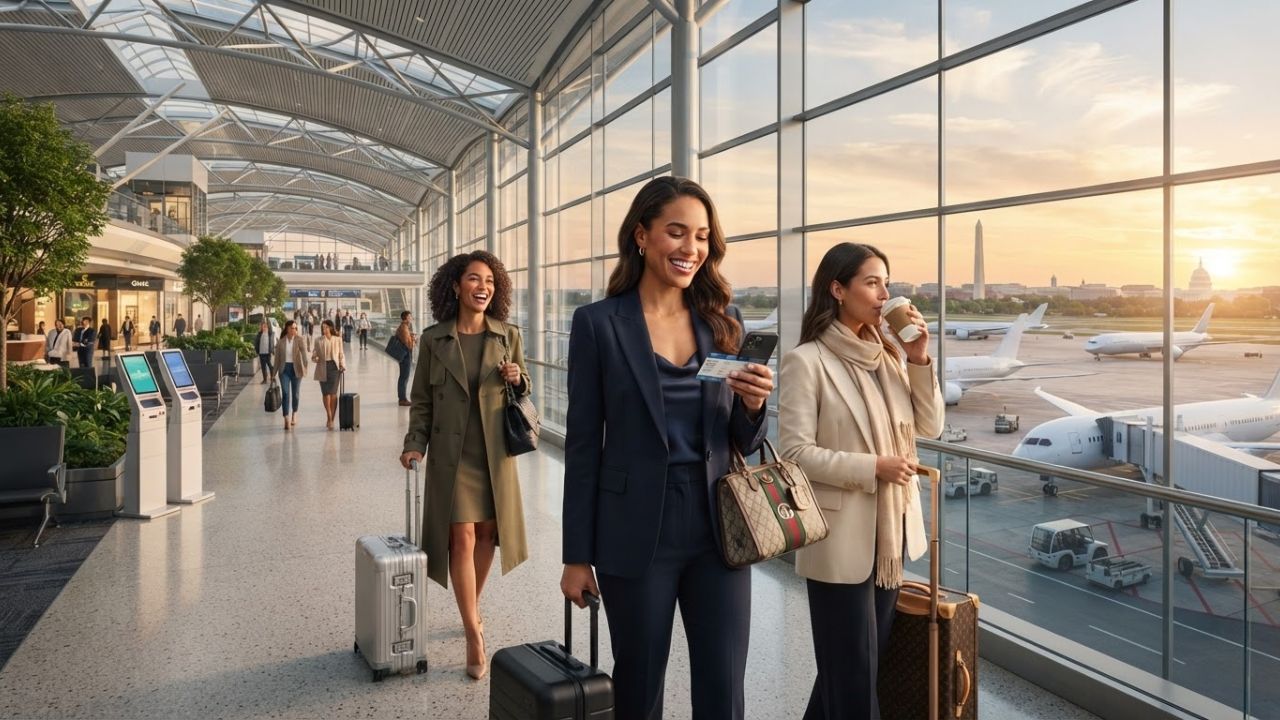
Image generated by AI
Capital investments are transforming East Coast aviation, with the recent Washington Dulles airport United Airlines investment program launching a next-generation hub redevelopment.
[Washington, July 30, 2026] — A major transition in airport infrastructure is taking place in the Mid-Atlantic region as carriers and regional authorities prepare for passenger growth. The Metropolitan Washington Airports Authority and United Airlines have announced a capital development program exceeding $20 billion to upgrade Washington Dulles International Airport (IAD). The project represents one of the largest airport redevelopments in U.S. aviation history, designed to expand terminal space, streamline passenger transport, and support international route networks.
The multi-year program will modernize the travel experience, upgrading entry check-in zones, security checkpoints, concourse gates, and international arrivals. To protect the airport's historic identity, the project will preserve the iconic curves of the Main Terminal, designed by legendary architect Eero Saarinen, while constructing next-generation gates.
Modernizing passenger Flow Across Five Million Square Feet
The capital development program will introduce more than 5 million square feet of new and renovated terminal space. These upgrades are designed to simplify how passengers navigate the airport from arrival to boarding. The project includes:
- Entryway Upgrades: Redesigned check-in counters, self-service baggage drops, and expanded security lanes to reduce wait times.
- Internal Walkways: Wider corridors, improved terminal signage, and integrated concessions to create a more relaxed environment.
- Baggage Tracking: Advanced sorting systems to improve luggage transfer speeds, particularly for international passengers.
- Premium Services: Expanded United Club spaces and a dedicated United Polaris lounge for long-haul business travelers.
Replacing Concourses C and D with Next-Generation Gates
The heart of the program focuses on upgrading the airport's main concourse structures. The current Concourse C and D complex, which has served as United's primary Dulles operations base for decades, will be replaced with modern facilities. These new concourses will feature larger boarding areas, integrated charging options, and expanded retail concessions.
As an early milestone, the airport will construct Concourse E. This facility will feature new gates dedicated to United Airlines, direct access to the airport's transit system, and premium passenger lounges to support international flight frequencies.
AeroTrain Expansion and the Retirement of Mobile Lounges
A primary goal of the redevelopment is improving passenger transport between terminals. The project will expand the AeroTrain network, construct new pedestrian walkways, and build a central walking tunnel to link concourses.
These transport upgrades will allow the airport to phase out its traditional mobile lounge vehicles, the elevated "people movers" that have transported passengers across the tarmac since the airport opened. Replacing these vehicles with rail links will reduce transfer times, particularly for passengers connecting between domestic and international flights.
Redesigning International Customs and Baggage Systems
To support United's global network, the program will expand the U.S. Customs and Border Protection (CBP) arrivals hall. The new arrivals facility is designed to handle larger wide-body aircraft passenger volumes, utilizing biometrics and automated lanes to reduce processing times during peak afternoon arrival banks.
The airport will fund the $20 billion investment through municipal bonds and airline terminal agreements, ensuring that the development does not rely on direct taxpayer funding while building a competitive global gateway.
The tables below outline the development details and concourse changes:
Washington Dulles International Airport Transformation Project Details 2026
| Development Parameter | Program Target Metric | Strategic Customer Value |
|---|---|---|
| Capital Investment | Exceeds $20 billion | Financed through municipal bonds and terminal agreements |
| New & Renovated Space | Over 5 million square feet | Expands check-in, security, and boarding areas |
| Main Terminal Design | Eero Saarinen architecture preserved | Maintains the historic airport identity |
| Premium Upgrades | Expanded United Clubs & Polaris Lounges | Enhances comfort for international business travelers |
Dulles Concourse and Transit Upgrades Summary
| Airport Facility | Current Infrastructure Status | Redevelopment Upgrade Program |
|---|---|---|
| Concourses C & D | Outdated structures (United main base) | Replaced with next-generation concourses |
| Concourse E | Planned early milestone facility | Adds new United gates and lounge space |
| Internal Transport | Mobile lounges (people movers) | Expanded AeroTrain rail links and walking tunnels |
| International Arrivals | Standard customs hall | Larger Customs facility with advanced biometric tech |
Why This Matters
From a legal and logistical standpoint, this creates a more efficient transit hub for passengers connecting on international itineraries. When travelers transit through older concourses, they face delays due to bus transfers, slow baggage connections, and crowded terminal corridors, which can lead to missed international flights. Replacing mobile lounges with automated rail networks ensures that passengers can complete hub transfers in under 20 minutes, protecting schedules.
For the traveler, this means that the Dulles hub will offer the same premium amenities and fast transit lanes found at modern international gateways. Passengers will no longer need to board tarmac buses to reach their planes, creating a seamless terminal experience from check-in to takeoff.
Industry Outlook
Our analysis indicates that major hubs must invest in terminal infrastructure to support wide-body aircraft fleets. As airlines introduce larger twin-aisle jets, airports that rely on bus transfers or narrow gate areas will face operational constraints that limit route growth.
Furthermore, market trends suggest that partnerships between airlines and airport authorities will remain the primary driver of capital development. By aligning airport design with carrier fleet requirements, operators can build flexible gateways that adapt to future aviation technology and passenger trends.
Related: United Airlines Flight UA1559 from Santa Ana Diverted to Cleveland
Related: American Airlines Flight AAL2992 from Dallas Diverted to Charlotte
Related: Boeing 787 GEnx-1B Engine Deliveries Support Airline Network Expansion
Disclaimer
This article is for informational and educational purposes only. It does not constitute legal, financial, or professional advice. While we strive to provide accurate and up-to-date information, travel policies, regulations, and conditions change rapidly. Always verify information with official sources before making travel decisions. Nomad Lawyer makes no representations about the accuracy, reliability, completeness, or suitability of the information provided. Readers should consult qualified professionals for advice specific to their circumstances. The views expressed in this article are those of the author and do not necessarily reflect the views of Nomad Lawyer.
Raushan Kumar
Founder & Lead Developer
Full-stack developer with 11+ years of experience and a passionate traveller. Raushan built Nomad Lawyer from the ground up with a vision to create the best travel and law experience on the web.
Learn more about our team →