
Washington County Travel Surges as $110,300 Tourism Grant Boosts Heritage Attractions and Local Adventures

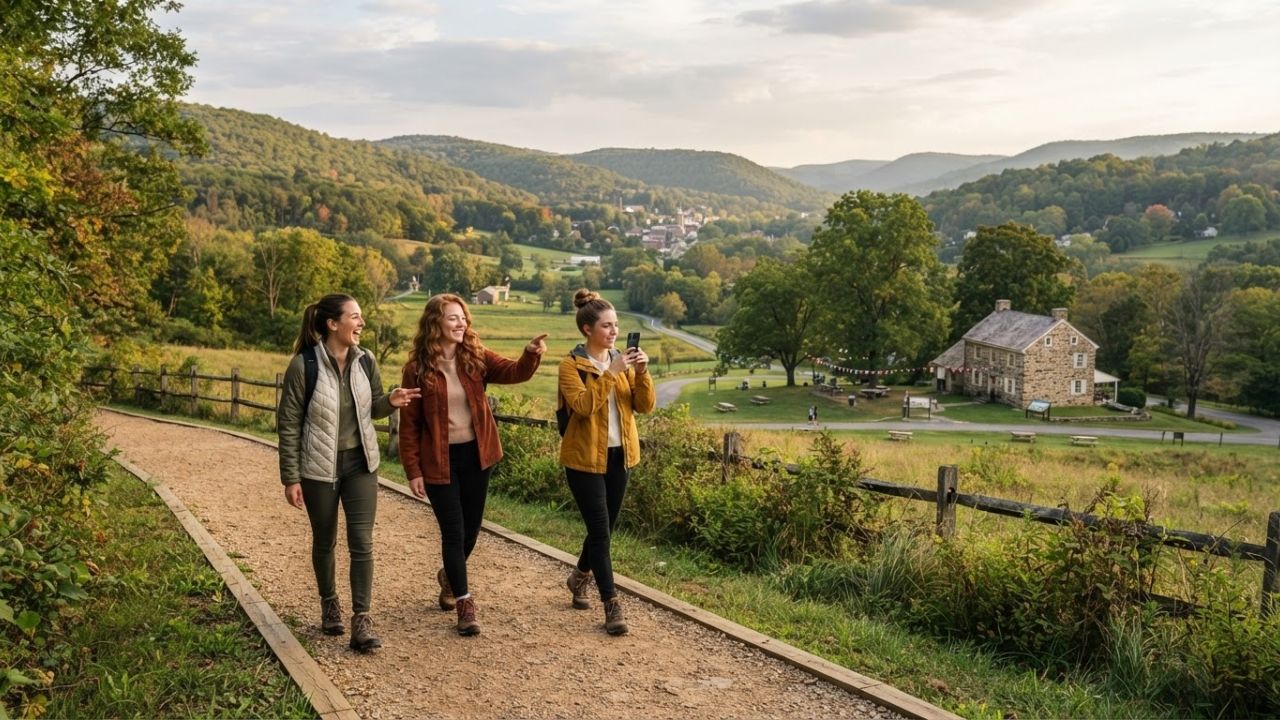
Fueled by a targeted $110,300 strategic tourism grant investment designed to amplify regional visibility and visitor infrastructure, Washington County, Pennsylvania is capturing a surging share of travelers seeking authentic heritage, scenic Appalachian hollows, and historic covered bridge corridors in 2026. As domestic travelers bypass crowded metropolitan centers in favor of community-centered discovery, this targeted funding provides local preservationists and outdoor outfitters with the resources to elevate historic trails, cultural festivals, and rural downtown districts.
The injection of $110,300 into Washington County's visitor ecosystem reflects a broader transformation taking place across American regional tourism. Rather than measuring success purely through commercial amusement parks or generic hotel room capacity, domestic travelers are prioritizing experiential depth: exploring eighteenth-century frontier settlements, cycling converted railway corridors, and patronizing family-run agricultural markets. By directing grant capital directly into grassroots non-profit organizations, historical societies, and event organizers, Washington County is demonstrating how smaller municipal destinations can build resilient, sustainable visitor economies.
Strategic Grant Investments: Expanding Washington County's Regional Footprint
The $110,300 grant program in Washington County represents a carefully orchestrated initiative to support organizations that actively attract travelers, lengthen overnight stays, and enrich the overall travel experience. In an era where domestic travelers are increasingly conscious of value and authenticity, targeted investments help community groups modernize interpretive signage, enhance accessibility, upgrade visitor facilities, and execute focused digital promotional campaigns.
Operating within southwestern Pennsylvania's tourism network, Washington County serves as a vital bridge between the Greater Pittsburgh metropolitan area and the rolling hills of the northern Appalachian plateau. The county's tourism promotion framework recognizes that modern travelers seek multifaceted itineraries that seamlessly weave together outdoor adventure with living history. By strengthening local festivals, seasonal celebrations, and heritage sites, the grant program ensures that traveler spending flows directly into regional diners, boutique bed-and-breakfasts, artisan craft studios, and agricultural farmstands.
| Strategic Focus Area | Grant-Supported Initiative | Regional Visitor Benefit |
|---|---|---|
| Heritage & Historic Preservation | Interpretive signage, museum exhibits, historic structure maintenance | Educational immersion in frontier history, Whiskey Rebellion sites, and covered bridges |
| Outdoor Recreation & Trails | Trailhead amenities, wayfinding, multi-use path connectivity | Expanded access to the Montour Trail, Panhandle Trail, and regional greenways |
| Cultural Events & Festivals | Marketing outreach, community logistics, artisan vendor coordination | High-impact celebrations drawing multi-day visitors to historic boroughs |
| Destination Marketing & Visibility | Digital campaigns, regional media partnerships, visitor guides | Enhanced discovery of rural attractions for weekend explorers and family travelers |
Cultural and Historical Riches: From the Whiskey Rebellion to Covered Bridges
For the visitor, the real impact of Washington County's tourism investment is experienced on the ground through its extraordinary collection of historical landmarks. The region holds a pivotal place in early American history as the epicenter of the 1794 Whiskey Rebellion, the young nation's first major domestic tax insurrection. Travelers can visit the historic Bradford House Museum in downtown Washington—the home of rebellion leader David Bradford—where costumed historians and preserved eighteenth-century architecture bring early frontier politics to life.
Washington County is also renowned for possessing the second-highest concentration of historic covered bridges in Pennsylvania, boasting 23 surviving timber structures that span tranquil creeks and rolling agricultural valleys. Sites like the Ebenezer Covered Bridge in Mingo Creek County Park and the Hughes Covered Bridge attract photographers, cyclists, and heritage enthusiasts year-round. Annual celebrations, such as the Washington & Greene Counties Covered Bridge Festival, transform these historic engineering marvels into vibrant cultural gathering points featuring traditional Appalachian fiddle music, blacksmithing demonstrations, and heritage crafts.
Further distinguishing the destination is the Pennsylvania Trolley Museum, which preserves and operates a living collection of historic streetcars that once connected America's industrial valleys, and the internationally acclaimed Meadowcroft Rockshelter and Historic Village in Avella. Recognized by the National Park Service as a National Historic Landmark and affiliated with the Smithsonian Institution through the Senator John Heinz History Center, Meadowcroft is the oldest authenticated site of human habitation in North America, with archaeological evidence tracing human activity back 19,000 years.
Outdoor Recreation and Sustainable Community Stewardship
Beyond historic structures, Washington County’s visitor appeal is anchored in low-impact outdoor recreation that directly champions ecological stewardship. The county is traversed by premier non-motorized trail networks, including the Montour Trail—a 63-mile converted rail-trail that forms a critical link in the Great American Rail-Trail—and the 29-mile paved Panhandle Trail, connecting Walkers Mill to northern West Virginia.
These greenway corridors invite cyclists, trail runners, and nature photographers to explore forested stream valleys without generating vehicular emissions or degrading sensitive riparian habitats. Along the trails, former coal-mining and industrial hamlets have reinvented themselves into traveler-friendly rest stops where cyclist spending supports independent coffee shops, craft breweries, and bicycle repair co-ops.
The $110,300 grant initiative reinforces this conservation ethic by balancing visitor growth with community well-being. By channeling resources into established parks like Mingo Creek County Park and Cross Creek County Park, county authorities ensure that trail systems and waterways remain pristine, well-maintained, and accessible to travelers of all physical abilities.
Local Visitor Insider Tips: Foliage Drives, Etiquette, and Monongahela Rye
To make the most of an excursion to Washington County, travelers should follow these regional specialist recommendations:
- Optimal Visit Windows: Plan visits during the peak autumn foliage window from late September through late October, when the hardwood forests across the Appalachian foothills turn vibrant shades of amber and crimson, providing breathtaking backdrops for covered bridge driving tours. Alternatively, visit from mid-May through June to experience mild weather, blooming wildflowers along the Montour Trail, and opening weekends at local farmstands.
- Country Road and Trail Etiquette: When exploring rural backroads in search of covered bridges, drive at reduced speeds and yield to local agricultural machinery and horse-drawn buggies. Along the Montour and Panhandle trails, always give an audible signal ("passing on your left") when overtaking pedestrians, keep pets on short leashes, and practice strict "Leave No Trace" principles by packing out all litter.
- Regional Dining Specialties: Experience Western Pennsylvania’s culinary heritage by sampling authentic handmade pierogies stuffed with potatoes, sharp cheddar, or sauerkraut, served with caramelized onions and melted butter. In local smokehouses, savor artisanal smoked kielbasa and freshly baked salt-rising bread. Raise a glass of Monongahela rye whiskey—the historic, spicy grain spirit that sparked the Whiskey Rebellion—produced by independent regional craft distilleries reviving eighteenth-century copper-pot distillation methods.
- Hidden Gems: Venture off the main highway to explore the quiet trails of Enlow Fork Natural Area, a biological jewel renowned for spring wildflower blooms and migrating songbirds. In Canonsburg, visit the bronze statue honoring hometown musical icon Perry Como, and explore the historic S bridge near Washington, one of the few surviving stone bridges along the original National Road (U.S. Route 40).
A Three-Day Washington County Heritage and Trail Itinerary
For weekend travelers departing Pittsburgh, Cleveland, or Baltimore, this three-day itinerary combines living history, outdoor recreation, and local dining:
- Day 1: Historic Washington and Frontier Rebellion. Begin in downtown Washington with a morning guided tour of the Bradford House Museum and the neighboring 175-year-old LeMoyne House, Pennsylvania's first accredited Underground Railroad site. Enjoy lunch at a local farm-to-table bistro along Main Street, then spend the afternoon riding historic electric streetcars at the Pennsylvania Trolley Museum. Finish with dinner and a craft whiskey tasting in Washington.
- Day 2: Covered Bridges and Mingo Creek Nature. Dedicate the morning to a scenic driving tour of historic covered bridges, stopping at the Ebenezer and Henry covered bridges in Mingo Creek County Park. Rent a bicycle or hike along the shaded paved pathways, pack a picnic lunch featuring local cheeses and apples, and spend the afternoon visiting an artisan farm winery or craft brewery in rural Eighty Four.
- Day 3: Deep Archaeology and Rail-Trail Cycling. Travel west to Avella to tour the Meadowcroft Rockshelter, marveling at the ancient rock overhang that sheltered prehistoric hunter-gatherers nineteen millennia ago. After exploring the 1800s rural village and 16th-century Eastern Woodland Indian camp, head to the Panhandle Trail trailhead in Burgettstown for an afternoon bike ride through peaceful countryside before heading home.
Tourism Outlook: Long-Term Momentum for Community-Driven Travel
The $110,300 tourism grant allocation in Washington County underscores a fundamental truth in contemporary travel: destinations that invest in their unique cultural identity, authentic heritage assets, and community recreation thrive in the modern visitor economy.
By fostering close collaboration between municipal leaders, historical custodians, and local business owners, Washington County is ensuring that its tourism sector expands sustainably. As more travelers seek out restful, meaningful journeys grounded in real stories and unspoiled countryside, this historic Pennsylvania destination stands ready to offer an enriching, unforgettable escape.
Related Travel Guides
- County Tourism Grants: Destination Marketing and Historic Preservation Across US Regions
- Municipal Tourism Hotel Tax Grants: Roseburg and Oak Harbor Destination Funding 2026
- Johnston County Tourism Visitor Spending Reaches $337 Million in Culinary Travel Growth
- Northeast Tennessee Appalachian Tourism Reaches Billion-Dollar Milestone in Regional Growth
Disclaimer
This article is for informational and educational purposes only. It does not constitute legal, financial, or professional advice. While we strive to provide accurate and up-to-date information, travel policies, regulations, and conditions change rapidly. Always verify information with official sources before making travel decisions. Nomad Lawyer makes no representations about the accuracy, reliability, completeness, or suitability of the information provided. Readers should consult qualified professionals for advice specific to their circumstances. The views expressed in this article are those of the author and do not necessarily reflect the views of Nomad Lawyer.
Raushan Kumar
Founder & Lead Developer
Full-stack developer with 11+ years of experience and a passionate traveller. Raushan built Nomad Lawyer from the ground up with a vision to create the best travel and law experience on the web.
Learn more about our team →