
Georgia Showcases Iconic Hiking Trails for Global Adventure Explorers in 2026
Georgia strengthens its position as an emerging adventure hub in 2026, launching a curated hiking trail network across the Caucasus mountains. The initiative targets global trekkers with routes spanning beginner forests to expert alpine expeditions.

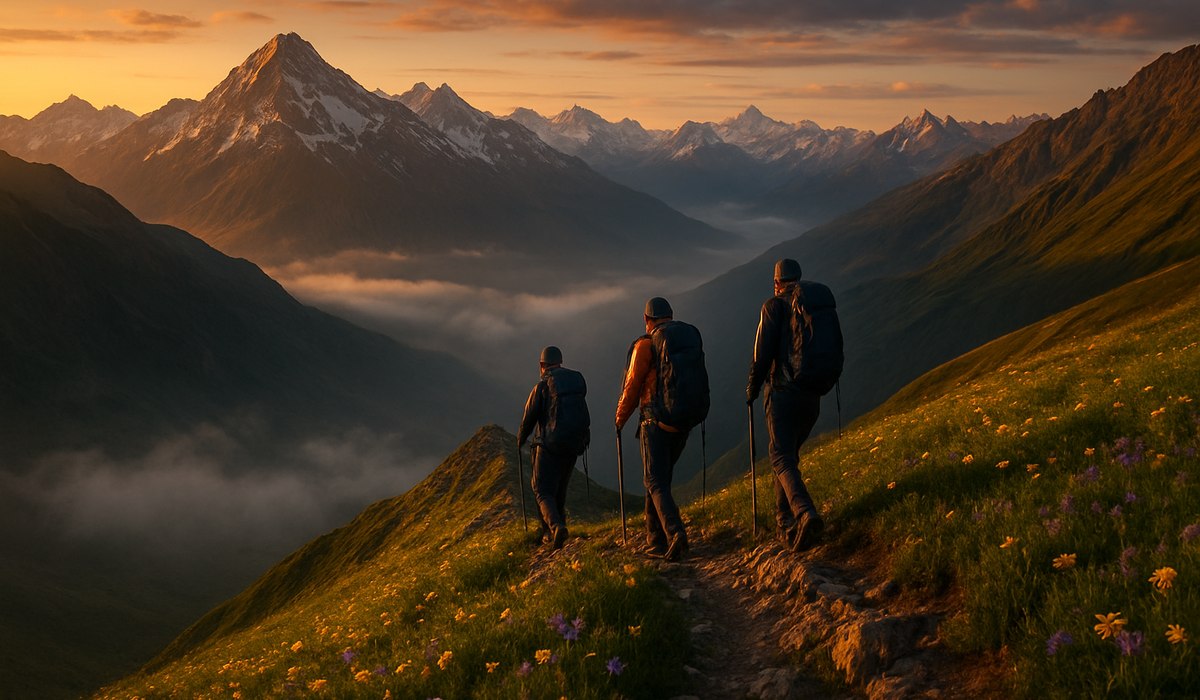
Image generated by AI
Georgia Positions Itself as Premier Adventure Destination
Georgia is accelerating its emergence as a world-class adventure tourism destination, unveiling an expanded network of curated hiking trails throughout the Caucasus mountain region. The strategic initiative offers international travellers an unprecedented range of trekking experiences—from gentle forest walks to technically demanding multi-day alpine crossings. This positioning targets experienced hikers and leisure adventurers alike, establishing Georgia as a competitive alternative to established European hiking destinations. The trails span iconic regions including Svaneti, Khevsureti, and Kazbegi, each offering distinct geological and cultural characteristics that enhance the overall trekking experience.
Georgia's Emerging Adventure Tourism Strategy
The Georgian government and private tourism operators have collaborated to develop a comprehensive trail infrastructure designed specifically for international visitors. This strategy reflects growing recognition of adventure tourism's economic potential, with hiking and mountaineering activities generating substantial revenue while promoting sustainable travel practices. The curated trail network emphasizes environmental conservation, community engagement, and safety standards aligned with international hiking best practices.
The initiative addresses previous infrastructure gaps, including improved trail signage, waymarking systems, and designated camping facilities. Local guides have received specialized training through international certification programs, ensuring visitors receive world-standard services. This investment in infrastructure demonstrates Georgia's commitment to establishing itself as a serious contender in the global adventure travel market.
Signature Hiking Routes Across Svaneti and Khevsureti
Svaneti's iconic towers and alpine meadows define some of Georgia's most visually striking trekking experiences. The Mestia-to-Ushguli circuit presents a challenging four-day expedition through glaciated peaks and isolated villages, offering hikers authentic encounters with Caucasian mountain culture. Technical rock sections demand climbing experience, making this route suitable for advanced adventurers.
Khevsureti represents a culturally immersive hiking destination where ancient fortified towers punctuate dramatic mountain landscapes. The Tusheti-Khevsureti traverse connects remote highland valleys, presenting intermediate-level hikers with eight-day expeditions featuring river crossings and high-altitude camp experiences. These routes attract heritage-focused travellers interested in combining physical activity with archaeological and anthropological exploration.
Additional signature routes include the Svaneti Ring Trail, a seven-day moderate trek featuring alpine lakes and panoramic ridge walks, and the Kazbegi Peak ascent, a technically straightforward two-day climb delivering stunning views across the greater Caucasus range.
What Makes Georgia's Trails Unique for Global Travellers
Georgia showcases iconic hiking experiences through several distinctive advantages that differentiate its offerings from competing destinations. The combination of dramatic altitude variation—ranging from 1,200 meters to 5,193-meter peaks—creates diverse ecological zones within relatively compact geographical areas. Hikers encounter Mediterranean vegetation transitioning to alpine tundra within single expeditions, providing remarkable biodiversity within efficient travel itineraries.
Cultural authenticity represents another compelling factor. Many trails pass through inhabited mountain communities where traditional lifestyles persist, enabling hikers to engage with local cultures while generating economic benefits for remote populations. This authentic encounter contrasts with heavily commercialized European hiking destinations where indigenous communities have largely retreated from traditional mountain economies.
Cost-effectiveness advantages attract budget-conscious international adventurers. Guide services, accommodation, and logistical support cost significantly less than comparable alpine experiences in Western Europe, Switzerland, or North America. This pricing advantage expands access to high-quality mountain experiences for global middle-income travellers.
Climate stability and extended hiking seasons provide additional competitive benefits. The Caucasus region experiences predictable weather patterns with extended summer conditions, allowing hikers to undertake expeditions across broader timeframes than Alpine regions with shorter climbing windows.
Infrastructure and Access for International Hikers
Recent infrastructure investments substantially enhance accessibility for overseas visitors. Tbilisi International Airport serves as the primary gateway, with direct connections to major European and Middle Eastern hubs. Ground transportation networks have improved considerably, with modern marshrutka shared minibuses and private hire services connecting Tbilisi to trail head regions within 4-8 hours.
Accommodation infrastructure spans from basic guesthouses in mountain villages to comfortable three-star hotels in regional hubs like Mestia and Stepantsminda. This accommodation diversity enables hikers to customize comfort levels based on individual preferences and budget constraints. Many guesthouses are family-operated establishments providing authentic Caucasian hospitality experiences.
Equipment rental services now operate in major trailhead towns, eliminating the necessity for international visitors to transport specialized gear. This logistical simplification particularly benefits hikers traveling via air, as airline baggage restrictions would otherwise complicate equipment transport.
How to Book the Best Fare
International hikers should plan expeditions during peak seasons (June through September) when weather conditions remain optimal and trail services operate at maximum capacity. Early booking—ideally three to six months in advance—secures preferred guide availability and competitive accommodation rates.
Specialist hiking tour operators provide packaged options combining logistics coordination with cultural interpretation. These operators handle transportation, accommodation, guide services, and permit requirements, simplifying expedition planning for international travellers unfamiliar with local procedures. Reputable operators maintain memberships with international adventure travel associations ensuring quality standards and liability protection.
Independent trekkers should consult official Georgian tourism resources for comprehensive trail information, permitting requirements, and seasonal considerations. The National Tourism Administration of Georgia provides detailed trail guides, weather forecasting, and emergency contact information through its official website.
Comparing package pricing across multiple operators typically yields 15-25% savings compared to individual booking arrangements. Advance payment often qualifies hikers for early-booking discounts while securing preferred expedition dates.
Key Data Table: Georgia's Hiking Trail Network Overview
| Trail Name | Region | Difficulty Level | Duration | Elevation Gain | Best Season |
|---|---|---|---|---|---|
| Mestia-Ushguli Circuit | Svaneti | Advanced | 4 days | 3,200m | July-September |
| Svaneti Ring Trail | Svaneti | Moderate | 7 days | 2,800m | June-September |
| Tusheti-Khevsureti Traverse | Khevsureti | Intermediate | 8 days | 3,400m | July-August |
| Kazbegi Peak Ascent | Kazbegi | Intermediate | 2 days | 1,200m | June-September |
| Juta Alpine Lakes | Kazbegi | Moderate | 3 days | 1,800m | July-September |
| Shodugra Waterfall Trek | Tusheti | Beginner | 1 day | 600m | May-October |
What This Means for Travelers
Georgia's expanded hiking infrastructure creates several meaningful advantages for international adventure seekers:
-
Enhanced Route Selection: Diverse trail options accommodate varying fitness levels and technical climbing abilities, enabling travellers to match expeditions precisely to personal capabilities.
-
Improved Safety Standards: Investment in trail maintenance, guide certification, and emergency infrastructure reduces accident risks significantly compared to unmanaged hiking regions.
-
Cultural Integration Opportunities: Direct engagement with mountain communities provides enriched travel experiences while supporting local economic development through sustainable tourism practices.
-
Cost-Effective Adventures: Pricing structures remain substantially below Western Alpine alternatives, allowing budget-conscious hikers to undertake multi-day expeditions at fraction of typical costs.
-
Convenient Logistics: Improved transportation, accommodation, and equipment services eliminate traditional barriers preventing international participation in Caucasian mountain expeditions.
-
Environmental Sustainability: Regulated trail systems and guide oversight ensure hiking activities minimize environmental impact while promoting conservation awareness among international visitors.
Frequently Asked Questions
What is the best time to hike in Georgia? Peak hiking season runs June through September when weather conditions remain stable and all major trail services operate fully. July and August offer warmest conditions but attract maximum
Disclaimer
This article is for informational and educational purposes only. It does not constitute legal, financial, or professional advice. While we strive to provide accurate and up-to-date information, travel policies, regulations, and conditions change rapidly. Always verify information with official sources before making travel decisions. Nomad Lawyer makes no representations about the accuracy, reliability, completeness, or suitability of the information provided. Readers should consult qualified professionals for advice specific to their circumstances. The views expressed in this article are those of the author and do not necessarily reflect the views of Nomad Lawyer.
Kunal K Choudhary
Co-Founder & Contributor
A passionate traveller and tech enthusiast. Kunal contributes to the vision and growth of Nomad Lawyer, bringing fresh perspectives and driving the community forward.
Learn more about our team →