
Washington Former WWII Housing Area Transforms Into Recreation Hub
A historic Washington former WWII military housing site reopened in 2026 as a public recreation destination, offering trails, mountain biking, and wildlife observation for outdoor enthusiasts across the Pacific Northwest region.

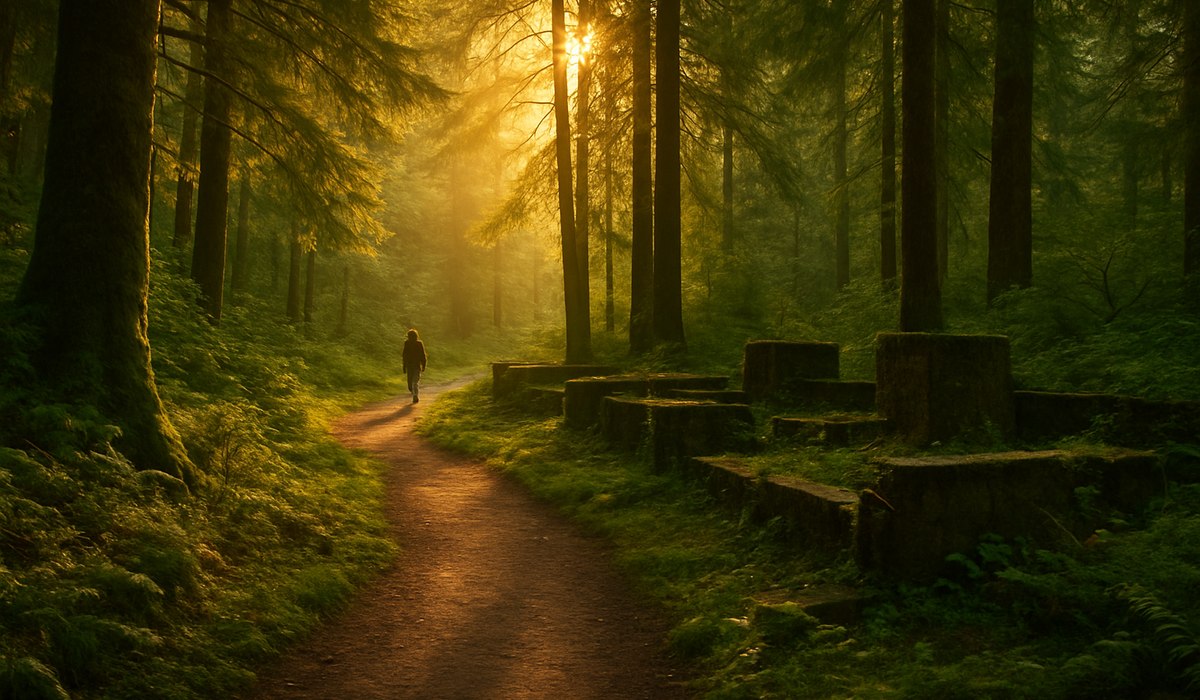
Image generated by AI
Historic Military Site Reimagined as Outdoor Recreation Destination
A Washington former WWII housing complex has been reimagined as a vibrant public park, transforming decades-old military infrastructure into an accessible outdoor recreation destination. The site, which once served as temporary housing for wartime personnel, now welcomes hundreds of visitors monthly seeking trail experiences, mountain biking opportunities, and immersive wildlife observation. This conversion represents a significant investment in the region's recreational infrastructure and honors the historical legacy of the original installation.
The Washington former WWII housing area spans multiple acres of well-maintained terrain, blending historical preservation with contemporary outdoor amenities. The project demonstrates how communities can repurpose military heritage sites into thriving community assets while maintaining environmental sensitivity and historical integrity.
Historical Significance: From Military Housing to Public Space
The original housing complex served as critical infrastructure during World War II, accommodating military families and support personnel during the war effort. Built with functional design rather than permanent considerations, the structures represented typical wartime construction: rapid-deployment housing intended for temporary occupation. After the war, many buildings were demolished, while others fell into disrepair.
The recent transformation began when local conservation organizations and municipal planners identified the site's potential as a public amenity. Rather than complete demolition, preservation efforts maintained select structures as interpretive markers, allowing visitors to understand the historical context. Educational signage explains the area's role in American military history, connecting outdoor recreation with historical education.
This Washington former WWII housing site now serves as both cultural artifact and community resource. The restoration project included environmental assessments, trail development, and accessibility improvements to ensure inclusive public access. The initiative reflects growing national trends toward adaptive reuse of military properties.
Trail System and Outdoor Recreation Opportunities
The park features an extensive network of pedestrian trails ranging from easy walking paths to challenging hiking routes suitable for various fitness levels. Multiple trailheads provide access points throughout the lovely park area, with clearly marked difficulty ratings and distance indicators. Most trails wind through forested sections, offering shade and protection from seasonal weather conditions.
Mountain biking has emerged as a primary draw for the destination, with dedicated single-track paths designed specifically for two-wheeled enthusiasts. Trail builders incorporated natural elevation changes and technical features while minimizing environmental disruption. The park maintains separate routes for hikers and cyclists during peak usage periods, ensuring safety and experience quality.
Accessibility was paramount during development, with several routes featuring paved surfaces and minimal grade changes. These accessible trails enable visitors with mobility challenges to experience the Washington former WWII housing area's natural surroundings. Benches and rest areas dot the trail system, providing respite points for leisure walkers.
Seasonal conditions affect trail conditions and availability. Spring and fall offer optimal hiking weather, while summer attracts the highest visitor volume. Winter closures occur periodically on higher-elevation sections. The park authority maintains current trail status information through their official website.
Wildlife and Nature Observation Highlights
The area supports diverse wildlife populations, making it exceptional for birding and nature photography. Over 120 bird species have been documented within the park boundaries, including year-round residents and seasonal migrants. Early morning visits typically yield the best birdwatching opportunities, when avian activity peaks.
Mammals including deer, foxes, and smaller species inhabit the forested sections. The Washington former WWII housing area's transition to managed parkland has actually benefited wildlife by reducing human disturbance and allowing natural vegetation recovery. Wetland areas support amphibian populations and provide critical breeding habitat.
Flora includes native tree species, understory plants, and seasonal wildflower displays. Interpretive signage identifies notable species and explains ecosystem functions. The park's natural features represent regional biodiversity and support conservation education objectives. Photography enthusiasts appreciate the diverse photographic subjects available throughout the seasons.
Visitor Information and Access Guide
The park operates year-round with extended hours during daylight seasons. Entry is free, though donations support maintenance and programming. Parking facilities accommodate approximately 200 vehicles, with overflow parking available seasonally. The main visitor center provides maps, safety information, and educational materials about the Washington former WWII housing area's history.
Facilities include restroom structures, picnic areas, and water stations distributed along major trails. Leashed dogs are permitted on designated paths, and the park maintains dog waste stations. Bicycles, including mountain bikes and standard models, are welcome on designated routes. No motorized vehicles are permitted beyond designated service roads.
The park is located approximately 45 minutes from major metropolitan centers, making it accessible for day trips and weekend outings. Public transportation options exist but are limited, so personal vehicles are recommended. Nearby accommodations include campgrounds and lodging facilities within 10 miles.
| Feature | Details |
|---|---|
| Total Area | 380+ acres |
| Trail Miles | 28 miles of mixed-use paths |
| Parking Spaces | 200+ standard, 25 accessible |
| Annual Visitors | 45,000+ (2025 data) |
| Season Duration | Year-round, variable hours |
| Entry Fee | Free (donations encouraged) |
| Primary Activities | Hiking, mountain biking, wildlife observation |
| Accessibility Features | 6 paved trails, accessible restrooms, parking |
How to Book Recreational Activities and Ensure Quality Visits
The Washington former WWII housing area welcomes walk-up visitors throughout operating hours. However, group visits exceeding 15 participants should submit advance notice to facilitate parking and guide availability. Special events, including guided nature walks and historical tours, require separate registration through the park's online portal.
Check the official park website before visiting to confirm trail conditions and seasonal closures. Weather impacts trail quality significantly, particularly in winter months. Early morning visits typically provide optimal conditions, fewer crowds, and superior wildlife observation opportunities. Peak visiting times occur weekends and summer afternoons, so consider midweek morning visits for solitude.
Bring adequate water, sun protection, and weather-appropriate clothing. Cell service is limited in some areas, so download offline maps before arrival. First-aid stations are positioned at primary trailheads. Emergency services respond to calls within 15-20 minutes on average.
What This Means for Travelers and Outdoor Enthusiasts
This transformation of the Washington former WWII housing area into a public recreation destination offers several advantages for travelers planning Pacific Northwest adventures:
-
Enhanced accessibility to quality outdoor recreation within reasonable driving distance from urban centers, eliminating need for distant travel for quality trail systems
-
Diverse activity options accommodating multiple skill levels and interests—from casual walkers to serious mountain bikers to dedicated birders—within a single location
-
Educational enrichment combining historical learning with outdoor recreation, allowing visitors to understand regional military heritage while enjoying contemporary amenities
-
Cost-effective tourism with free entry and minimal facility fees compared to developed resort destinations, maximizing travel budgets
-
Seasonal visitation flexibility supporting year-round travel planning with variable experiences across spring migration, summer abundance, and fall colors
-
Community connection opportunities through volunteer programs, guided tours, and educational workshops enhancing engagement beyond basic recreational use
Frequently Asked Questions
What is the best season to visit the Washington former WWII housing area park?
Spring and fall offer optimal conditions with mild temperatures, high wildlife activity, and minimal weather disruption. Summer attracts crowds but provides reliable weather. Winter is possible but involves closures and challenging trail conditions. Birding enthusiasts prefer spring migration seasons.
Are dogs allowed on trails in the Washington former WWII housing area?
Yes, leashed dogs are permitted on designated trails throughout the park. Dog waste stations are distributed along major routes. Aggressive dogs or animals without restraints may be asked to leave. Certain sensitive habitat areas restrict dog access seasonally during breeding periods.
How far are the shortest trails for casual visitors?
The easily accessible area includes several trails under two miles suitable for families with young children. Paved accessible paths span approximately 1.5 miles.
Disclaimer
This article is for informational and educational purposes only. It does not constitute legal, financial, or professional advice. While we strive to provide accurate and up-to-date information, travel policies, regulations, and conditions change rapidly. Always verify information with official sources before making travel decisions. Nomad Lawyer makes no representations about the accuracy, reliability, completeness, or suitability of the information provided. Readers should consult qualified professionals for advice specific to their circumstances. The views expressed in this article are those of the author and do not necessarily reflect the views of Nomad Lawyer.
Raushan Kumar
Founder & Lead Developer
Full-stack developer with 11+ years of experience and a passionate traveller. Raushan built Nomad Lawyer from the ground up with a vision to create the best travel and law experience on the web.
Learn more about our team →