
Vietnam Ranks Third in Asia for Repeat International Travelers in 2026

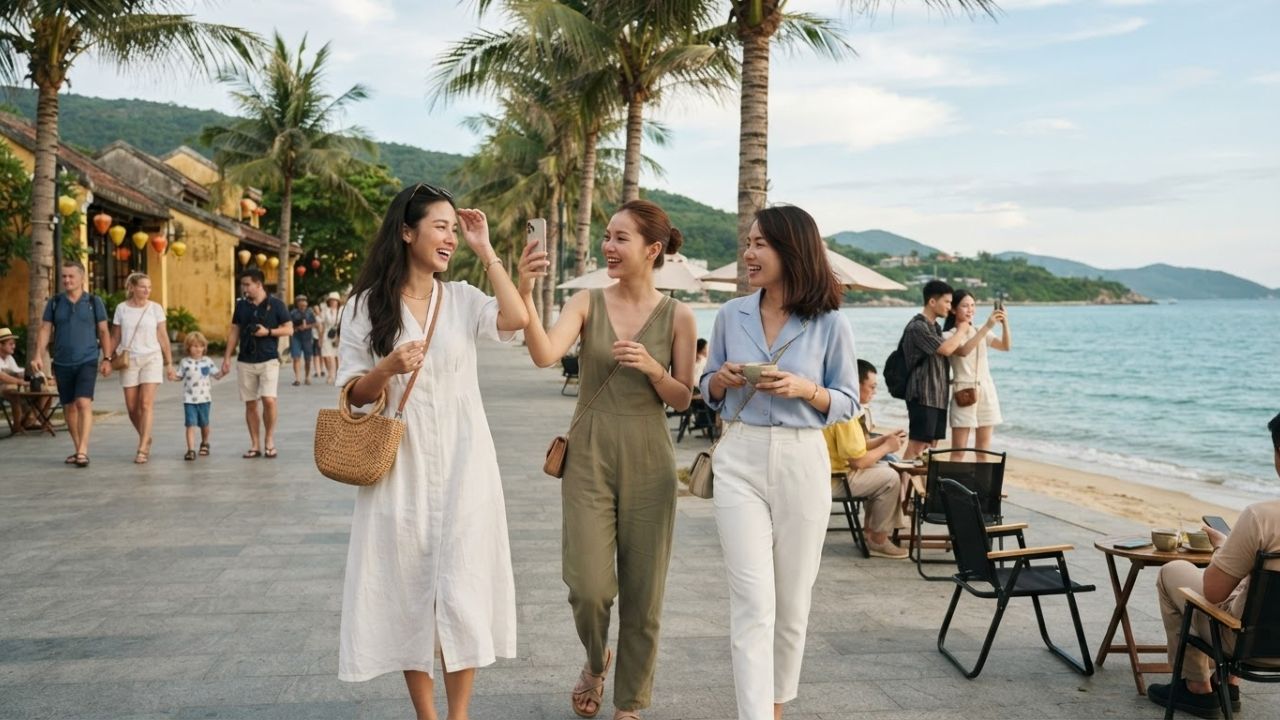
Ranking third across East and Southeast Asia for repeat international visitors behind only Japan and Thailand, Vietnam welcomed 12.2 million foreign travelers during the first seven months of 2026—a 23% surge compared to the previous year. Anchored by returnee hotspots like Da Nang, Ho Chi Minh City, Nha Trang, Hanoi, and Phu Quoc, the country is rapidly shifting from a one-time bucket-list stop into a high-loyalty travel hub targeting up to 50 million annual visitors by 2030.
Vietnam's inbound tourism model is undergoing a profound structural evolution. According to regional hospitality metrics published in Agoda’s 2026 travel insights, Vietnam secured the third-highest level of repeat international travelers in East and Southeast Asia during the first half of the year, outperforming regional peers including Malaysia and Indonesia. While Japan and Thailand continue to hold the top two spots, Vietnam's ascent into the top three highlights an accelerating trend: international voyagers are returning for second, third, and fourth journeys to explore secondary regions and cultural enclaves.
The nation's overall growth trajectory reinforces this loyalty. Official data compiled by the Vietnam National Authority of Tourism (VNAT) reveals that Vietnam welcomed 12.2 million international arrivals between January and July 2026, marking a 23% increase over the corresponding period last year. While Thailand maintained regional volume leadership with 19.2 million foreign visitors over the same seven months, Vietnam’s high repeat visitation rate demonstrates that traveler retention and long-term customer value are expanding rapidly.
| Southeast Asia & Vietnam Tourism Metric | 2026 Performance Indicator | Comparative Regional Context |
|---|---|---|
| Repeat Visitor Ranking (East & SE Asia) | Vietnam ranked 3rd overall | Trailing only Japan (1st) and Thailand (2nd); ahead of Malaysia (4th) and Indonesia (5th) |
| Seven-Month Inbound Total (Jan–July 2026) | 12.2 million international visitors | +23% increase compared to the same seven-month period in 2025 |
| Thailand Comparative Baseline | 19.2 million foreign visitors | Remains regional volume leader; Vietnam closing loyalty gap |
| National 2030 Tourism Ambition | 45 million to 50 million annual arrivals | National development blueprint spearheaded by VNAT |
| Top Repeat City Destination | Da Nang | Coastal hub integrated with Hoi An Ancient Town UNESCO site |
| Urban Gainers in Repeat Rankings | Ho Chi Minh City & Hanoi | Hanoi jumped 2 positions; Ho Chi Minh City gained on gastronomy and lifestyle |
| Leading Coastal Repeat Hubs | Nha Trang & Phu Quoc | Island retreats and marine recreation centers |
| Primary Policy Growth Drivers | 90-day multi-entry e-visas & transport upgrades | Enhanced expressway networks and international airport links |
The Geographic Shift: Vietnam's Top 5 Repeat Hubs
The geography of repeat travel in Vietnam reveals a distinct pattern. Rather than repeating identical itineraries between Hanoi and Ho Chi Minh City, returning travelers are focusing on regional depth, wellness, and localized culinary exploration.
Agoda’s data identifies the top five destinations driving Vietnam's repeat visitor numbers:
- Da Nang (Central Coast Leader): Da Nang has emerged as the clear favorite for returning travelers. Its international airport connects directly to East Asian and Southeast Asian capitals, providing frictionless access to My Khe Beach, the Marble Mountains, and luxury beachfront resorts. Crucially, Da Nang serves as the primary gateway to Hoi An Ancient Town, a UNESCO World Heritage Site located just 30 kilometers south. Returning voyagers frequently base themselves in Da Nang to pair coastal relaxation with evening lantern walks, bespoke tailoring, and heritage dining in Hoi An.
- Ho Chi Minh City (Southern Urban Engine): Climbing higher in the regional repeat index compared to last year, the southern metropolis draws returning business travelers, digital nomads, and urban culinary enthusiasts. Its vibrant coffee culture, craft beer movement, contemporary art galleries, and historic French-colonial districts provide endless variety for travelers who have already completed standard historical sightseeing.
- Nha Trang (Coastal Leisure Sanctuary): Located along Khanh Hoa province's turquoise coastline, Nha Trang retains strong loyalty among travelers seeking extended beach retreats, mineral mud baths, and offshore diving across Hon Mun Marine Protected Area.
- Hanoi (Historic Capital on the Rise): Moving up two positions in the repeat rankings, Vietnam's thousand-year-old capital is experiencing renewed international devotion. Returning visitors bypass crowded tourist groups to rent courtyard apartments in the French Quarter or West Lake (Tay Ho), spending mornings exploring artisan craft guild streets in the Old Quarter and evenings discovering quiet street-food stalls.
- Phu Quoc (Gulf of Thailand Island Escape): Situated in Kien Giang province, Phu Quoc attracts second-time visitors looking for tropical relaxation. With dedicated visa exemptions for direct international arrivals, luxury eco-resorts, and protected marine parks, the island provides a peaceful counterpoint to mainland journeys.
Policy Liberalization and Infrastructure Catalyze Repeat Travel
Several structural factors explain why international visitors are returning to Vietnam with greater frequency:
- Progressive Visa Reforms: Vietnam's expanded 90-day multi-entry electronic visa (e-visa) framework allows international travelers to enter and exit effortlessly. Digital nomads and long-stay retirees can use Vietnam as a comfortable base while taking weekend excursions to neighboring countries.
- High-Speed Expressways and Aviation Growth: The completion of major sections of the North-South Expressway has drastically cut overland transit times, transforming multi-day road trips into quick morning journeys. Domestic carriers operate dense flight schedules linking Da Nang, Cam Ranh (Nha Trang), Phu Quoc, and Van Don (Ha Long Bay) with Hanoi and Ho Chi Minh City.
- Exceptional Price-to-Quality Ratio: While travel costs in traditional Western and North Asian markets have escalated due to inflation, Vietnam continues to deliver exceptional purchasing power. Boutique five-star heritage hotels, Michelin-selected street-food eateries, and private guided excursions remain accessible at reasonable price points, encouraging travelers to return without budget anxiety.
Cultural & Environmental Value: Transitioning from Footprint to Preservation
For the international traveler, the true significance of Vietnam’s repeat travel boom is the dispersion of tourism capital into regional communities and ecological conservation. First-time visitors typically follow a compressed "greatest hits" route, concentrating crowds in small areas. In contrast, returning travelers venture into rural valleys, artisan villages, and community-based eco-lodges, directly supporting local families.
Key cultural and environmental initiatives include:
- Community-Based Tourism (CBT) in Northern Highlands: Returning travelers are venturing beyond Sapa into the terraced valleys of Mu Cang Chai, Ha Giang, and Bac Ha. By booking village-run homestays managed by Hmong, Red Dao, and Tay ethnic communities, tourism revenue bypasses commercial intermediaries and pays for village schooling, clean water initiatives, and textile weaving cooperatives.
- Marine Conservation in Cham Islands & Phu Quoc: Located off the coast of Hoi An, the Cu Lao Cham Marine Protected Area enforces strict single-use plastic bans, seasonal fishing moratoria, and coral reef restoration projects funded by visitor entrance fees. Regulated dive operators educate returning divers on reef regeneration.
- Reviving Traditional Guilds in Central Vietnam: In Quang Nam province, the influx of conscious return travelers has revived centuries-old artisan traditions, including the 500-year-old Thanh Ha Pottery Village, Tra Que Organic Vegetable Village, and traditional silk-weaving workshops along the Thu Bon River.
Destination Specialist Insider Tips for Exploring Vietnam
Travelers returning to Vietnam—or planning an in-depth journey in 2026—can unlock an authentic, frictionless experience with these localized recommendations:
- Master Vietnam's Distinct Microclimates: Vietnam spans over 1,600 kilometers north to south, creating three distinct climate zones. When planning a trip:
- Northern Vietnam (Hanoi, Ha Long, Sapa): Autumn (September to November) and spring (March to April) offer mild temperatures and clear skies, avoiding the winter chill of January and summer downpours of July.
- Central Coast (Da Nang, Hoi An, Hue): February to August brings dry, sunny weather with calm seas. Avoid late autumn (October to November) when typhoon rains can trigger localized flooding in Hoi An.
- Southern Vietnam (Ho Chi Minh City, Mekong Delta, Phu Quoc): The dry season runs from November to April, delivering dependable sunshine and low humidity.
- Ride the Historic Reunification Express: Instead of flying every sector, book a sleeper cabin on the historic North-South Railway. The four-hour scenic coastal run between Hue and Da Nang crosses the dramatic Hai Van Pass, offering panoramic views of secluded ocean coves and mist-shrouded jungle slopes that highway vehicles miss.
- Local Cultural Etiquette:
- Temple & Pagoda Decorum: Always dress conservatively with shoulders and knees covered when entering sacred Buddhist pagodas or communal houses (dinh). Remove shoes outside prayer halls when instructed, and never point your feet directly at Buddha statues when seated.
- Chopstick Customs: Never stick your chopsticks vertically into a bowl of rice, as this resembles incense sticks burned for the deceased during ancestral funeral rites. Place them neatly across the ceramic chopstick rest or beside your bowl.
- Greeting Elders: Greet elders first by slightly bowing your head and crossing your arms respectfully, using the traditional honorifics (Chao Bac or Chao Chu).
- Authentic Regional Gastronomy Beyond Classic Pho:
- Central Specialties: In Hoi An, order Cao Lau—chewy noodles tossed with tender char siu pork, crispy croutons, and fresh greens, steeped in a secret broth traditionally made with water drawn from ancient Cham wells. In Da Nang, savor Mi Quang, turmeric-infused rice noodles with shrimp, pork, crushed peanuts, and toasted sesame rice crackers.
- Hanoi Culinary Gems: Skip commercial eateries and pull up a low plastic stool for Bun Cha—charcoal-grilled pork patties and belly served in warm, sweet-savory fish sauce broth alongside rice vermicelli and mounds of fresh herbs. Finish with a rich Ca Phe Trung (egg coffee whipped with condensed milk and egg yolk).
- Southern Delicacies: In Ho Chi Minh City, feast on Banh Xeo—a giant crispy crepe made from rice flour, coconut milk, and turmeric, filled with pork, prawns, and bean sprouts, wrapped in wild mustard leaves and dipped in chili-garlic fish sauce.
- Under-the-Radar Escapes for Repeat Visitors:
- Pu Luong Nature Reserve: Located four hours southwest of Hanoi, Pu Luong features pristine limestone peaks, terraced rice paddies, water wheels, and traditional Thai stilt houses, offering a peaceful alternative to busy highland trails.
- Con Dao Archipelago: An isolated cluster of islands off the southern coast, Con Dao boasts uncrowded beaches, sea turtle nesting sanctuaries, and a poignant historical prison complex, accessible via short turboprop flights from Ho Chi Minh City.
Tourism Outlook: Targeting 50 Million Travelers by 2030
Vietnam’s rise to third place in Asia’s repeat travel rankings marks a pivotal maturation of its visitor economy. By setting a national target of 45 million to 50 million annual international visitors by 2030, the government is not merely chasing top-line volume; it is building an ecosystem that encourages travelers to return repeatedly.
With 12.2 million visitors welcomed in just seven months of 2026, Vietnam is proving that ease of access, warm hospitality, exceptional culinary depth, and progressive infrastructure investments form an unbeatable combination. Returning travelers spend longer, travel deeper, and forge meaningful relationships with local communities, ensuring that Vietnam's tourism expansion remains sustainable for generations to come.
Frequently Asked Questions
Where does Vietnam rank in Asia for repeat international visitors in 2026?
Vietnam ranks third in East and Southeast Asia for repeat foreign visitors, according to Agoda's 2026 travel data, trailing only Japan and Thailand while outpacing Malaysia and Indonesia.
How many international tourists visited Vietnam in the first seven months of 2026?
Vietnam welcomed 12.2 million international visitors between January and July 2026, marking a 23% increase compared to the same period in 2025.
What are the top destinations for repeat visitors in Vietnam?
The top five destinations for repeat travelers are Da Nang, Ho Chi Minh City, Nha Trang, Hanoi, and Phu Quoc, with Hanoi climbing two positions this year.
What is Vietnam’s national tourism target for 2030?
Under official development blueprints led by the Vietnam National Authority of Tourism (VNAT), Vietnam aims to welcome between 45 million and 50 million international visitors annually by 2030.
By turning first-time visitors into lifelong champions, Vietnam is establishing a vibrant and sustainable travel legacy across Southeast Asia.
Related Travel Guides
Disclaimer
This article is for informational and educational purposes only. It does not constitute legal, financial, or professional advice. While we strive to provide accurate and up-to-date information, travel policies, regulations, and conditions change rapidly. Always verify information with official sources before making travel decisions. Nomad Lawyer makes no representations about the accuracy, reliability, completeness, or suitability of the information provided. Readers should consult qualified professionals for advice specific to their circumstances. The views expressed in this article are those of the author and do not necessarily reflect the views of Nomad Lawyer.
Raushan Kumar
Founder & Lead Developer
Full-stack developer with 11+ years of experience and a passionate traveller. Raushan built Nomad Lawyer from the ground up with a vision to create the best travel and law experience on the web.
Learn more about our team →