
Qatar Welcomes 2.338 Million Visitors in 2026 as Global Demand Surges

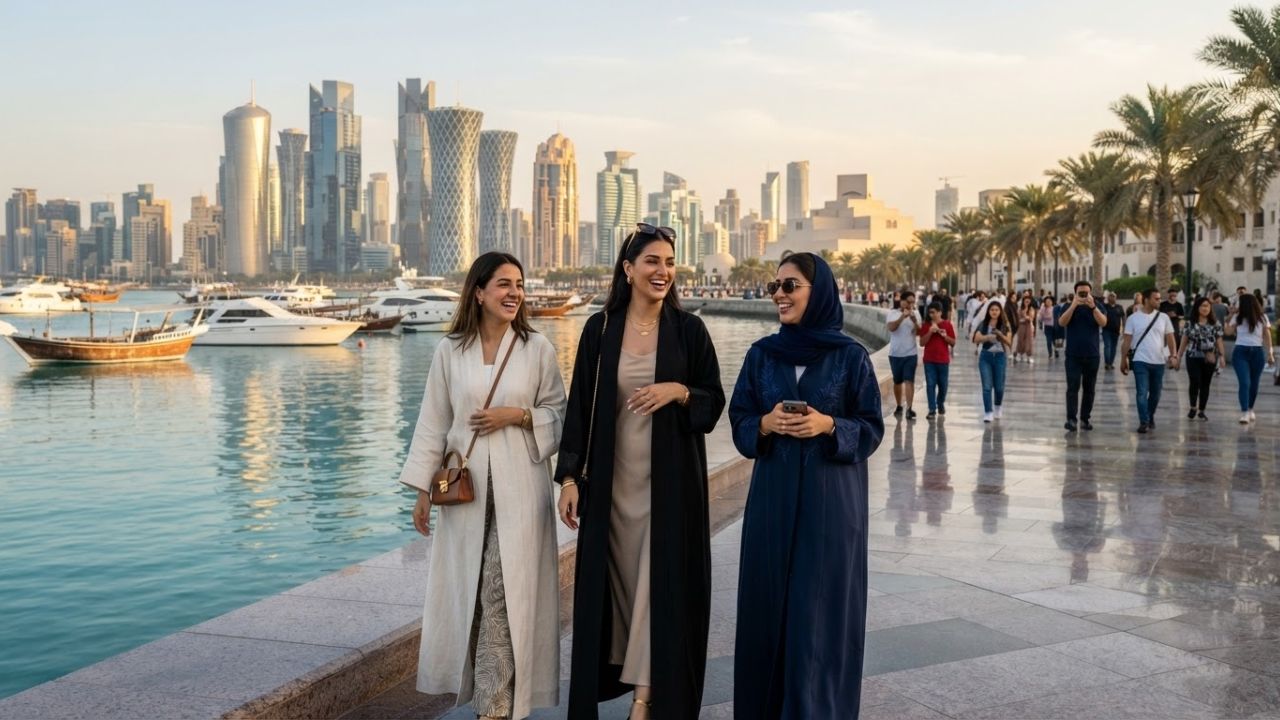
Welcoming 2.338 million international visitors between January and August 2026 across air, land, and sea entry checkpoints, Qatar is experiencing a powerful tourism expansion anchored by 958,000 GCC travelers and balanced by accelerating arrivals from Asia, Europe, and the Americas. Following a 6.3% monthly jump to 303,000 arrivals in August alone, the Gulf nation is successfully transforming its global travel footprint from a regional transit gateway into an enduring cultural and luxury destination.
Qatar's inbound travel sector has entered an accelerated development phase in 2026. According to the latest official performance figures released by Qatar Tourism, the country welcomed 2.338 million international visitors during the first eight months of the year. This milestone reflects sustained demand across neighbouring Gulf Cooperation Council (GCC) states alongside expanding reach throughout Europe, Asia, and North America.
Rather than serving solely as an aviation transfer nexus connecting eastern and western hemispheres, the country is converting layover traffic into multi-night leisure stays. Heavy strategic capital investments in public transit, historic preservation, coastal ecotourism, and hospitality infrastructure are establishing Qatar as one of the most dynamic cultural destinations across the Arabian Gulf.
| Qatar Tourism Performance Metric | 2026 Official Visitor Volume | Market Share & Comparative Baseline |
|---|---|---|
| Total Inbound Visitors (Jan–Aug 2026) | 2.338 million international arrivals | Comprehensive count across air, land, and sea entry points |
| GCC Regional Inbound (Leading Market) | 958,000 visitor arrivals | Approximately 41.0% share of total international arrivals |
| Asia & Oceania (Second-Largest Region) | 489,000 visitor arrivals | 20.9% share of total international arrivals |
| Europe (Third-Largest Region) | 486,000 visitor arrivals | 20.8% share of total international arrivals |
| The Americas | 169,000 visitor arrivals | 7.2% share of total international arrivals |
| Other Arab Nations | 162,000 visitor arrivals | Strong regional linguistic and cultural affinity demand |
| Other African Markets | 73,000 visitor arrivals | Expanding commercial and emerging leisure connections |
| August 2026 Monthly Total | 303,000 international arrivals | +6.3% monthly expansion compared to July 2026 (285,000) |
| Primary Entry Gateways | Hamad International Airport, Abu Samra, Doha Port | Multi-modal entry spanning aviation, highway, and maritime cruise |
The Geographic Shift: Regional Strength Meets Global Diversification
Travelers originating from GCC partner nations continued to anchor Qatar's inbound volume from January through August 2026, delivering 958,000 arrivals. Representing approximately 41% of all international visitors entering the country, the regional surge demonstrates the enduring pull of short-haul travel. Saudi Arabia, the United Arab Emirates, Kuwait, Bahrain, and Oman benefit from friction-free overland access via the modern Abu Samra border crossing, complemented by dozens of daily high-frequency shuttle flights into Hamad International Airport (DOH).
The appeal of Doha for regional travelers centers on weekend city breaks, world-class retail, family-friendly entertainment districts, and seasonal cultural exhibitions. Cultural familiarity, unified customs processes, and shared culinary traditions make Qatar an intuitive choice for regional short vacations.
Beyond the Gulf, Qatar's inbound visitor portfolio is achieving remarkable geographical diversification. Asia and Oceania emerged as the second-largest feeder market, contributing 489,000 arrivals, or 20.9% of the total. Fast-expanding aviation routes operated by Qatar Airways connecting major hubs in India, China, Japan, and Australia have unlocked seamless leisure access.
European travelers followed in close succession, generating 486,000 visitors, representing 20.8% of total arrivals. The virtual parity between Asia (489,000) and Europe (486,000) underscores Qatar’s success in building balanced source markets rather than over-relying on a single origin territory. Meanwhile, the Americas contributed 169,000 visitors (7.2%), while other Arab states added 162,000 visitors and African markets delivered 73,000 arrivals, demonstrating broad international reach.
In August 2026, inbound volume expanded by 6.3% month-on-month, recording 303,000 arrivals against July’s 285,000 visitors. This late-summer surge proves that climate-controlled urban districts, luxury marine resorts, and world-class museum programming are successfully smoothing out historical seasonal dips.
Cultural & Environmental Value: Aligning Heritage with Regenerative Modernity
For travelers on the ground, the impact of Qatar's tourism surge lies in the state's deliberate alignment between economic growth and heritage preservation. Rather than prioritizing generic mega-developments, tourism receipts directly fund living heritage districts and delicate desert conservation programs overseen by Qatar Museums and the Ministry of Environment and Climate Change.
Key initiatives shaping authentic, responsible exploration include:
- Msheireb Downtown Doha Sustainable Regeneration: Recognized as the world's first fully built smart, sustainable downtown district, Msheireb holds over 100 LEED Platinum and Gold certified buildings. Shaded pedestrian arcades orient natural sea breezes, rooftop photovoltaic solar arrays generate clean electricity, and a free battery-electric tram reduces urban automotive emissions to zero. The district’s restored heritage quarter houses four heritage houses turned museums, highlighting Qatari societal history, trade traditions, and architectural ingenuity.
- Al Reem Biosphere Reserve & Desert Preservation: Encompassing approximately 10% of Qatar’s total land area, the UNESCO-recognized Al Reem Biosphere Reserve in the northwest safeguards hyper-arid ecosystems. Conservation officers manage breeding populations of wild Arabian oryx, gazelles, and nesting sea turtles, while permitting strictly regulated, low-impact eco-safaris that direct funding to ecological restoration.
- Al Thakira Mangrove Forest Stewardship: Near the northern coastal city of Al Khor, the dense grey mangrove (Avicennia marina) forests of Al Thakira form a critical coastal wetland sanctuary. Regulated eco-kayaking excursions introduce visitors to vital marine nurseries and migratory bird habitats—including seasonal pink flamingos—without motorized engine disturbance.
- Living Artisan Traditions at Souq Waqif: Century-old trading alleys at Souq Waqif preserve traditional mud-rendered architecture while supporting generational craftspeople, including traditional pearl merchants, Oud perfumers, falconry handlers, and Arabic carpet weavers.
Destination Specialist Insider Tips for Exploring Qatar
Travelers organizing an expedition to Qatar in 2026 can optimize their transit logistics and cultural immersion with these local recommendations:
- Optimal Seasonal Timing & Summer Strategy: The prime window for outdoor exploration, desert excursions, and coastal watersports runs from mid-October through April, when daytime temperatures hover between 22°C and 28°C. For travelers arriving during late summer (such as the 303,000 visitors in August), focus outdoor activities during early mornings along the Doha Corniche, transitioning midday into climate-cooled architectural marvels like the National Museum of Qatar, the Museum of Islamic Art, and the climate-controlled promenades of Katara Cultural Village.
- Public Transit Mastery with Doha Metro: Skip highway traffic and expensive airport taxis by utilizing the fully automated, driverless Doha Metro. Hamad International Airport connects directly to Central Doha via the Red Line. A rechargeable Standard Travel Card costs QAR 6 (~US$1.65), with single journeys priced at just QAR 2 (~US$0.55). The system is spotless, air-conditioned, and connects directly to Souq Waqif, Msheireb, Katara, and Lusail.
- Cultural Etiquette & Local Norms:
- Modest Attire: In public spaces such as traditional souqs, government offices, and shopping malls, dress respectfully with clothing that covers shoulders and knees. Beachwear is welcomed at private hotel pools, beach clubs, and resort beaches.
- Photography Protocols: Always request permission before photographing local residents, particularly women, families, and traditional falconers. Government buildings, military installations, and security checkpoints must never be photographed.
- Hospitality Customs: When offered Arabic coffee (gahwa) poured from a traditional dallah pot into a small handleless cup (finjan), accept with your right hand. Gently jiggle the cup between your thumb and forefinger when handed back to signify you have had enough.
- Authentic Qatari Gastronomy Beyond International Hotels:
- Machboos: Savor Qatar’s national dish—fragrant long-grain basmati rice cooked in slow-simmered broth infused with dried black lime (loomi), cloves, green cardamom, and baharat spices, topped with tender braised lamb, chicken, or local kingfish (hamour).
- Regag Bread at Souq Waqif: Watch local home cooks swirl wafer-thin fermented dough on a curved cast-iron griddle in the open courtyard of Souq Waqif, topped with eggs, creamy cheese, honey, or savory mehawa (sun-dried anchovy spread).
- Balaleet & Karak Morning Ritual: Pair a steaming cup of karak tea (rich black tea brewed with evaporated milk, cardamom, crushed cloves, and saffron) with balaleet, a sweet vermicelli dish infused with rosewater and topped with a savory cardamom-seasoned omelet.
- Hidden Under-the-Radar Excursions:
- Al Jassasiya Petroglyphs: Drive north past Al Khor to view over 800 enigmatic prehistoric rock carvings etched into low limestone ridges, depicting dhow boats with oars, row systems, and ancient cup marks.
- Khor Al Adaid (The Inland Sea): Located at the southern tip of the peninsula, this UNESCO recognized natural wonder represents one of the few places on Earth where towering desert sand dunes plunge directly into calm turquoise ocean inlets, accessible exclusively by expert four-wheel-drive desert expeditions.
Tourism Outlook: Engineering a Sustainable Cultural Capital
Qatar's arrival count of 2.338 million visitors in the first eight months of 2026 demonstrates that the nation has moved beyond the temporary spotlight of sporting mega-events. By balancing a 41% regional GCC baseline with expanding long-haul streams from Europe and Asia, the country is establishing long-term stability against macroeconomic swings.
Under the framework of Qatar National Vision 2030, the tourism authority aims to draw 6 million annual visitors and elevate tourism's contribution to national gross domestic product to 12%. By coupling high-speed digital entry visas with sustainable transit, world-class aviation, and strict conservation of fragile marine and desert ecosystems, Qatar is demonstrating how rapid modern expansion can coexist with deep cultural reverence.
Frequently Asked Questions
How many international tourists visited Qatar in the first eight months of 2026?
Qatar welcomed 2.338 million international visitors between January and August 2026 across air, land, and sea checkpoints, according to official figures from Qatar Tourism.
Which region contributes the largest share of tourists to Qatar?
GCC markets represent the largest source, delivering 958,000 visitors in the first eight months of 2026, accounting for approximately 41% of all international arrivals.
What caused the tourist arrival increase in August 2026?
Qatar welcomed 303,000 international visitors in August 2026, marking a 6.3% increase over July (285,000), driven by climate-cooled indoor attractions, regional leisure breaks, and expanding summer hospitality packages.
What is the fastest public transportation option from Hamad International Airport?
The automated Doha Metro Red Line connects Hamad International Airport directly to central Doha, Msheireb, and Souq Waqif, offering fast, air-conditioned journeys starting at QAR 2.
With balanced arrivals spanning five continents, Qatar is setting a sustainable standard for cultural tourism across the Arabian Peninsula.
Related Travel Guides
Disclaimer
This article is for informational and educational purposes only. It does not constitute legal, financial, or professional advice. While we strive to provide accurate and up-to-date information, travel policies, regulations, and conditions change rapidly. Always verify information with official sources before making travel decisions. Nomad Lawyer makes no representations about the accuracy, reliability, completeness, or suitability of the information provided. Readers should consult qualified professionals for advice specific to their circumstances. The views expressed in this article are those of the author and do not necessarily reflect the views of Nomad Lawyer.
Raushan Kumar
Founder & Lead Developer
Full-stack developer with 11+ years of experience and a passionate traveller. Raushan built Nomad Lawyer from the ground up with a vision to create the best travel and law experience on the web.
Learn more about our team →