
Vietnam Restructures Northern Travel Corridors as Strategic Merger Propels Phu Tho Tourism to Lead Regional Development and Luxury Travel: Latest Update
Vietnam's Phu Tho province transforms into a northern travel powerhouse after its administrative merger with Vinh Phuc and Hoa Binh.

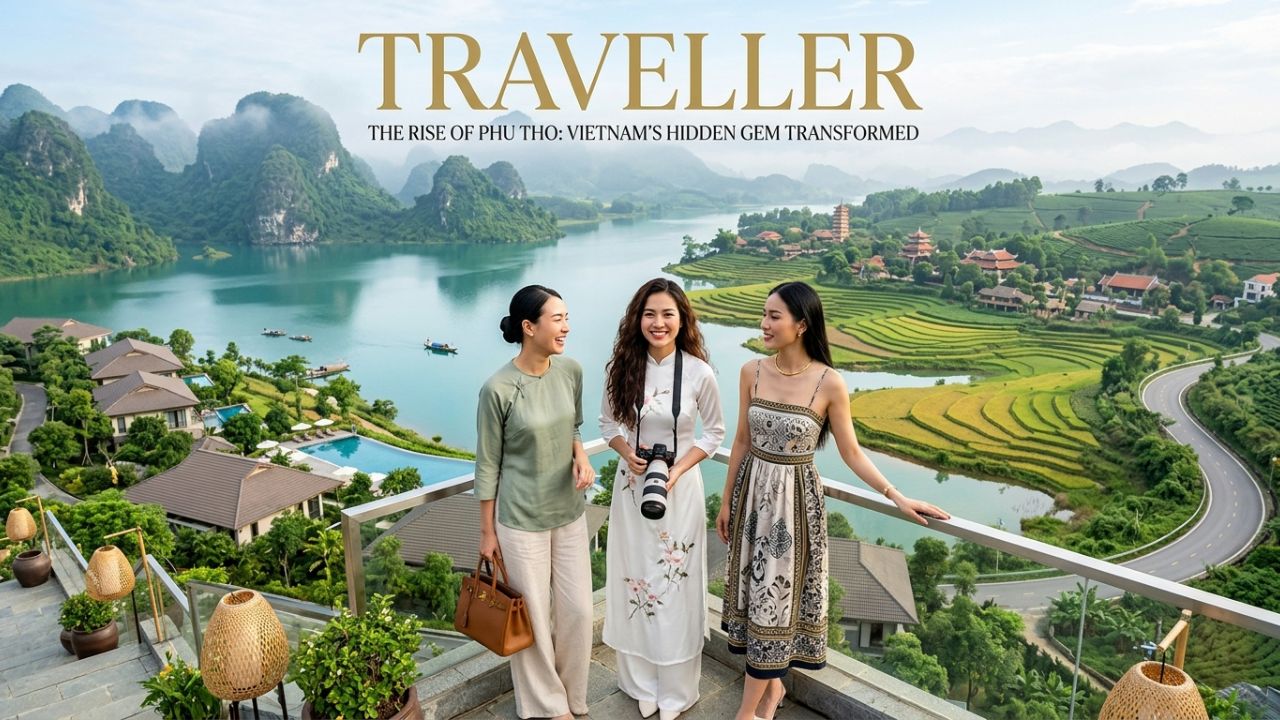
Image generated by AI
Published on June 22, 2026
A major administrative realignment in Southeast Asia is accelerating Phu Tho tourism, transforming the northern province into a strategically important travel powerhouse. Following a key merger with neighboring Vinh Phuc and Hoa Binh provinces, the unified region has created a massive mega-corridor combining heritage sites, mountain ranges, and luxury wellness resorts. Travelers in northern Vietnam can now experience a unified destination designed to streamline the visitor experience.
Quick Summary
- Unified Regional Ecosystem: The administrative merger completed in July 2025 integrates Vinh Phuc and Hoa Binh into a single coordinated corridor.
- High-End Hospitality Investment: Key luxury properties like Flamingo Dai Lai, Serena Resort Kim Boi, Mai Chau Hideaway, and FLC Vinh Phuc are driving high-value growth.
- Ancestral Heritage Focus: Spiritual destinations like the Hung Kings Temple Historical Site anchor the province's cultural identity and domestic travel flows.
- Eco-Tourism & Nature-based Travel: Natural landscapes like Xuan Son National Park, Hoa Binh Lake, and Tam Dao provide extensive trekking and cooling zones.
The restructure of provincial boundaries represents a calculated step to foster integrated regional development. By combining the natural topography of Hoa Binh and Vinh Phuc with the spiritual heritage of Phu Tho, planners have established a single, coordinated travel destination. This merger addresses fragmented marketing, enabling unified infrastructure planning and attracting large developers to Northern Vietnam.
Evolving traveler habits suggest that visitors seek experiences blending culture, outdoor recreation, and luxury. Under regional planners, Phu Tho is establishing a modern ecosystem that balances arrivals with community growth for an authentic journey.
Event and Incident Details: Administrative Merger Redefines Phu Tho Tourism
The acceleration of Phu Tho tourism is driven by its strategic administrative integration completed in July 2025. This merger has unified diverse geographical assets into a coordinated travel system across three primary segments:
- Luxury & Golf Tourism: Affluent travelers are drawn to upscale properties like Flamingo Dai Lai (wellness forest architecture) and Serena Resort Kim Boi (hot springs). The addition of Mai Chau Hideaway, FLC Vinh Phuc, and modern golf courses drives high-value premium growth.
- Eco-Tourism Landscapes: Xuan Son National Park offers biodiversity-rich trekking, Tam Dao provides cool escapes, and Hoa Binh Lake delivers water landscapes compared to a lakeside Ha Long Bay.
- Ancestral Heritage: The Hung Kings Temple Historical Site anchors cultural tourism, drawing millions of pilgrims. The preservation of UNESCO-listed Xoan Singing and Hung Kings Worship strengthens local identity.
- Community Development: Ethnic Muong communities operate homestays and traditional craft workshops, ensuring direct rural economic participation and indigenous heritage preservation.
Recent statistics highlight the rapid expansion of the province's tourism market. In 2025, the region recorded approximately 14.5 million visitors, generating nearly 14.8 trillion VND in revenue. This momentum continued into the first half of 2026, which saw the province attract over 10.5 million visitors, including more than 3.2 million overnight stays and approximately 74,000 international arrivals, generating 10.7 trillion VND in revenue.
The table below outlines the geographic segments and primary attractions in the restructured province:
| Regional Zone / Destination | Primary Landscape Type | Key Properties & Attractions | Core Strategic Focus |
|---|---|---|---|
| Vinh Phuc Segment | Forested Valleys & Hills | Flamingo Dai Lai, FLC Vinh Phuc, Tam Dao | Luxury Wellness & Golf Tourism |
| Hoa Binh Segment | Lakeside & Mountainous | Serena Kim Boi, Mai Chau Hideaway, Hoa Binh Lake | Hot Springs & Water Recreation |
| Phu Tho Core | Cultural & Lowland Valleys | Hung Kings Temple, Xuan Son National Park | Ancestral Heritage & Community Homestays |
Risk and Impact: Challenges Facing Vietnam's New Tourism Hub
Despite positive growth, travelers and operators must navigate several operational and environmental challenges:
- Heritage Overcrowding: The Hung Kings Temple experiences heavy peak traffic, requiring strict seasonal crowd controls.
- Infrastructure Strain: Rapid resort growth requires balanced updates to sewage, water, and transport networks.
- Digital Learning Curves: Older homestay operators face adaptation hurdles as smart tourism systems deploy.
- Eco-System Monitoring: Increased trekking in Xuan Son and boating on Hoa Binh Lake require strict environmental caps.
- Hospitality Training Gaps: Transitioning rural agricultural workers into hospitality requires extensive vocational training.
What Authorities Are Saying
Vietnamese administrative and tourism authorities emphasize that the unified region represents the future of sustainable travel in the country. Representatives from local ministries note that integrating the three regions allows for streamlined zoning and better resource allocation.
Looking to the future, the province's 2030 Tourism Vision sets ambitious goals to attract at least 20 million annual visitors, including 7.8 million overnight stays, generating 26.5 trillion VND in revenue and creating approximately 30,000 jobs. Officials stress that destination branding and digital transformation will remain primary focuses during this expansion.
Practical Traveler Advice Section
Travelers visiting these newly unified northern corridors should follow these recommendations:
- Pre-book Stays: Secure bookings early at premium resorts like Flamingo Dai Lai and Serena Kim Boi.
- Use Smart Tools: Leverage local QR-code info points, digital maps, and automated booking databases.
- Avoid Festival Peaks: Check local pilgrimage calendars to sidestep heavy crowds at the Hung Kings Temple.
- Support Rural Areas: Choose Muong community homestays and workshops to directly aid local economies.
- Prepare for Altitude: Pack light layers for transitions between hot lowlands and cool retreats like Tam Dao.
Broader Context Section: How Infrastructure and Culture Drive Phu Tho Tourism
The expansion of Phu Tho tourism highlights regional integration in Vietnam. Linking Hanoi directly to heritage, water, and mountain segments via improved highways has made short-break travel seamless. Modern visitors seek experiences blending cultural heritage, recreation, and luxury, driving significant Vietnam tourism growth and setting a benchmark for future regional mergers.
What to Expect Next / Looking Ahead
Travelers can expect expanded digital tools like VR and AR tours at historical sites, alongside road network upgrades to improve transit between mountain and lake destinations. Local authorities plan to expand workforce training in rural districts to support homestays. With over 10.5 million visitors in the first half of 2026, Phu Tho is rapidly becoming a premier northern gateway.
Conclusion
In conclusion, the administrative integration of Vinh Phuc and Hoa Binh has successfully positioned Phu Tho tourism as a leading multi-layered travel ecosystem. While navigating busy pilgrimage periods and rural transits requires planning, the reward is a diverse and highly authentic travel experience. By staying informed and booking ahead, travelers can enjoy a seamless tour of this rising northern powerhouse.
Related Travel Guides
The 10 Best Tourist Spots in Hanoi, According To Reddit
FAQ: Phu Tho Tourism and the Northern Merger
What provinces were merged to accelerate Phu Tho tourism?
In July 2025, former Vinh Phuc and Hoa Binh provinces were administratively merged with Phu Tho, creating a unified, multi-layered northern tourism corridor.
What are the key luxury resorts in the unified region?
Key upscale properties driving premium tourism include Flamingo Dai Lai Resort, Serena Resort Kim Boi, Mai Chau Hideaway, and FLC Vinh Phuc.
Why is Xuan Son National Park a major eco-tourism attraction?
Xuan Son National Park features a biodiversity-rich forest ecosystem offering trekking trails, cave systems, and nature-based photography opportunities.
What is the historical significance of Phu Tho province?
Phu Tho is recognized as the ancestral origin of the Vietnamese nation, home to the Hung Kings Temple Historical Site and UNESCO-listed Worship of Hung Kings and Xoan Singing.
What are the tourism targets for Phu Tho by 2030?
Under the 2030 Tourism Vision, the province aims to attract at least 20 million annual visitors, generate 26.5 trillion VND in revenue, and create 30,000 direct and indirect jobs.
Disclaimer
This article is for informational and educational purposes only. It does not constitute legal, financial, or professional advice. While we strive to provide accurate and up-to-date information, travel policies, regulations, and conditions change rapidly. Always verify information with official sources before making travel decisions. Nomad Lawyer makes no representations about the accuracy, reliability, completeness, or suitability of the information provided. Readers should consult qualified professionals for advice specific to their circumstances. The views expressed in this article are those of the author and do not necessarily reflect the views of Nomad Lawyer.
Kunal K Choudhary
Co-Founder & Contributor
A passionate traveller and tech enthusiast. Kunal contributes to the vision and growth of Nomad Lawyer, bringing fresh perspectives and driving the community forward.
Learn more about our team →