
Hidden Volcanic Sanctuaries and Coastal Homestays Redefine Eco-Tourism and Drive Inbound Travel to Vietnam: New Travel Alert
Vietnam's Phu Quy Island emerges as a top eco-tourism destination, attracting travelers with volcanic landscapes, homestays, and pristine marine reserves.

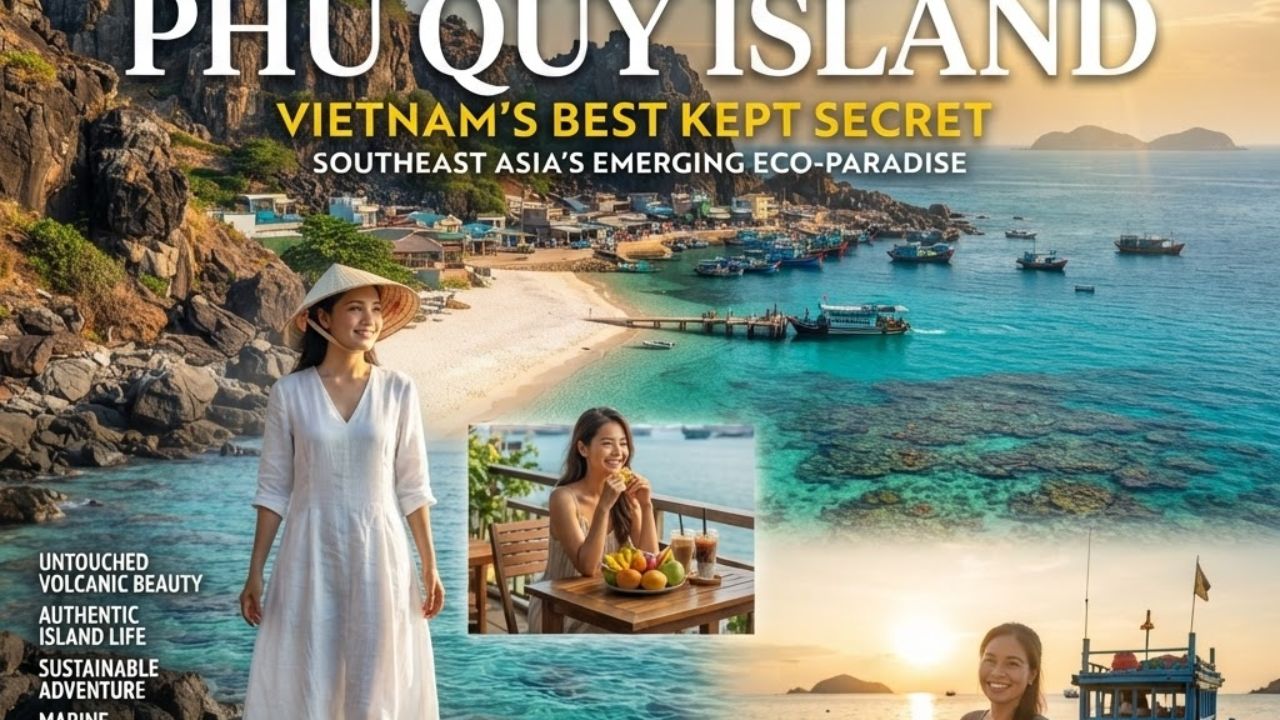
Image generated by AI
A quieter migration is reshaping Southeast Asian tourism corridors as international adventurers choose nature-focused destinations over crowded mass commercial resorts, boosting travel to Vietnam. Located 56 nautical miles off the south-central coast of Binh Thuan province, the volcanic sanctuary of Phu Quy Island offers travelers an untamed coastal escape.
[PHAN THIET, July 31, 2026] — A quieter migration is reshaping Southeast Asian tourism corridors as international adventurers choose nature-focused destinations over crowded mass commercial resorts, boosting travel to Vietnam. Located 56 nautical miles (approximately 120 kilometers) off the south-central coast of Binh Thuan province, the volcanic sanctuary of Phu Quy Island offers travelers an untamed coastal escape defined by family-run homestays, rich marine environments, and geological wonders. To reach this remote island, voyagers must navigate a multi-modal transit involving a ground vehicle drive from Ho Chi Minh City to Phan Thiet Port, followed by a deep-sea high-speed ferry crossing.
Navigating the Multi-Modal Transit to the Volcanic Sanctuary
Reaching this offshore destination requires a dedicated multi-stage journey, serving as a natural filter that protects the island from the impacts of rapid commercial development. The travel sequence involves:
- Arrival in Ho Chi Minh City: International travelers land at the southern aviation gateway.
- Ground Transit to Phan Thiet: A 2-to-3-hour drive covering an approximate road distance of 200 kilometers to Phan Thiet Port.
- Marine Crossing: A high-speed ferry ride across open water lasting between 2.5 and 3 hours to cover the 56-nautical-mile distance.
This structure requires travelers to align their schedules with ferry timetables, introducing a slower, more deliberate pace to the trip. The growth in demand is also bringing new investments to maritime transport in the Binh Thuan province. To explore regional guidelines and entry requirements, travelers can consult the Vietnam National Administration of Tourism (VNAT).
Strategic Seasonal Planning and Cash Requirements for the Island
Due to regional weather patterns, planning a visit requires careful timing to ensure a safe journey:
- Dry Season (December to June): The premier travel window, offering clear skies, calm seas, and excellent underwater visibility for coral diving.
- Storm Season (September to November): Heavy monsoonal rains and rough seas frequently disrupt ferry schedules, occasionally leaving travelers stranded.
- Cash Considerations: Because automated teller machines (ATMs) are scarce on the island, carrying an abundant supply of physical cash is mandatory to pay for local meals, rentals, and transfers.
This seasonal calendar requires local businesses to operate efficiently during the dry months while building sufficient reserves to navigate the quieter autumn storm season.
Shifting Consumer Psychology and Travel to Vietnam Trends
The interest in pristine environments is shifting how travelers select destinations, benefiting emerging segments of travel to Vietnam. Instead of prioritizing luxury spas or large resort complexes, modern eco-adventurers are focusing on environmental conservation, local food traditions, and minimal ecological impact.
This change in consumer interest encourages travelers to be more self-sufficient and culturally respectful. Because the local administration has banned single-use plastics and actively promotes community-led waste management, visitors are expected to practice active environmental stewardship during their stay, helping preserve the delicate coastline.
Sustainable Local Infrastructure and Community-Led Eco-Tourism
Phu Quy's hospitality model focuses on community-run operations:
- Homestay Lodgings: The island avoids large international hotel chains in favor of family-run guesthouses and rustic homestays. This decentralized structure ensures that tourism spending directly supports local families.
- Fisheries Integration: The island's economy remains anchored to its traditional maritime fishing heritage. Visiting travelers can experience a fresh, ocean-to-table culinary ecosystem that supports the local fishing fleet.
- Preserving Local Identity: By avoiding large corporate developments, the community maintains control over its natural resources and social traditions, offering a sustainable alternative to overdeveloped beach destinations.
Exploring Cao Cat Peak and Sister Islets in the Binh Thuan Province
The island's volcanic geology has created a dramatic coastal landscape:
Cao Cat Peak
Rising exactly 106 meters above sea level, Cao Cat Peak features deeply grooved volcanic rock formations often referred to as the "Grand Canyon of Vietnam." Perched near the cliffs is the historic Linh Son Pagoda, which offers views of the surrounding ocean.
Offshore Islets
Travelers can hire local boats to explore uninhabited sister islets located near the main island. These remote destinations include the pristine shores of Hon Tranh, Hon Den, and Hon Hai, which serve as marine sanctuaries.
Overview of Transit and Destination Features for Phu Quy Island
The following table details the key logistics and features for travelers planning a visit:
| Travel Factor | Metric / Location Details | Relevance to Eco-Travelers |
|---|---|---|
| Main Airport Gateway | Ho Chi Minh City (SGN) | Primary international arrival hub |
| Ground Transit Distance | ~200 km to Phan Thiet Port | Requires a 2-to-3-hour road transfer |
| Ferry Crossing Distance | 56 Nautical Miles (~120 km) | Requires a 2.5-to-3-hour marine crossing |
| Peak Season Window | December to June (Dry season) | Calm waters, optimal diving conditions |
| Volcanic Summit Height | 106 Meters (Cao Cat Peak) | Offers volcanic formations & Linh Son Pagoda |
| Sister Islets | Hon Tranh, Hon Den, Hon Hai | Uninhabited areas for offshore boat trips |
| Infrastructure Alert | Cash-only economy, limited ATMs | Carrying physical currency is mandatory |
Why This Matters (Information Gain & Experience)
For the traveler, the multi-stage journey to Phu Quy Island means that you get to experience a destination that remains free from mass commercialization. Walking along the cliffs or dining with a local family provides an authentic connection that is hard to find in larger resort cities.
From a practical perspective, you must plan your transit carefully. Because ferry crossings depend on sea conditions, travelers should keep their schedules flexible, especially when booking return flights from Ho Chi Minh City. Ensuring you carry sufficient cash is essential, as credit card facilities are not widely available on the island.
Looking Ahead: Preserving Identity While Encouraging Travel to Vietnam
As the interest in eco-tourism grows, regional authorities are focusing on sustainable development strategies. By improving ferry safety standards and supporting family-run businesses, Binh Thuan province aims to welcome travelers while protecting its natural resources, securing the long-term success of travel to Vietnam.
Conclusion
Phu Quy Island represents a successful model of community-led, sustainable tourism. By focusing on homestays, protecting its volcanic landscapes, and maintaining its traditional fishing heritage, the island offers a peaceful alternative to overdeveloped tourist spots. This combination of history, nature, and community pride makes it an appealing choice for modern travelers.
Related Travel Guides
- Eastar Jet Launches Direct China Flights to Regional Hubs and Expands International Travel to South Korea: New Travel Alert
- Discover Tulbagh: The Hidden Valley of Restored Architecture and Mountain Beauty Redefining Travel to South Africa: New Travel Alert
- Caribbean Nations Gain Vital Fuel Cost Relief as Strait of Hormuz Understanding Eases Travel to the Caribbean: New Travel Alert
Suggested SEO Metadata & Assets
Disclaimer
This article is for informational and educational purposes only. It does not constitute legal, financial, or professional advice. While we strive to provide accurate and up-to-date information, travel policies, regulations, and conditions change rapidly. Always verify information with official sources before making travel decisions. Nomad Lawyer makes no representations about the accuracy, reliability, completeness, or suitability of the information provided. Readers should consult qualified professionals for advice specific to their circumstances. The views expressed in this article are those of the author and do not necessarily reflect the views of Nomad Lawyer.
Kunal K Choudhary
Co-Founder & Contributor
A passionate traveller and tech enthusiast. Kunal contributes to the vision and growth of Nomad Lawyer, bringing fresh perspectives and driving the community forward.
Learn more about our team →