
Hawaiʻi Regenerative Travel Guide 2026: Molokaʻi, Lānaʻi, and Kauaʻi Destination Stewardship Plans

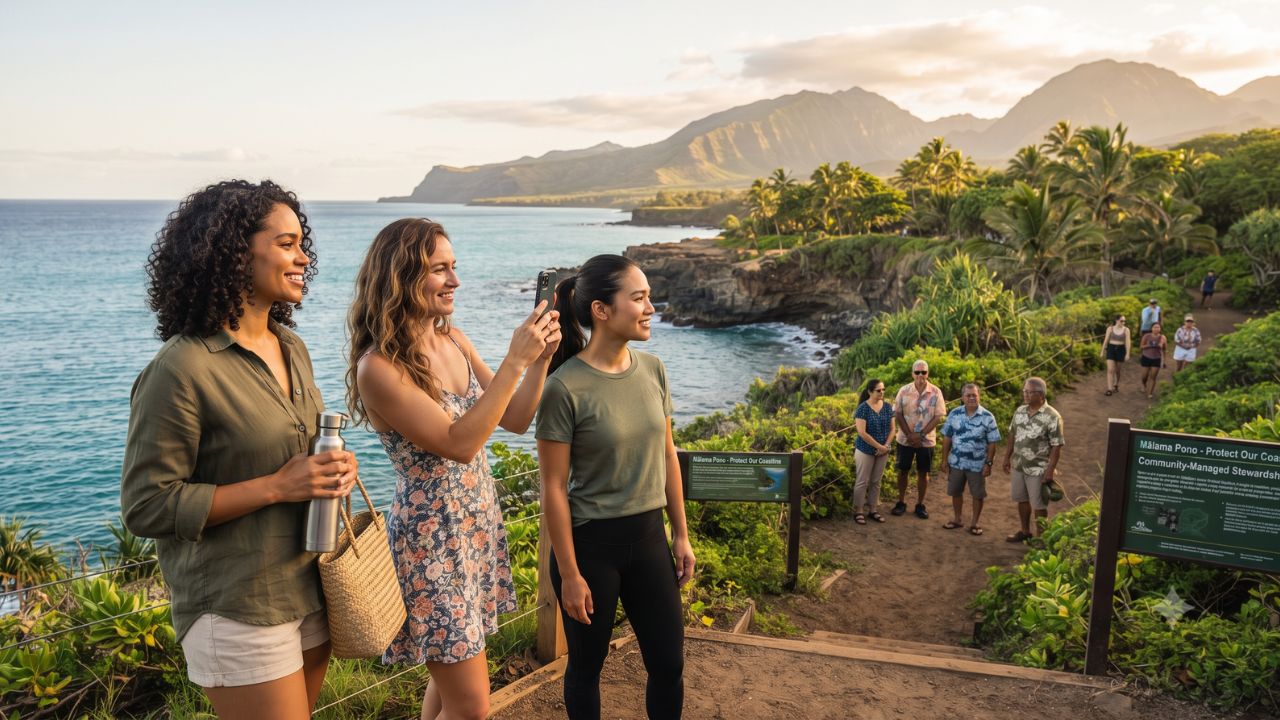
While mainstream resort hubs measure tourism success by sheer headcount, Lānaʻi logged an extraordinary average daily visitor spend of $625.25 across just 43,945 total arrivals in 2025, generating $99.80 million in economic impact without overburdening its island resources. This striking data underscores a statewide revolution codified in the Hawaiʻi Tourism Authority 2026–2028 Destination Management Action Plans (DMAPs). Moving decisively away from mass promotion, the Hawaiian Islands are establishing a world-leading model of regenerative tourism rooted in indigenous stewardship (mālama ʻāina) and resident-guided access.
Rather than treating islands as interchangeable vacation backdrops, this community-led framework recognizes that distinct ecosystems require tailored management. Across Molokaʻi, Kauaʻi, and Lānaʻi, travelers encounter an evolved travel ethos where responsible behavior and cultural respect are the primary prerequisites for entry.
Island by Island: Inside the 2026–2028 Action Plans and Economic Metrics
Official data from the Hawaiʻi Tourism Authority outlines distinct operational priorities across each island ecosystem:
- Molokaʻi (Community-Preserved Sanctuary): Recording 30,239 annual visitor arrivals and $28.80 million in preliminary 2025 visitor expenditure, Molokaʻi maintains the lowest-density visitor profile in the main archipelago. The 2026–2028 plan emphasizes guided cultural access, protection of ancestral subsistence fishing grounds, and resident-led educational programs that deter unguided mass recreation.
- Lānaʻi (High-Yield Stewardship): Generating $99.80 million in visitor expenditure from 43,945 arrivals, Lānaʻi achieved the highest average daily visitor expenditure in the state at $625.25 per day. The island’s plan focuses on proactive infrastructure planning, high-end conservation voluntourism, and managing sensitive historical sites like Keahiakawelo before overcrowding can occur.
- Kauaʻi (Mitigating Site-Specific Strain): Capturing approximately $2.93 billion in 2025 visitor expenditures with an average daily visitor spend of $281.25, the Garden Isle balances high economic yield with active crowd-mitigation measures. The Kauaʻi DMAP directs resources toward protecting delicate northern coastal valleys, regulating rental vehicle flows, and enforcing timed reservations at high-demand recreation sites.
What Makes These Three Islands Culturally and Geographically Distinct
Each island offers a deeply contrasting relationship between local communities and their surrounding environment:
Molokaʻi: Ancient Fishponds and Unbroken Lineage
Molokaʻi remains the spiritual heart of Native Hawaiian cultural independence. Along its shallow southern reef flats lie dozens of centuries-old stone fishponds (loko iʻa), ingenious marine aquaculture structures engineered by ancient Hawaiians to trap and nurture fish sustainably. On the island's eastern end, Halawa Valley represents one of the oldest continuously inhabited Polynesian settlements in the archipelago, where resident families lead visitors through taro patches (loʻi) and sacred waterfalls while sharing oral histories.
Lānaʻi: Pine Ridges and Ocean Solitude
Dominated by Cook Island pines planted in the early 20th century to capture cloud moisture for the central aquifer, Lānaʻi feels worlds apart from urban Honolulu. Its remote northwest coastline features the eerie red-rock lunar terrain of Keahiakawelo (Garden of the Gods) and the deserted expanse of Polihua Beach, where strong ocean currents give way to peaceful humpback whale watching from shore during winter months.
Kauaʻi: Carved Canyons and Living Coral Reefs
As the oldest major island in the chain, Kauaʻi has been sculpted by millions of years of rainfall into the dramatic fluted sea cliffs of the Nāpali Coast and the 3,000-foot-deep chasm of Waimea Canyon. In the north, protected under the Hawaiʻi Department of Land and Natural Resources, the Hāʻena State Park reservation system shields coral reefs and ancient burial sites from uncontrolled vehicle congestion.
Visitor Insider Tips for Traveling Responsibly in Hawaiʻi
- Mandatory Advance Reservations for Priority Parks: On Kauaʻi, visiting Hāʻena State Park (gateway to the Kalalau Trail and Keʻe Beach) requires booking a park shuttle or entry voucher up to 30 days in advance. Unregistered rental cars are turned away at the park entry gates.
- Support Native Hawaiian-Owned Enterprises: Prioritize bookings with certified Native Hawaiian cultural guides, agricultural tours, and local farmers' markets. In Molokaʻi, hire authorized cultural stewards when visiting historic valleys rather than navigating unmarked private dirt trails.
- Strict Coral Reef Protection Laws: Hawaiʻi state law mandates the exclusive use of mineral-based, non-nano zinc oxide and titanium dioxide sunscreens. Chemical sunscreens containing oxybenzone or octinoxate are strictly outlawed to protect coral colonies from bleaching.
- Navigating Inter-Island Ferry and Air Links: Travel between Maui and Lānaʻi via the daily Expeditions passenger ferry from Lahaina/Māʻalaea harbor. When flying to Molokaʻi, book commuter propeller flights through regional carriers into Hoʻolehua Airport (MKK), checking baggage weight restrictions in advance.
- Cultural Etiquette Regarding Sacred Sites (Heiau): Never move, stack, or wrap rocks in ti leaves at historical ruins, stone platforms (heiau), or mountain ridges. Observe all posted kapu (prohibited/sacred) signage and keep a respectful distance from resting Hawaiian monk seals and green sea turtles (honu).
Cultural and Environmental Context
The transition toward destination management represents an urgent response to decades of overtourism that strained local housing, freshwater aquifers, and public roadways.
By shifting metrics from volume to economic value, community-led tourism directly finances ecological restoration. On Kauaʻi, park fees collected at Hāʻena fund invasive weed eradication and native forest revegetation along stream banks. On Molokaʻi, youth conservation corps are employed to rebuild damaged basalt walls of ancient fishponds, revitalizing traditional food security.
Furthermore, integrating visitors into community workdays (mālama experiences)—such as clearing invasive mangrove from wetland taro fields or participating in native koa tree planting—fosters authentic, reciprocal relationships between travelers and island residents, ensuring that Hawaiian heritage thrives for future generations.
FAQ: Visiting Hawaiʻi Under the DMAP Guidelines 2026
What is a Destination Management Action Plan (DMAP)?
A DMAP is a community-driven strategic plan created by the Hawaiʻi Tourism Authority to manage tourism sustainably, prioritizing resident wellbeing and environmental protection over arrival volume.
Which Hawaiian island has the highest average daily visitor spending?
Lānaʻi recorded the state's highest average daily visitor expenditure in 2025 at $625.25 per person.
Do I need advance reservations to hike on Kauaʻi?
Yes. Popular state recreation areas like Hāʻena State Park and sections of the Kalalau Trail require advance digital parking or shuttle reservations.
Can tourists visit Molokaʻi independently?
Yes, but visitors are strongly encouraged to book locally guided cultural tours and respect community guidelines regarding private lands and sensitive historic sites.
Across the red dirt ridges of Lānaʻi and the ancient taro terraces of Molokaʻi, Hawaiʻi demonstrates that the true essence of travel lies in leaving a place better than you found it.
Related Travel Guides
Disclaimer
This article is for informational and educational purposes only. It does not constitute legal, financial, or professional advice. While we strive to provide accurate and up-to-date information, travel policies, regulations, and conditions change rapidly. Always verify information with official sources before making travel decisions. Nomad Lawyer makes no representations about the accuracy, reliability, completeness, or suitability of the information provided. Readers should consult qualified professionals for advice specific to their circumstances. The views expressed in this article are those of the author and do not necessarily reflect the views of Nomad Lawyer.
Preeti Gunjan
Contributor & Community Manager
A passionate traveller and community builder. Preeti helps grow the Nomad Lawyer community, fostering engagement and bringing the reader experience to life.
Learn more about our team →