
Mapping Risk: A Localized Guide to 2026 South American Travel Alerts
Ecuador reports 39.1 homicides per 100,000 people. Compare travel risks, security hotspots, and travel advisories in Venezuela, Brazil, and Peru.

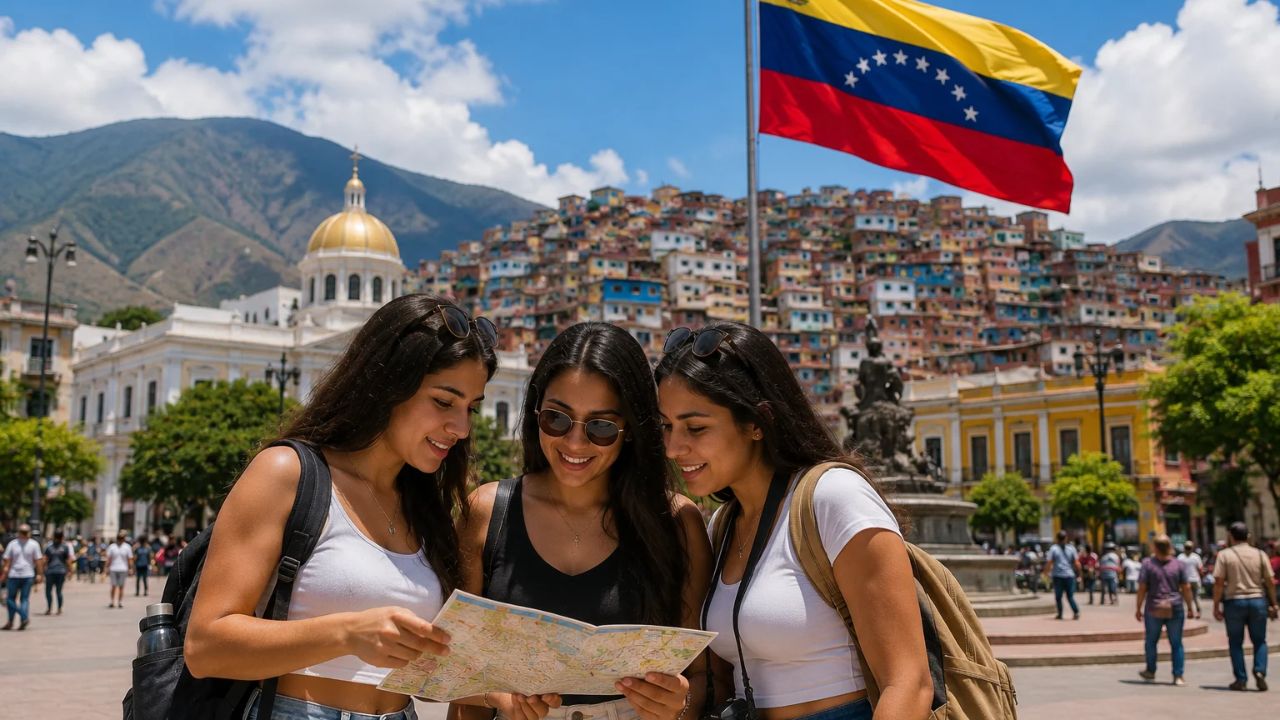
Image generated by AI
Ecuador reports a rate of 39.1 homicides per 100,000 people, highlighting a deeply divided security picture in South America where travel advisories require highly localized planning. While traditional tourist hubs like Machu Picchu and the Galápagos remain popular, specific border areas and urban neighborhoods demand extreme caution.
Evolving Travel Planning in South America
A significant shift in international travel planning focuses on highly localized risk maps. Instead of treating entire nations as uniform safety zones, global advisories divide destinations by regions, provinces, or neighborhoods. This approach is essential in South America, where safety conditions can vary dramatically between a resort community, a city center, and a remote border corridor.
By using localized data, travelers can explore popular cultural and natural attractions while avoiding high-risk zones. This strategy supports regional hospitality economies by ensuring that tourism continues in stable districts, while helping visitors make informed route and transport decisions before departure.
Analyzing Crime Indicators Across the Continent
Official security metrics and homicide rates show the variation in crime levels across the region:
- Ecuador: Approximately 39.1 homicides per 100,000 people in 2024, driven by organized crime in coastal cities.
- Brazil: Around 20.1 homicides per 100,000 people in 2024, showing a contrast between safer tourist zones and high-crime urban areas.
- Guyana: Around 14.3 murders per 100,000 people in 2024, with risks concentrated in specific cities.
- Peru: Around 10.7 estimated homicides per 100,000 people in 2025, with localized risks near border regions.
- Argentina: Around 3.6 homicides per 100,000 people in 2025, representing a lower-risk destination.
- Venezuela: The government reported a rate of 2.4 per 100,000 in 2025, though international authorities dispute the reliability of this figure.
These numbers demonstrate why national statistics alone cannot explain the safety profile of a destination. Political stability, the presence of emergency services, and local support networks are equally important factors.
High-Risk Zones: Venezuela and Colombia
Venezuela represents one of the most serious travel warnings in South America. The country faces violent crime, kidnapping, instability, and limited emergency response capacity, resulting in strong nationwide advisories:
- Venezuela Hotspots: Border areas, rural Bolívar, Guárico, Táchira, and Caracas transport routes. Travelers in Caracas must use trusted private airport transfers and avoid isolated neighborhoods.
Colombia remains a highly popular destination, attracting millions of visitors to its coffee regions and Caribbean coast. However, security concerns remain significant in specific departments:
- Colombia Hotspots: Cauca, Arauca, Norte de Santander, Buenaventura, Tumaco, and border regions.
- Urban Centers: Bogotá, Medellín, and Cali require careful planning to avoid street robbery and scams, though standard tourist zones remain active.
Ecuador and Guyana: Regional Contrasts
Ecuador has experienced an increase in gang violence linked to drug trafficking, yet the security situation is concentrated in specific coastal and border areas:
- Ecuador Hotspots: Guayaquil, Durán, Esmeraldas, coastal shipping regions, and border sectors. Quito's historic center and the Galápagos Islands continue to welcome travelers under normal safety precautions.
Guyana has gained attention for its nature tourism potential, but security concerns remain in urban areas:
- Guyana Hotspots: Georgetown (the capital, especially crowded markets and transport zones), New Amsterdam, and border zones.
Brazil, Bolivia, and Peru: Targeted Advisories
Brazil, Bolivia, and Peru continue to welcome international visitors, but require regional awareness:
- Brazil: Major beach areas and tourist districts remain open. However, travelers are advised to avoid Rio de Janeiro's Complexo da Maré and Complexo da Penha due to armed clashes, and to exercise caution along western Amazonas river routes due to piracy.
- Bolivia: Protests and roadblocks caused transport disruptions in 2026. The Chapare region in Cochabamba Department, Villa Tunari, and the Yungas region are noted for drug-related crime.
- Peru: Cusco and Machu Picchu continue to operate safely. However, the VRAEM region is under a strict travel warning due to crime and terrorism, and increased police presence is active in Lima and Callao.
Ecotourism and Community-Based Safety
For the visitor, the real impact of localized safety planning is the ability to support responsible, community-based ecotourism operators. Staying at registered lodges, booking tours with licensed local guides, and using authorized transport networks ensures that travel spending supports local communities while keeping you within monitored safety corridors.
Furthermore, regional tourism boards coordinate with national police to protect tourist pathways, such as Peru's Sacred Valley or Colombia's coffee triangle, making preparation and local coordination key to a successful trip.
For example, you can explore the changing dynamics of US Cities Drive Global Tourism Through BBQ, Jazz, Sports, and Authentic Heritage to see how regional pride is shaping travel. For budget-conscious travelers, aligning slow city travel with municipal transit options mirrors similar regional initiatives, such as the Free Admission at Select US State Parks programs. This trend is similar to the tourism growth seen in other destinations, as detailed in our guide on how Utica, New York Emerges as an Affordable Northeast Tourism Hub.
Visitor Insider Tips: Preparing for South America
To ensure a safe and successful journey across South American destinations, keep these practical tips in mind:
- Consult Official Portals Daily: Check the US Department of State (Bureau of Consular Affairs) and the UK Foreign Office (FCDO) travel advisories for real-time updates on your specific route.
- Pre-Arrange Airport Transit: When arriving at night in hubs like Caracas, Guayaquil, or Cali, pre-book a private transfer through your hotel rather than using unregulated street taxis.
- Stay Within Tourist Corridors: When visiting historic cities like Lima, Rio de Janeiro, or Quito, stick to designated tourist routes and avoid walking into neighboring areas at night.
- Register with Your Embassy: Use systems like the US Smart Traveler Enrollment Program (STEP) to register your itinerary, helping consular services locate you in an emergency.
- Secure Specialized Travel Insurance: Verify that your insurance policy covers emergency medical evacuation from remote areas like the Amazon basin or high-altitude Andean trails.
Long-Term Outlook for Regional Travel Safety
The long-term outlook for South American travel is focused on increasing police presence in tourist zones and expanding regional tourism security networks. As governments invest in securing airport corridors and primary transit routes, destination confidence is expected to stabilize.
By balancing safety updates with local community tourism development, South American destinations can continue to share their natural and cultural heritage with global travelers.
FAQ
What are the highest-risk countries in the 2026 travel alert?
Venezuela, Colombia, and Guyana are listed with the most significant safety and crime warnings, requiring the highest level of preparation.
Is it safe to visit Machu Picchu and the Galápagos?
Yes. These primary tourism zones remain separate from high-risk border regions and urban crime hotspots, operating under standard safety conditions.
Which regions in Brazil are under travel restrictions?
Rio de Janeiro's Complexo da Maré and Complexo da Penha are under strict warnings, along with western Amazonas river routes.
What is the VRAEM region in Peru?
The VRAEM (Valley of the Apurímac, Ene, and Mantaro Rivers) is a remote region under a travel warning due to drug trafficking and security risks.
Keep track of the safety advisories and regional updates shaping travel in South America.
Related Travel Guides
Disclaimer
This article is for informational and educational purposes only. It does not constitute legal, financial, or professional advice. While we strive to provide accurate and up-to-date information, travel policies, regulations, and conditions change rapidly. Always verify information with official sources before making travel decisions. Nomad Lawyer makes no representations about the accuracy, reliability, completeness, or suitability of the information provided. Readers should consult qualified professionals for advice specific to their circumstances. The views expressed in this article are those of the author and do not necessarily reflect the views of Nomad Lawyer.
Raushan Kumar
Founder & Lead Developer
Full-stack developer with 11+ years of experience and a passionate traveller. Raushan built Nomad Lawyer from the ground up with a vision to create the best travel and law experience on the web.
Learn more about our team →