
Global Alliances: How Over 6 Million Visitors Driven Ireland's Tourism Boom
Over 6 million international tourists contributed nearly €5.7 billion to Ireland's economy. Explore our guide to Dublin, Kerry, and the South West.

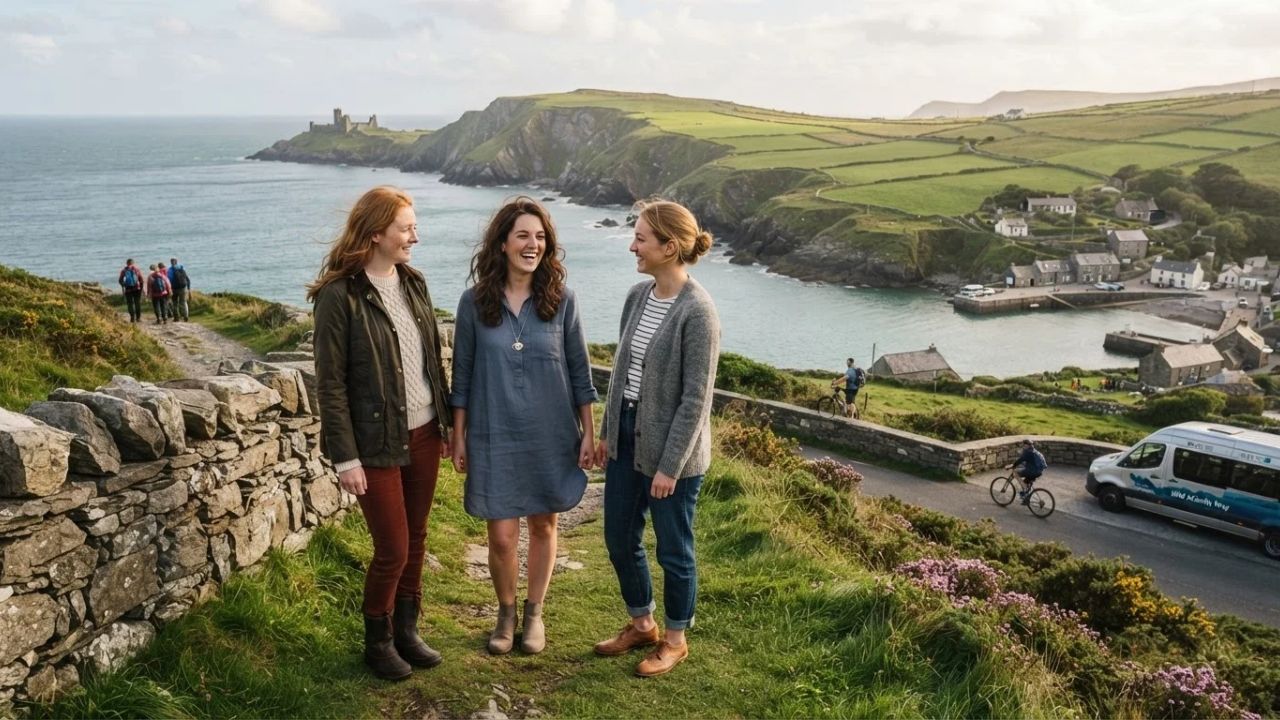
Image generated by AI
More than 6 million international travelers have generated nearly €5.7 billion in revenue for Ireland’s tourism sector, driving a historic economic boom. Powered by high-spending visitors from the United States and consistent flows from the United Kingdom and Europe, this travel surge supports communities across Dublin and the South West.
The Distribution of Ireland's Tourism Growth
For decades, international travel to Ireland was heavily centered around short city breaks in Dublin. However, a significant transformation has occurred as the country promoted regional exploration. While Dublin remains the primary global gateway, regions such as Kerry, Cork, Galway, and Donegal are capturing growing visitor spending.
This shift has created a more resilient and diverse tourism economy. Instead of concentrating visitor volume in the capital, travelers are exploring the Wild Atlantic Way and rural communities. This distribution of visitors supports small hotels, local guesthouses, family-owned restaurants, and regional transport providers, helping to preserve rural heritage while funding community development projects.
Analyzing the €5.7 Billion Tourism Windfall
Data tracking international inbound tourism shows the scale of Ireland's visitor economy:
- Total Volume: Over 6 million international tourists visited Ireland during the season.
- Direct Economic Contribution: Overseas visitors contributed nearly €5.7 billion to the tourism sector.
- Economic Reach: Spending has grown across accommodation, local dining, regional transport services, and cultural heritage attractions, benefiting communities nationwide.
This record performance highlights how a coordinated global marketing strategy can translate passenger arrivals into broad-based economic growth.
Core Markets: The United States and the United Kingdom
Ireland's tourism sector is supported by a global partnership of source markets, with the United States and the United Kingdom serving as the primary drivers of growth:
- The United States: American travelers represent one of the country's most valuable demographics. American visitors typically book longer holidays, stay in premium accommodations, and travel extensively through regional counties. Drawn by heritage connections and coastal views, their spending supports local tourism operators along the Wild Atlantic Way, in Cork, and in Kerry.
- The United Kingdom: The UK remains one of Ireland's most stable tourism partners. Proximity, frequent flight and ferry connections, and family links create a consistent flow of visitors throughout the year. British travelers contribute strongly to Dublin city breaks, coastal festivals, and rural weekend escapes.
Continental Europe and Long-Haul Discoveries
Beyond the primary source markets, European and long-haul travelers add diversity to Ireland’s visitor profile:
- Germany: German travelers are key contributors to the outdoor and nature-based tourism sectors. Drawn to Ireland's walking routes, national parks, and green countryside, they often hike through Kerry, Cork, and Galway, directly supporting rural businesses.
- France: French visitors show strong interest in castles, heritage sites, literature connections, and local cuisine, supporting cultural attractions and regional tour operators.
- Canada: Canadian travelers often focus on ancestry travel and extended road trips, booking longer stays that distribute revenue across multiple counties.
- Spain and Italy: Travelers from Southern Europe are showing growing interest in city breaks, coastal exploration, and cultural festivals.
- Australia and New Zealand: Long-haul visitors from the Pacific region represent high-value travelers who book multi-week road trips, exploring remote villages and outdoor adventures.
Dublin and the South West: Dual Engines of Irish Tourism
Ireland's travel economy is anchored by two complementary regions:
- Dublin: The capital serves as the primary entry point, capturing spending on hotels, shopping, museum admissions, and business events. Dublin provides global connectivity and urban culture before visitors travel to the countryside.
- The South West: Regions including Kerry, Cork, Killarney, and the Dingle Peninsula represent the scenic heartland. This area attracts visitors who want to experience coastal routes, historical ruins, and traditional Irish music, keeping tourism spending within local communities.
Sustainable Regional Tourism and Conservation
For the visitor, the real impact of exploring regional Ireland is the support provided to rural communities and conservation projects. By traveling along the Wild Atlantic Way and staying in family-run guesthouses, visitors help distribute economic benefits to areas outside the major cities.
Furthermore, tourism revenues help fund regional conservation initiatives managed by official heritage bodies. These funds support trail maintenance in national parks, the preservation of historic castles, and local craft guilds that protect traditional skills. Practicing responsible travel—such as using public transport when exploring national parks and respecting local wildlife—helps preserve Ireland's green landscapes for future generations.
For example, you can explore the changing dynamics of US Cities Drive Global Tourism Through BBQ, Jazz, Sports, and Authentic Heritage to see how regional pride is shaping travel. For budget-conscious travelers, aligning slow city travel with municipal transit options mirrors similar regional initiatives, such as the Free Admission at Select US State Parks programs. This trend is similar to the tourism growth seen in other destinations, as detailed in our guide on how Utica, New York Emerges as an Affordable Northeast Tourism Hub.
Visitor Insider Tips: Planning Your Irish Escape
To plan a successful and sustainable trip to Ireland, keep these practical tips in mind:
- Travel During Shoulder Seasons: Plan your visit during the spring (April to May) or autumn (September to October). The weather remains suitable for sightseeing, and popular destinations like Killarney and Galway are less crowded than during July and August.
- Utilize Public Rail Links: Use Irish Rail (Iarnród Éireann) to travel between Dublin, Cork, Galway, and Kerry. It is a scenic, sustainable transit option that connects major regional hubs.
- Book Heritage Sites in Advance: Popular cultural attractions—such as the Rock of Cashel, the Book of Kells in Dublin, or boat tours to the Skellig Islands—have limited capacity. Reserve your tickets online before arrival.
- Dine at Local Cafes: Sample traditional specialties like soda bread, seafood chowder, and local cheeses at independent cafes and farm markets to support regional food producers.
- Prepare for Coastal Weather: If exploring the Wild Atlantic Way, pack windproof layers and waterproof gear. Coastal weather can change rapidly, especially in western counties like Galway and Donegal.
Long-Term Outlook for Irish Tourism
The long-term outlook for Ireland's visitor economy is positive, supported by the ongoing global demand for authentic cultural and nature-based travel. By continuing to promote regional destinations and investing in sustainable transport links, the country is well-positioned to maintain its status.
As international travelers increasingly seek meaningful journeys that support host communities and protect natural landscapes, Ireland's regional tourism model provides a sustainable template for growth.
FAQ
How many tourists visited Ireland during the boom?
More than 6 million international tourists visited Ireland, driving record economic growth.
What was the economic impact of inbound tourism?
Overseas visitors contributed nearly €5.7 billion to Ireland's tourism economy, supporting hospitality, retail, and transit sectors.
Which countries are the primary sources of tourism for Ireland?
The United States and the United Kingdom are the leading source markets, complemented by Germany, France, Canada, and Pacific markets.
What is the Wild Atlantic Way?
The Wild Atlantic Way is a scenic driving and touring route spanning 2,500 kilometers along Ireland's western coast, connecting Cork to Donegal.
Stay updated on the global trends and economic metrics shaping international travel.
Related Travel Guides
Disclaimer
This article is for informational and educational purposes only. It does not constitute legal, financial, or professional advice. While we strive to provide accurate and up-to-date information, travel policies, regulations, and conditions change rapidly. Always verify information with official sources before making travel decisions. Nomad Lawyer makes no representations about the accuracy, reliability, completeness, or suitability of the information provided. Readers should consult qualified professionals for advice specific to their circumstances. The views expressed in this article are those of the author and do not necessarily reflect the views of Nomad Lawyer.
Raushan Kumar
Founder & Lead Developer
Full-stack developer with 11+ years of experience and a passionate traveller. Raushan built Nomad Lawyer from the ground up with a vision to create the best travel and law experience on the web.
Learn more about our team →