
Uttarakhand Integrates Baba Baukhnag Dham Near Silkyara Tunnel into Official 2026 Religious Tourism Circuit
Uttarakhand expands its spiritual tourism map by officially adding Baba Baukhnag Dham near the Silkyara Tunnel to its religious circuit to diversify pilgrimage traffic.

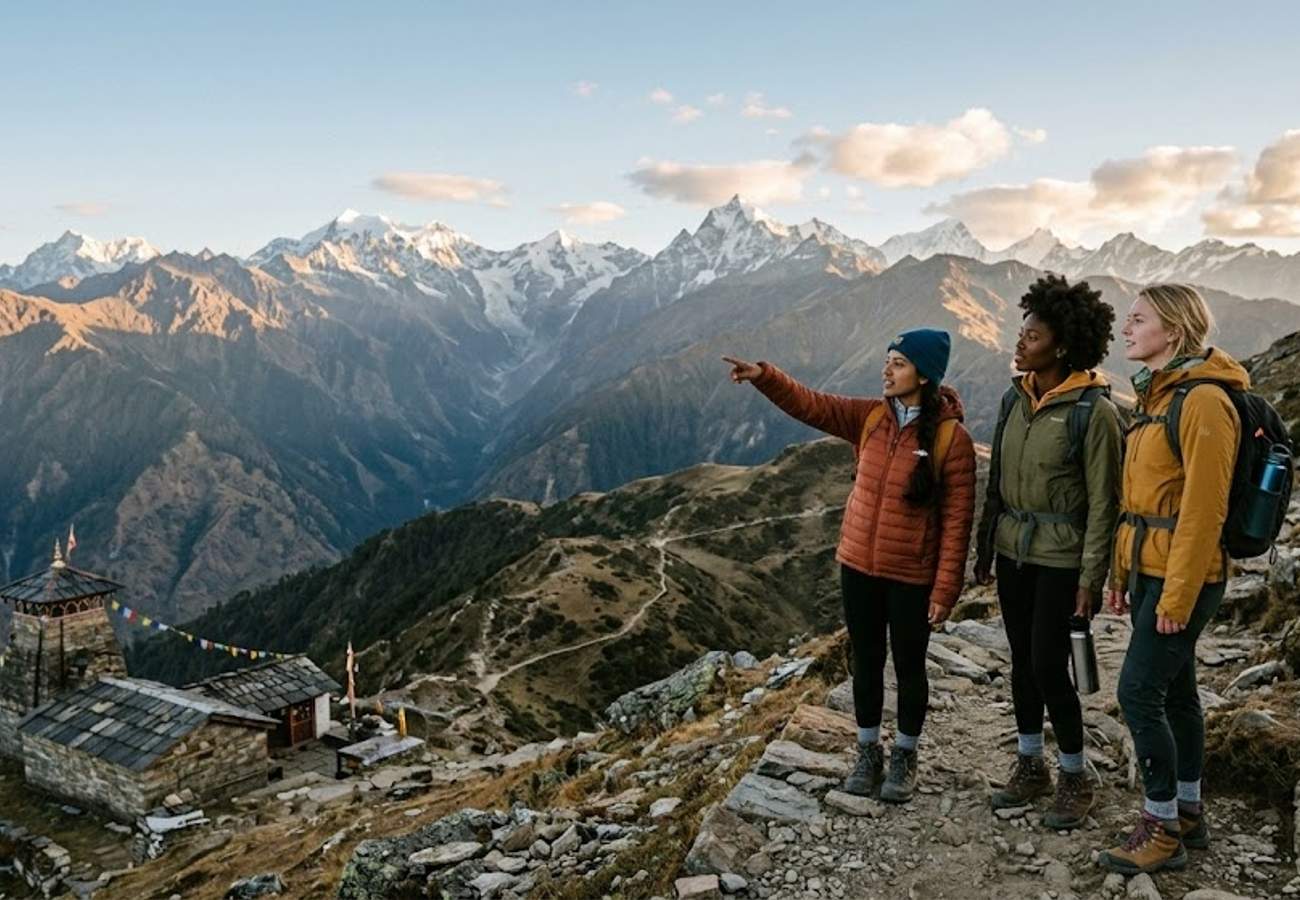
Image generated by AI
The Uttarakhand government has officially incorporated the Baba Baukhnag Dham shrine into its religious tourism network, opening the site to pilgrims and spiritual travelers. The shrine is located in the vicinity of the Silkyara Tunnel in the Uttarkashi district.
The initiative was announced by Satpal Maharaj, Minister of Tourism and Religious Affairs, following a formal request from the Shri Baba Baukhnag Dev Samiti. This move is part of a strategic effort to expand the state's spiritual offerings beyond the traditional "Char Dham" and major urban religious hubs.
Site Details and Spiritual Significance
Baba Baukhnag Dham is centered around the place of penance of Baba Baukhnag, located at Baukh Tibba. The site is a focal point of faith for local devotees and is characterized by its high-altitude Himalayan setting.
A significant religious fair is held at Baukh Tibba every third year, which historically attracts a large volume of worshippers. The official recognition by the Tourism Department is expected to facilitate the transition from a local shrine to a regulated tourism destination.
Regional Impact and Infrastructure Breakdown
The integration of this site into the official circuit is expected to trigger several operational and economic shifts in the Uttarkashi region:
- Geographic Synergy: The shrine's proximity to the Silkyara Tunnel—which gained global prominence during the 2023 rescue of 41 trapped workers—provides an existing point of interest for visitors.
- Economic Diversification: Increased footfall is projected to benefit local providers of accommodation, transport, food services, and traditional handicrafts.
- Infrastructure Requirements: Official status mandates the development of improved access roads, sanitation facilities, and organized pilgrimage management systems.
- Tourism Distribution: By promoting lesser-known sites, the government aims to reduce the seasonal congestion typically seen at Kedarnath, Badrinath, Gangotri, Yamunotri, Haridwar, and Rishikesh.
Passenger Advisory: Visiting High-Altitude Shrines
Travelers planning to visit newly recognized sites like Baba Baukhnag Dham should be aware of the specific challenges associated with Himalayan spiritual tourism.
Logistics and Access Visitors should verify road conditions via local Uttarkashi district administration updates. Given the difficult terrain, travel is highly seasonal and subject to weather-related closures.
Health and Safety Due to the elevation at Baukh Tibba, travelers are advised to monitor for symptoms of Acute Mountain Sickness (AMS). It is recommended to maintain a slow ascent and ensure adequate hydration.
Sustainable Travel Guidelines As the site is in an environmentally sensitive zone, visitors must adhere to "Leave No Trace" principles. The Uttarakhand government is currently evaluating visitor capacity limits to prevent ecological degradation.
Industry Analyst View: Operational Scaling in the Himalayas
From an operational perspective, adding emerging sites to a state-wide circuit is a calculated move to decentralize tourism. By shifting a percentage of the devotee population away from the primary hubs, Uttarakhand can mitigate the risk of "over-tourism" and infrastructure collapse at the major shrines.
However, the success of this expansion depends on the government's ability to implement sustainable planning. The transition from a local pilgrimage site to a tourist destination requires a rigorous balance between increasing accessibility and preserving the spiritual sanctity and environmental integrity of the site. The connection to the Silkyara Tunnel provides a unique "dark tourism" and "spiritual tourism" hybrid appeal that could attract a broader demographic of visitors.
The expansion of the Himalayan circuit reflects a broader shift toward diversifying spiritual experiences in rural India.
Related Travel Guides
Disclaimer
This article is for informational and educational purposes only. It does not constitute legal, financial, or professional advice. While we strive to provide accurate and up-to-date information, travel policies, regulations, and conditions change rapidly. Always verify information with official sources before making travel decisions. Nomad Lawyer makes no representations about the accuracy, reliability, completeness, or suitability of the information provided. Readers should consult qualified professionals for advice specific to their circumstances. The views expressed in this article are those of the author and do not necessarily reflect the views of Nomad Lawyer.
Preeti Gunjan
Contributor & Community Manager
A passionate traveller and community builder. Preeti helps grow the Nomad Lawyer community, fostering engagement and bringing the reader experience to life.
Learn more about our team →