
Fuel Price Hike Threatens Tourism and Economy in Himachal Pradesh 2026
Recent fuel price increases spark alarm among tourism operators and residents across Himachal Pradesh's hill stations. The hike threatens local business competitiveness and household budgets in 2026.

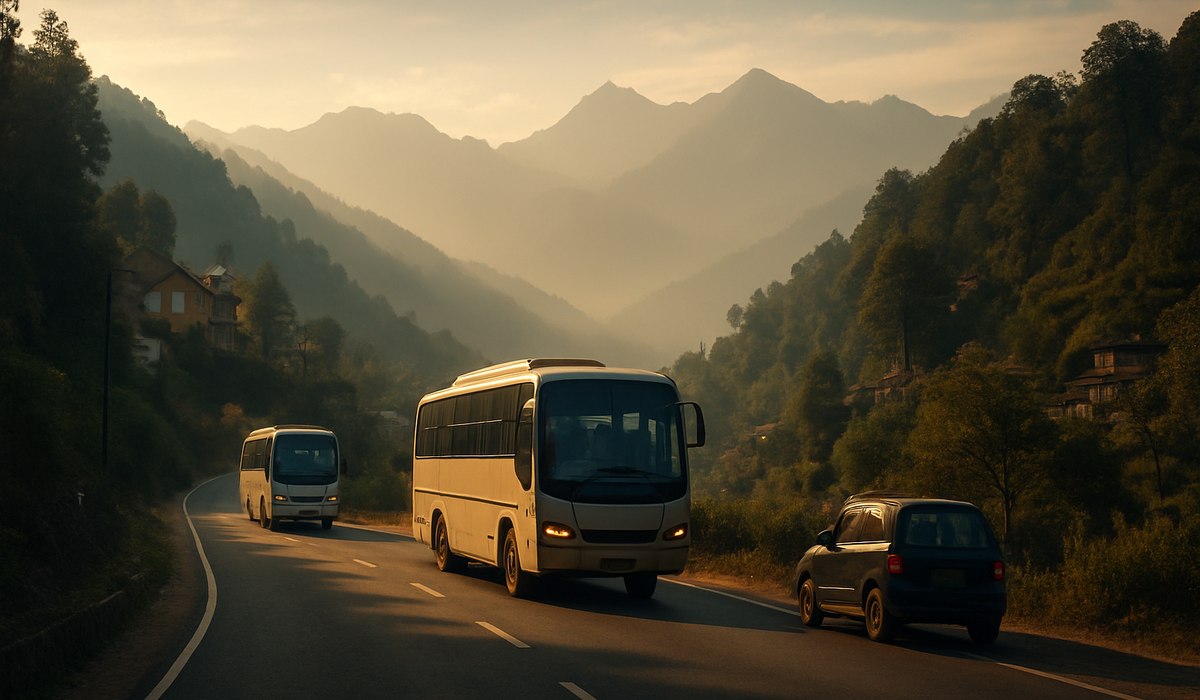
Image generated by AI
Fuel Price Hike Ignites Alarm in Himachal Pradesh Tourism Sector
Rising fuel costs have emerged as a critical concern across Himachal Pradesh's tourism landscape, particularly affecting the state capital Shimla and surrounding hill stations. Tourism operators, transportation providers, and local residents are grappling with the economic fallout as the fuel price hike compounds existing inflationary pressures on daily expenses and business operations. The surge threatens to reshape travel affordability and local economic stability across one of India's most cherished mountain destinations.
Impact on Tourism Industry and Local Businesses
The tourism sector in Himachal Pradesh faces mounting operational challenges from elevated fuel expenses. Hotel proprietors, tour operators, and hospitality managers report compressed profit margins as transportation and generator costs climb. Local businesses dependent on reliable vehicle fleets—from taxi services to delivery networks—struggle to maintain competitive pricing without sacrificing service quality.
Shimla's tourism ecosystem, which generated substantial revenue pre-2026, now confronts reduced visitor bookings as traveler budgets tighten. Mid-range accommodation providers and adventure tourism companies face difficult decisions: absorb losses or increase customer tariffs and risk demand destruction. The fuel price hike cascades through supply chains, affecting everything from restaurant deliveries to resort maintenance operations. Transport operators warn that elevated fuel surcharges may become standard practice, fundamentally altering the value proposition for domestic and international travelers considering Himachal Pradesh destinations.
Rising Cost of Living for Residents
Beyond tourism corridors, ordinary residents shoulder unprecedented financial strain. Essential commodities, heating costs for mountain communities, and public transportation expenses all reflect inflationary pressure tied directly to energy prices. Families in Shimla and peripheral towns allocate larger household budgets toward mobility and heating during winter months.
Agricultural workers and seasonal laborers dependent on daily wages find purchasing power eroding rapidly. The multiplier effect touches every socioeconomic layer—school transportation costs rise, healthcare facility operations become costlier, and education-related expenses balloon. Pensioners and fixed-income households face particular vulnerability. Government employees in Himachal Pradesh benefit from official cost-of-living adjustments, but private sector workers lack similar protections, creating widening economic disparities within mountain communities.
Stakeholder Concerns and Economic Outlook
Tourism associations, hospitality councils, and chamber of commerce representatives have publicly expressed alarm about medium-term economic viability. Stakeholders identify three critical concerns: competitive disadvantage against rival destinations like Kashmir and Northeast India; inability to absorb costs without compromising service standards; and potential tourism demand destruction if price increases prove permanent.
Travel agencies specializing in Shimla and Manali tours report declining advance bookings and requests for budget-friendly itineraries. Guides, porters, and seasonal workers fear reduced employment opportunities if visitor arrivals contract. Small-scale entrepreneurs—guesthouse operators, handicraft vendors, local transport providers—lack financial buffers to weather sustained economic headwinds. Economic analysts suggest the fuel price hike could suppress regional growth, reduce tax revenues, and ultimately constrain government investment in tourism infrastructure and rural development initiatives across Himachal Pradesh.
Government Response and Industry Calls for Action
State authorities acknowledge the crisis but face limited immediate policy levers. Officials explore temporary fuel subsidies for essential services and tourism-dependent businesses, though fiscal constraints limit intervention scale. Transportation workers have demanded emergency fuel cost compensation mechanisms and tax relief provisions.
Industry associations have formally petitioned state and central governments for targeted support packages, including fuel surcharge caps on tourism-related transport, accelerated depreciation allowances for vehicle fleets, and soft loans for affected small businesses. Tourism bodies advocate for public-private partnerships to develop energy-efficient infrastructure and promote sustainable transport solutions. Some stakeholders propose dynamic pricing mechanisms that allow proportional cost recovery without excessive end-consumer burden. Government officials indicate willingness to collaborate with industry representatives on mitigation strategies, though concrete policy announcements remain pending.
Key Data Table: Fuel Price Impact Overview
| Metric | Current Status | Impact Zone | Affected Sector |
|---|---|---|---|
| Fuel Price Increase | 8-12% above 2025 levels | All of Himachal Pradesh | Transportation, Energy |
| Tourism Booking Decline | 15-22% estimated drop | Shimla, Manali, Dalhousie | Hotels, Tour Operators |
| Transportation Surcharge | 10-18% cost addition | Inter-city travel | Taxis, Buses, Resorts |
| Hotel Operating Costs | 6-10% rise | Mountain destinations | Hospitality Industry |
| Daily Wage Impact | 3-5% reduced purchasing power | Rural communities | Laborers, Guides |
| Public Transport Fares | 4-7% increase expected | Urban hill stations | Residents, Commuters |
What This Means for Travelers
The fuel price hike reshapes travel economics for visitors planning Himachal Pradesh mountain escapes:
-
Budget adjustments: Expect accommodation and package tour pricing increases of 8-15% compared to early 2026 rates. Book advance bookings to lock current pricing before further adjustments materialize.
-
Transportation costs: Taxi surcharges and hired car services now reflect elevated fuel expenses. Consider joining group tours or using state transport corporations for budget optimization.
-
Package consolidation: Tour operators increasingly bundle services (accommodation, meals, activities) into all-inclusive packages to simplify cost absorption and pricing transparency.
-
Seasonal advantages: Visit during shoulder seasons (April, September-October) when demand remains moderate and operators offer competitive discounts to maintain occupancy.
-
Local economic impact: Higher costs directly benefit limited local businesses while potentially reducing wages for guides and support staff. Travelers should consider appropriate tipping and direct community engagement.
-
Destination switching: Some travelers redirect plans toward lower-cost alternatives, so booking popular Shimla accommodations early improves availability and secures better rates.
FAQ: Fuel Price Hike and Himachal Pradesh Travel
How significantly will my Himachal Pradesh travel costs increase due to fuel prices?
Expect overall trip costs to rise 10-18% depending on transportation intensity and accommodation type. Mountain destinations with limited accessible routes face steeper surcharges than roadside locations. Budget travelers should anticipate 12-15% increases; luxury segments may absorb costs without proportional price escalation.
Will the fuel price hike affect flight connectivity to Shimla or nearby airports?
Chandigarh International Airport remains the primary gateway; domestic flights experience fuel surcharges typical across Indian aviation. Flight fares to regional airports may increase 5-8%, though competition limits dramatic escalation. Direct rail alternatives from Delhi offer cost-stable transportation options.
Are tourism operators offering discounts to compensate for fuel-driven price increases?
Some operators launched limited promotional packages for early-bird bookings and group reservations. However, industry-wide discounting remains restrained as margins compress. Corporate travel packages and offline agency negotiations may yield modest discounts.
Will infrastructure projects in Himachal Pradesh face delays due to fuel cost pressures?
Road development and tourism infrastructure projects may experience delayed timelines if fuel costs persist. Government-funded initiatives continue despite budgetary pressures, though construction material transportation costs increase proportionally.
Related Travel Guides
Disclaimer
This article is for informational and educational purposes only. It does not constitute legal, financial, or professional advice. While we strive to provide accurate and up-to-date information, travel policies, regulations, and conditions change rapidly. Always verify information with official sources before making travel decisions. Nomad Lawyer makes no representations about the accuracy, reliability, completeness, or suitability of the information provided. Readers should consult qualified professionals for advice specific to their circumstances. The views expressed in this article are those of the author and do not necessarily reflect the views of Nomad Lawyer.
Raushan Kumar
Founder & Lead Developer
Full-stack developer with 11+ years of experience and a passionate traveller. Raushan built Nomad Lawyer from the ground up with a vision to create the best travel and law experience on the web.
Learn more about our team →