
Utah Traveler Alleges United Airlines Mishandled In-Flight Oxygen Needs During 2026 Flight
A Utah man claims United Airlines failed to provide promised supplemental oxygen during a flight, sparking a debate over airline medical protocols and passenger safety at altitude.

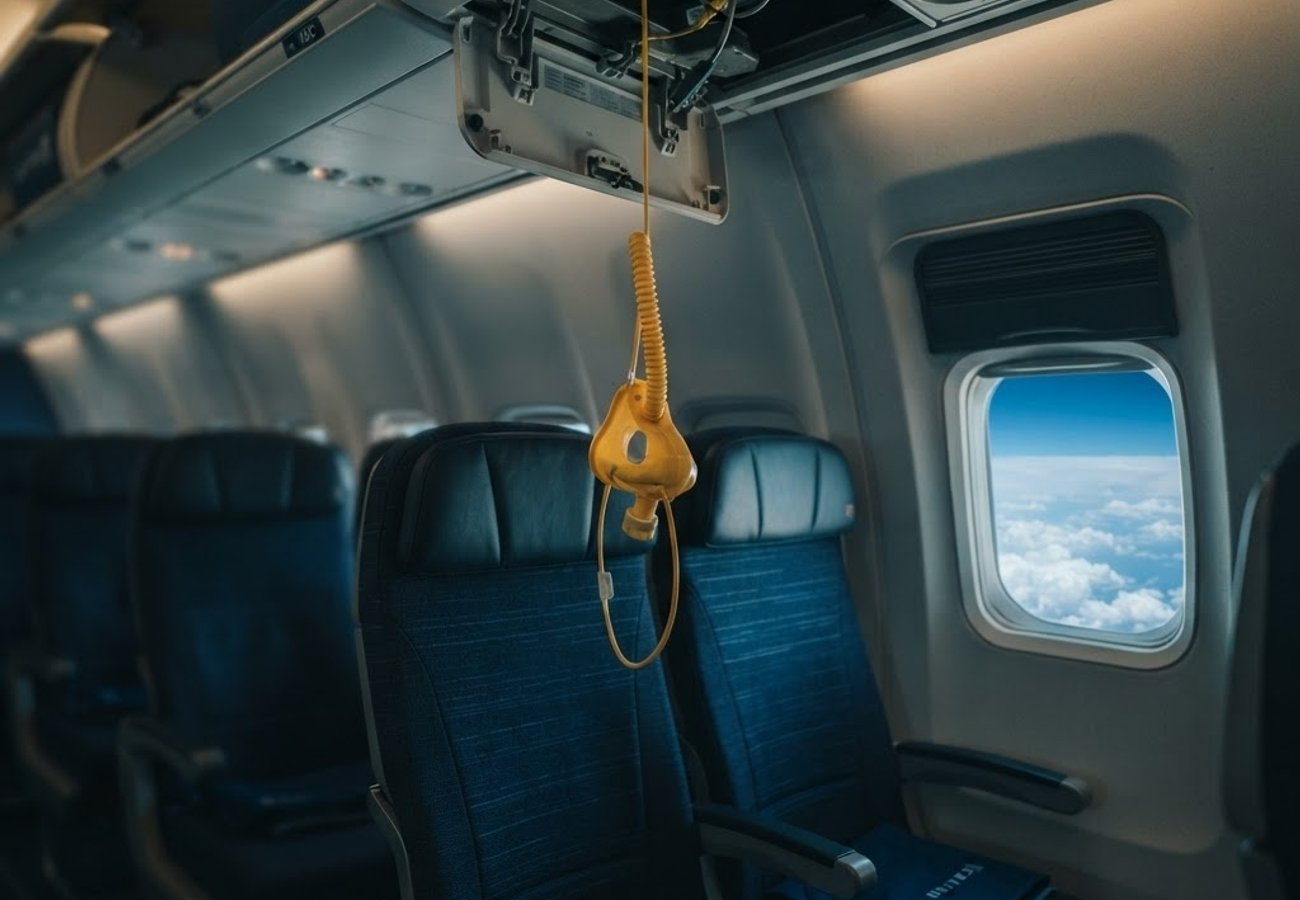
Image generated by AI
A Utah traveler alleges that United Airlines failed to provide critical supplemental oxygen during a recent flight, claiming the lapse led to lingering health complications.
The incident has reignited a necessary conversation regarding the gap between airline medical policies and the actual execution of care by cabin crews at cruising altitude.
The Gap Between Policy and Cabin Execution
A resident of Utah, living with a preexisting respiratory condition, claims that United Airlines failed to deliver on medical arrangements made prior to departure. According to reports, the passenger provided the airline with full medical documentation and coordinated oxygen assistance before the flight. However, once the aircraft reached cruising altitude, the passenger began experiencing shortness of breath and light-headedness.
The traveler maintains that when he requested the promised oxygen support, the crew's response was disorganized and slow. This delay left him without adequate respiratory assistance for a significant period, which he believes contributed to a decline in his health following the landing. Subsequent medical evaluations suggested that the episode at altitude may have aggravated his underlying condition, leading to prolonged chest discomfort, fatigue, and shortness of breath.
Navigating Federal Oxygen Regulations
The dispute highlights a complex regulatory environment. Under federal rules, major carriers like United generally prohibit passengers from using their own compressed oxygen tanks in the cabin due to safety risks. Instead, airlines provide approved portable oxygen systems, provided the passenger submits clinician-verified forms specifying flow rates and usage periods in advance.
For the visitor, the real impact is a dangerous ambiguity in expectations. Many passengers assume that submitted paperwork guarantees a dedicated device at their seat. In reality, airlines often view these requests through a logistical lens, while the standard emergency oxygen masks—the ones that drop from the ceiling—are designed only for rapid decompression events and are not therapeutic tools for chronic conditions.
The Physiological Risk of Altitude
Aviation medical data confirms that cabin pressure at cruising altitude corresponds to a much higher elevation than sea level, which can trigger mild hypoxia even in healthy individuals. For those with chronic lung or heart conditions, this environment is significantly more taxing.
When response times for supplemental oxygen are delayed, symptoms of respiratory distress can intensify rapidly. The Utah case underscores the necessity for cabin crews to be trained not just in emergency decompression, but in the rapid deployment of portable oxygen for passengers with chronic respiratory reserves.
Legal and Regulatory Outlook
This incident fits into a growing pattern of scrutiny regarding how airlines handle medical needs, from mobility assistance to cardiac emergencies. Legal analysts suggest that these claims are often evaluated under a combination of domestic disability laws and international aviation agreements.
The outcome of such disputes typically hinges on whether the incident is classified as an "accident" or a failure to act according to the carrier's own written policies. Advocacy groups for accessible travel are now using these cases to push for mandatory, realistic drills for cabin crews on managing chronic health conditions in a crowded cabin environment.
Visitor Insider Tips for Medical Travel
For travelers requiring medical accommodations, relying solely on an airline's confirmation email is often insufficient. To ensure safety and compliance:
- The 48-Hour Re-Confirmation: Call the airline 48 hours before departure to verify that the medical note is attached to the specific flight segment and that the crew is notified.
- Carry Physical Copies: Always carry a hard copy of your clinician's prescription and flow rate requirements; digital copies can be inaccessible during boarding disputes.
- Request "Medical Assistance" Tagging: Ensure your booking is flagged for medical assistance, which often alerts ground staff to double-check equipment availability before the plane pushes back.
- Consult a Specialist on Hypoxia: If you have a respiratory condition, ask your doctor specifically about "cabin altitude" risks, as this differs from ground-level elevation.
Tourism and Industry Outlook
The long-term impact of these failures is a shift toward more transparent pre-flight communication. There is a growing demand for airlines to provide detailed written explanations of where equipment is stored and the exact deployment timeline for medical oxygen. As the industry moves toward more inclusive travel, the focus is shifting from mere "accommodation" to active "care management" during flight.
The divide between corporate policy and cabin reality remains a critical risk factor for passengers with chronic health needs.
Related Travel Guides
Disclaimer
This article is for informational and educational purposes only. It does not constitute legal, financial, or professional advice. While we strive to provide accurate and up-to-date information, travel policies, regulations, and conditions change rapidly. Always verify information with official sources before making travel decisions. Nomad Lawyer makes no representations about the accuracy, reliability, completeness, or suitability of the information provided. Readers should consult qualified professionals for advice specific to their circumstances. The views expressed in this article are those of the author and do not necessarily reflect the views of Nomad Lawyer.
Raushan Kumar
Founder & Lead Developer
Full-stack developer with 11+ years of experience and a passionate traveller. Raushan built Nomad Lawyer from the ground up with a vision to create the best travel and law experience on the web.
Learn more about our team →