
Delta vs United Airlines Clothing Bans: Navigating Passenger Dress Code Enforcement and Policy Shifts in 2026
Explore the contrasting dress code policies of Delta and United Airlines in 2026, highlighting how subjective 'annoyance' clauses and barefoot bans impact passenger boarding rights.

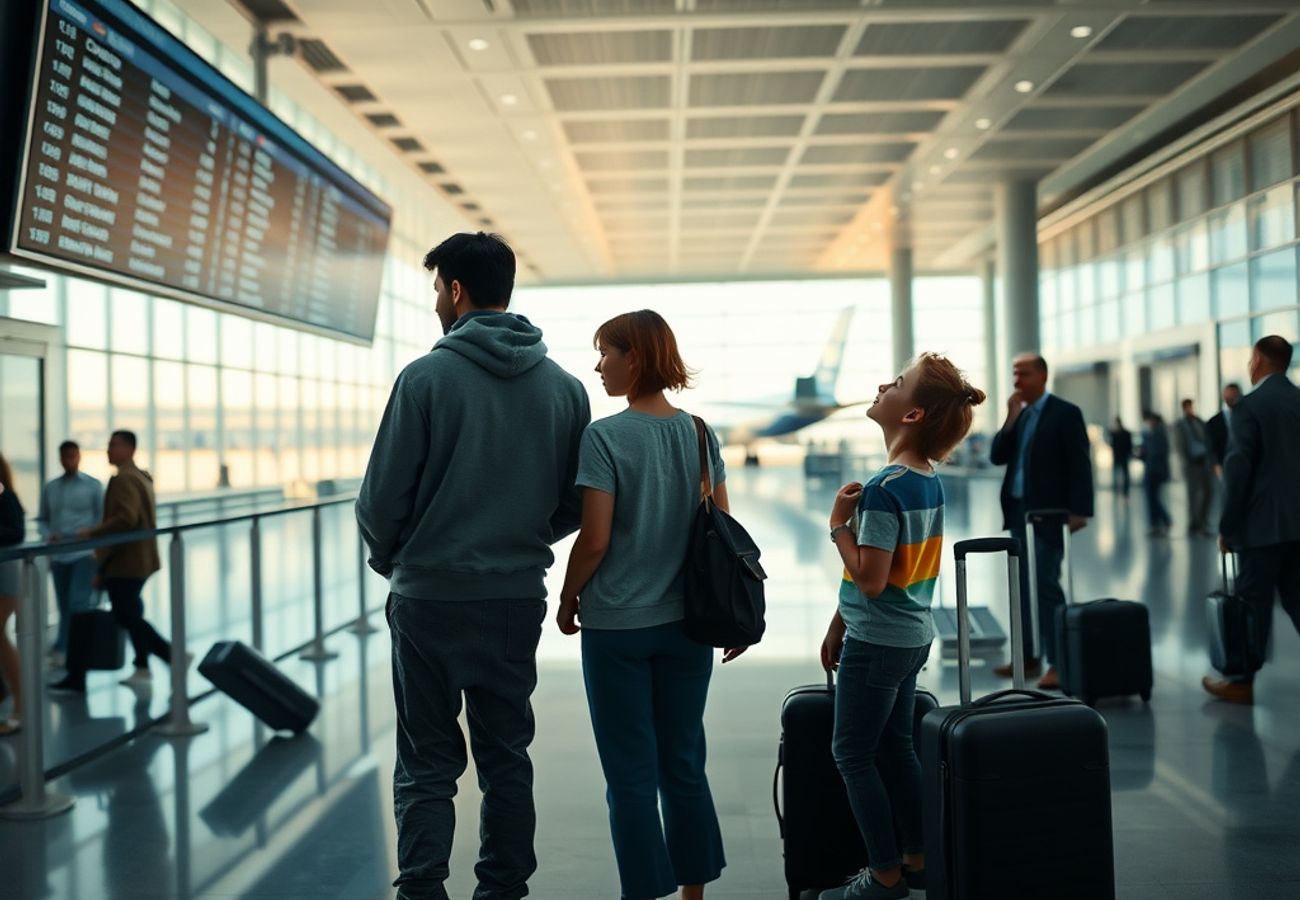
Image generated by AI
As airport fashion shifts toward extreme comfort, major carriers are tightening the rules on what constitutes acceptable attire. From barefoot bans to the debate over pajama travel, the boundary between passenger comfort and cabin decorum is being redrawn.
The modern airport terminal has become a runway for "athleisure," where crop tops, oversized pajamas, and house slippers are common. However, in 2026, the industry is seeing a pushback. U.S. Transportation Secretary Sean Duffy recently urged passengers to move away from fuzzy slippers and pajamas in favor of dressing "with some respect," suggesting that a return to basic decorum could potentially improve onboard behavior.
While most travelers assume there is no longer a dress code in the sky, the "Contract of Carriage"—the legal agreement accepted upon purchasing a ticket—contains specific clauses that allow airlines to deny boarding or remove passengers based on their appearance.
The Local Trend Revealed: Subjectivity vs. Specificity
When comparing the two largest U.S. carriers, Delta Air Lines and United Airlines, a significant gap exists in how they define and enforce clothing violations. The difference lies not in whether they have rules, but in how much discretion they grant their crew.
United Airlines employs a literal approach. According to Rule 21 of its Contract of Carriage, passengers can be refused boarding if they are barefoot, "not properly clothed," or wearing apparel deemed obscene or offensive. This policy targets clear-cut violations: nudity, profanity, or sheer garments.
Delta Air Lines, however, integrates attire into a broader behavior and hygiene clause. Delta states that passengers may be removed if their "conduct, attire, hygiene, or odor creates an unreasonable risk of offense or annoyance" to others.
This phrasing transforms the dress code from a set of rules into a subjective judgment call. Because "annoyance" is not strictly defined, Delta's crew has the authority to intervene based on how other passengers perceive a garment, even if that garment technically covers the body.
Comparison of Airline Intervention Triggers
| Airline | Trigger for Intervention | Style of Rule | Enforcement Outlook |
|---|---|---|---|
| Delta | Attire causing "offense or annoyance" | Broad and subjective | More likely to address gray-area outfits |
| United | Barefoot, not properly clothed, lewd/obscene clothing | Specific and defined | Intervenes primarily for clear violations |
Cultural & Environmental Value: The Shift Toward Decorum
The push for stricter dress codes is often framed as a move toward restoring professional standards in public spaces. By referencing regional standards of decorum, airlines are attempting to mitigate "cabin friction"—the interpersonal conflicts that arise in the cramped environment of an aircraft.
Beyond the U.S., this trend aligns with global modesty standards. For instance, Qatar Airways encourages "casual, neat clothing" and prohibits sportswear or flip-flops depending on the destination's local modesty laws. This encourages travelers to research the cultural heritage and social norms of their destination before departure, fostering a more respectful interaction between tourists and local communities.
Visitor Insider Tips: Navigating the Skies in 2026
To avoid boarding disputes or uncomfortable interactions with cabin crew, consider these practical guidelines:
- The Footwear Rule: Regardless of the airline, bare feet are almost universally prohibited for safety reasons. Always wear shoes through the terminal and during boarding.
- The "Annoyance" Buffer: When flying Delta, opt for "neutral" comfort. While pajamas are generally tolerated, avoid items that could be perceived as overly provocative or hygiene-deficient to avoid triggering the "annoyance" clause.
- Destination Dressing: If flying into conservative regions (such as the Middle East via Qatar Airways), avoid shorts and sleeveless tops. Dressing according to local customs upon arrival can open doors to more authentic cultural experiences and local hospitality.
- Sustainable Style: Support local economies by replacing fast-fashion "travel sets" with high-quality, sustainable loungewear from regional artisans, reducing the environmental impact of disposable travel wardrobes.
Tourism Outlook
The long-term trajectory of airline dress codes suggests a move toward "contextual attire." As airlines seek to differentiate their brand experiences—with Delta leaning toward a more "premium" feel and Southwest maintaining a relaxed image—the rules will likely continue to reflect these brand identities.
While the era of the three-piece suit for flying is over, the "pajama era" is facing a correction. Travelers can expect more frequent interventions regarding hygiene and footwear, as carriers prioritize the collective comfort of the cabin over individual extreme casualness.
The balance between personal comfort and public respect remains the final frontier of the passenger experience.
Related Travel Guides
Disclaimer
This article is for informational and educational purposes only. It does not constitute legal, financial, or professional advice. While we strive to provide accurate and up-to-date information, travel policies, regulations, and conditions change rapidly. Always verify information with official sources before making travel decisions. Nomad Lawyer makes no representations about the accuracy, reliability, completeness, or suitability of the information provided. Readers should consult qualified professionals for advice specific to their circumstances. The views expressed in this article are those of the author and do not necessarily reflect the views of Nomad Lawyer.
Kunal K Choudhary
Co-Founder & Contributor
A passionate traveller and tech enthusiast. Kunal contributes to the vision and growth of Nomad Lawyer, bringing fresh perspectives and driving the community forward.
Learn more about our team →