
USA Travel Revolution: American Music Tourism Act Could Transform Cultural Journeys Nationwide
USA Travel Revolution: American Music Tourism Act Could Transform Cultural Journeys Nationwide

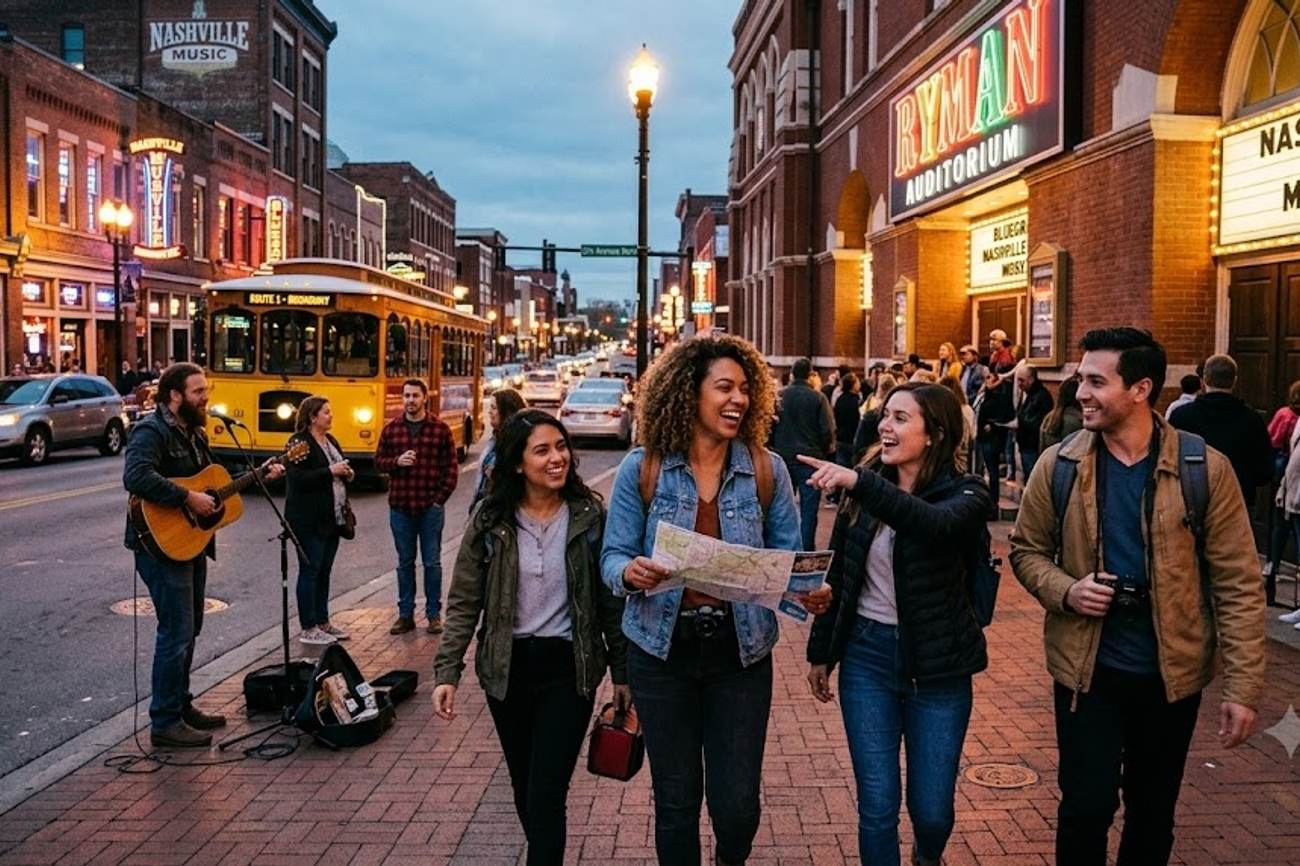
Image generated by AI
The United States is currently attempting to codify the "soundtrack" of its geography into federal law through the American Music Tourism Act of 2025. While most travelers view music as a byproduct of a city visit—a concert you happen to see while in New York or a jazz club you stumble into in New Orleans—this legislation seeks to flip the script, treating musical heritage as the primary driver of travel rather than a secondary attraction.
The Shift Toward Sonic Itineraries
For decades, American tourism has been marketed through the lens of natural wonders or iconic skyscrapers. However, the proposed American Music Tourism Act of 2025 represents a pivot toward experiential, identity-based travel. By amending the Visit America Act, the federal government intends to formally integrate music-based journeys into national travel strategies. This isn't just about promoting a few famous halls of fame; it is a systemic attempt to map the country's sonic DNA.
The legislation—which includes House version H.R. 617 and Senate version S. 195—is currently moving through the legislative process. While it has not yet been enacted into law, the intent is clear: to move beyond "sightseeing" and toward "listening." If passed, the act would mandate the identification and promotion of historic venues, regional festivals, and the specific communities that birthed global genres. This would effectively transform the U.S. travel map into a series of curated audio trails, where the destination is defined by the rhythm of the street rather than the height of the monument.
What Makes American Music Geography Different
The uniqueness of music tourism in the U.S. lies in its deep connection to sociology and migration. Unlike a museum that houses static objects, music tourism is an exploration of living history. When you visit the Motown districts of Detroit or the hip-hop landmarks of New York, you aren't just visiting a building; you are tracing the movements of people and the evolution of social identity.
Each region offers a distinct sensory experience that defies generic travel descriptions:
- The Delta and Memphis: Here, the blues are not just a genre but a geographical marker. The connection between the Mississippi Delta and Memphis creates a corridor of heritage that explains the roots of almost all modern popular music.
- Nashville and the Appalachians: Country music serves as an economic and cultural engine, turning Tennessee into a global hub for songwriters and recording studios.
- New Orleans: Jazz in the Crescent City is an atmospheric condition. It exists in the humidity, the architecture of the French Quarter, and the spontaneous brass bands that reclaim the streets.
- The Pacific Northwest and the Rust Belt: From the grunge era of Seattle to the rock history of Cleveland, these cities use music to redefine their industrial identities.
By focusing on these specificities, the proposed act encourages travelers to look past the "gateway cities." Instead of staying in a hotel in a major hub, visitors are encouraged to seek out the small-town recording studios or the dive bars where legendary riffs were first played. This shifts the travel experience from a checklist of landmarks to a narrative journey.
Visitor Insider Tips
To truly experience the U.S. through a musical lens, you have to move away from the curated "Hall of Fame" experiences and find the rhythms that locals actually follow.
Timing Your Visit Avoid the peak summer crowds at major festivals. Instead, target the "shoulder seasons" of spring and autumn. For example, visiting New Orleans during the lead-up to Mardi Gras or Nashville during the smaller songwriting showcases in the fall allows you to experience the venues without the suffocating tourist density.
Local Etiquette and Access In cities like Memphis or New Orleans, respect the "living room" nature of some heritage sites. Many music-centric neighborhoods are residential. When visiting historic markers or small community venues, keep noise levels respectful outside the venue. In Nashville, avoid the "Broadway" neon strip if you want authentic music; head to East Nashville or the songwriters' rounds in smaller listening rooms where the focus is on the craft, not the spectacle.
Transport Hacks To follow a "Blues Trail" or a "Jazz Route," rent a car. The most authentic musical history is often found in the gaps between cities—the small crossroads in Mississippi or the rural towns of Louisiana. Relying on flights and rideshares will limit you to the sanitized, commercialized versions of these histories.
The proposed American Music Tourism Act aims to incentivize travel to historic musical landmarks by integrating cultural heritage sites into national tourism strategies. Travelers seeking to explore these destinations can coordinate their journeys through the U.S. Department of Commerce, which oversees the economic development of regional tourism hubs.
Regional Specialties to Pair with the Sound Music and food are inseparable in the U.S. In New Orleans, pair your jazz with a muffuletta or beignets. In Memphis, the ribs are as essential to the experience as the blues. In Detroit, explore the Coney Island hot dog stands that fueled the musicians of the Motown era.
For those planning their logistics, the Official Visit USA portal provides a starting point for regional entries, while those exploring the historic architecture of music venues often find overlapping interests with UNESCO World Heritage sites regarding cultural landscapes.
Cultural and Environmental Context
The intersection of music tourism and local community is a delicate balance. While the American Music Tourism Act aims to boost local economies, there is an inherent tension between "preservation" and "commodification." When a dive bar becomes a "historic landmark," it often ceases to be a place where new music is actually created, turning instead into a museum of the past.
There is also a significant socio-economic component. Much of the music that drives U.S. tourism—Jazz, Blues, Motown, Hip-Hop—emerged from marginalized communities and struggles against oppression. There is an ongoing dialogue about how to promote these destinations without erasing the struggle that created the art. Ethical music tourism requires visitors to acknowledge the history of the people, not just the melodies.
Environmentally, the rise of massive music festivals presents a challenge. The "festivalization" of rural areas often leads to temporary infrastructure strain and waste management issues. However, the proposed act's focus on "heritage trails" and "historic venues" suggests a move toward a more sustainable, slow-travel model. By distributing tourists across smaller communities and existing venues, the pressure on a few "mega-sites" is reduced, spreading the economic benefit more equitably across the country.
FAQ: Visiting the USA 2025
What is the best way to plan a music-focused trip? Start by choosing a specific genre. Use regional maps—like the Mississippi Blues Trail—to connect small towns with larger cities. Mix "anchor" attractions (like the Grand Ole Opry) with local recommendations from music blogs or residents.
Do I need a special visa for cultural tourism? No. Standard tourist visas (such as the B-2 visa or ESTA for Visa Waiver Program countries) cover all forms of cultural and leisure travel within the United States.
Is it safe for solo travelers to explore music districts? Generally yes, but like any urban environment, be mindful of your surroundings. Stick to well-lit areas in districts like New Orleans' French Quarter or Detroit's music hubs, and use reputable rideshare apps for late-night returns from venues.
How do I find authentic, non-tourist venues? Look for "listening rooms" rather than "music bars." Check local independent radio stations or community calendars. The best spots are often those that don't have large neon signs but have a dedicated local following.
Stop listening to the brochures and start listening to the streets.
Related Travel Guides
- Argentina Shows Wild Nature Flourishes When Conscious Travel Protects Native Wildlife In Corrientes And Jujuy, All You Need To Know
- China’s Zhejiang Opens Dubai Tourism Hub To Attract Rising Middle East Travellers With Culture And Innovation
- New York Joins Miami and Chicago as Barcelona’s Direct Air Links and New Tourist Taxes Reshape 2026 Holidays
Disclaimer
This article is for informational and educational purposes only. It does not constitute legal, financial, or professional advice. While we strive to provide accurate and up-to-date information, travel policies, regulations, and conditions change rapidly. Always verify information with official sources before making travel decisions. Nomad Lawyer makes no representations about the accuracy, reliability, completeness, or suitability of the information provided. Readers should consult qualified professionals for advice specific to their circumstances. The views expressed in this article are those of the author and do not necessarily reflect the views of Nomad Lawyer.
Kunal K Choudhary
Co-Founder & Contributor
A passionate traveller and tech enthusiast. Kunal contributes to the vision and growth of Nomad Lawyer, bringing fresh perspectives and driving the community forward.
Learn more about our team →