
The 90-Day American Odyssey: How the Visa Waiver Program and ESTA Streamline Transatlantic Travel
The US Visa Waiver Program and digital ESTA authorization grant qualifying international travelers up to 90 days of seamless travel across California, New York, Florida, Texas, and Illinois.

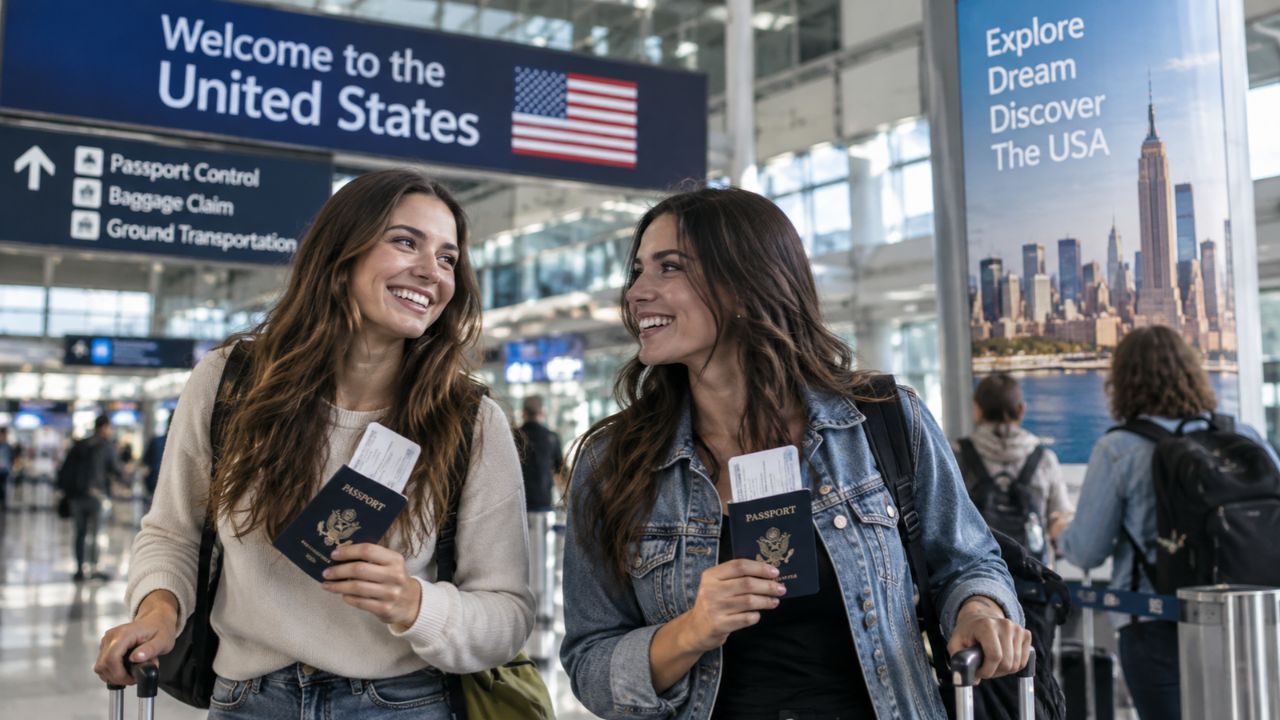
The US Visa Waiver Program provides streamlined digital entry for eligible travelers visiting for up to 90 days
While millions of prospective international visitors assume that traveling to the United States requires months of waiting for consular visa interviews and physical passport stamps, citizens of designated participating countries can secure digital travel permission directly from their smartphones in under seventy-two hours. Through the ongoing operation of the federal Visa Waiver Program (VWP), qualified foreign nationals can enter the United States for tourism, business, or transit stays of up to 90 days without obtaining a traditional visitor visa. Managed jointly by the U.S. Department of Homeland Security (DHS) and the Department of State, the digital framework centers on the Electronic System for Travel Authorization (ESTA), operated by U.S. Customs and Border Protection (CBP). As international arrivals surge across premier gateways in California, Florida, New York, Texas, and Illinois, understanding the operational boundaries of this digital screening system is essential for global voyagers planning an American journey.
The system represents a modern balance between international mobility and national border security. Rather than requiring travelers to mail documents to foreign consulates, the online platform conducts automated security assessments before an airline passenger boards their flight. For eligible holidaymakers, repeat business travelers, and families visiting relatives, this digital authorization creates a predictable, efficient pathway to experience the country’s diverse regional cultures.
Digital Screening and 90-Day Horizons: Inside the Visa Waiver Program
The mechanics of the Visa Waiver Program are structured around clear statutory parameters:
- Eligibility and Scope: The program is open exclusively to citizens or nationals of designated participating VWP countries who hold a valid, biometric electronic passport. Travel must be for approved tourism, short-term business consultations, or transit.
- The 90-Day Rule: Qualifying visitors are granted a maximum continuous stay of up to 90 days. This period is strictly enforced, cannot be extended under ordinary circumstances, and does not permit conversion to student or employment visas while in the country.
- The ESTA Approval Mandate: Eligible travelers must submit an online application and receive verified ESTA approval prior to boarding an aircraft or maritime vessel bound for the United States.
- Border Authority: Receiving ESTA approval grants permission to travel to a U.S. port of entry, but it does not guarantee automatic entry. Final admission decisions remain the legal authority of CBP officers conducting entry interviews at airport customs terminals.
This streamlined border process directly fuels the American tourism economy. Visitors arriving through the program generate substantial revenue for regional hotels, restaurants, transportation networks, and independent cultural institutions. Promoted internationally by Visit The USA, the framework encourages travelers to move beyond traditional single-city visits to design multi-state journeys that connect coastal metropolises with interior national parks.
From Pacific Cliffs to Prairie Skyscrapers: Maximizing the 90-Day American Odyssey
A ninety-day window allows international travelers to experience the immense geographical and cultural variety that defines the United States. The country is not a single, uniform destination; it is an alliance of distinct regional realms.
In New York, visitors begin in the nation’s cultural capital. From the morning tranquility of Central Park to the art collections of the Metropolitan Museum of Art and the street energy of Lower Manhattan, the city delivers world-class theater, diverse immigrant dining quarters, and iconic architectural vistas.
Fly west to Illinois, and Chicago presents an open-air museum of American modern architecture. Cruising along the Chicago River, visitors admire legendary skyscrapers designed by Mies van der Rohe and Louis Sullivan, stroll past the silver curves of Cloud Gate in Millennium Park, and sample deep-dish pizza before spending the evening in historic South Side blues lounges.
Further west, California offers a sun-soaked Pacific dream. Travelers can rent a car to drive the Pacific Coast Highway through the dramatic ocean cliffs of Big Sur, explore the redwood groves of Muir Woods, or hike among the granite domes of Yosemite National Park, protected by the National Park Service. In Los Angeles, historic film studios in Hollywood share the valley with world-class contemporary art at the Getty Center and diverse culinary districts in Koreatown and East LA.
In the southern tier, Texas and Florida provide rich regional traditions. Texas enchants visitors with live music halls in Austin, historic Spanish missions along the San Antonio River Walk, and cowboy heritage in Fort Worth. Meanwhile, Florida pairs the tropical beaches of Miami and the family entertainment of Orlando with the tranquil mangrove estuaries and white-sand barrier islands of the Gulf Coast.
Visitor Insider Tips
Navigating the Visa Waiver Program and avoiding common international travel pitfalls requires practical preparation:
- Bypassing Unofficial Application Websites: Only submit your ESTA application through the official government portal (
esta.cbp.dhs.gov) or the official CBP ESTA mobile application. Dozens of commercial third-party websites mimic official government pages, charging unauthorized processing fees of $80 to $120 for a standard federal application. - Proof of Onward Travel: When presenting your passport to CBP officers at international ports of entry (such as JFK, LAX, or Chicago O'Hare), ensure you have confirmed digital or printed tickets showing return or onward international travel departing within your 90-day window. Arriving on a one-way ticket without onward documentation will trigger secondary immigration questioning.
- Understanding the Mexico/Canada Transit Rule: If you enter the US under the Visa Waiver Program, short side trips to Canada, Mexico, or Caribbean islands do not restart your 90-day clock. Time spent in these neighboring countries counts toward your original 90-day authorized stay unless you are a permanent resident of those territories.
- Mobile Passport Control (MPC) Hack: Eligible international visitors who have previously entered the United States under ESTA can often use the free CBP Mobile Passport Control (MPC) app. Submitting your customs declaration digitally via the app allows you to enter dedicated expedited inspection lanes at major US international arrival airports, saving significant time.
- National Park Pass Investment: If your 90-day road trip includes multiple federal wilderness reserves, buy an America the Beautiful National Parks Pass for eighty US dollars at the first park entrance. The pass covers standard day-use fees for a driver and all passengers in a personal vehicle across more than two thousand federal recreation sites nationwide.
Cultural and Environmental Context
Welcoming tens of millions of international visitors requires thoughtful environmental stewardship. America's premier natural wonderlands face growing visitor pressures. Fragile desert biomes in Joshua Tree and sensitive alpine ecosystems in the Rocky Mountains enforce strict vehicle caps and timed-entry permits to protect wildlife habitats, prevent trail degradation, and safeguard clean water sources.
Urban centers are equally committed to ecological responsibility. Cities like San Francisco, Seattle, and New York lead national efforts in waste diversion, municipal composting, and public transit modernization. International travelers can contribute to sustainable travel by utilizing comprehensive commuter rail networks, choosing electric vehicle rentals, and supporting local farm-to-table food cooperatives.
Cultural respect is also vital when traveling across indigenous lands. Many of the most visited natural formations across the American West—including the sacred mesas of the Southwest and the thermal valleys of Yellowstone—are ancestral homelands for Native American nations. Mindful travelers are encouraged to learn tribal histories, follow local etiquette on reservation lands, and purchase authentic handmade arts directly from certified indigenous craftspeople.
FAQ: Entering the USA on ESTA 2026
How far in advance should international travelers apply for ESTA?
Travelers should apply at least seventy-two hours prior to departure, though submitting applications weeks before booking non-refundable flights is recommended to handle unexpected processing delays.
Does ESTA approval guarantee entry into the United States?
No, ESTA approval only permits a traveler to board an aircraft or ship traveling to the US; final admission is determined by a CBP officer at the port of entry.
Can an international visitor extend a stay beyond 90 days on the Visa Waiver Program?
No, the 90-day maximum stay under the Visa Waiver Program cannot be extended; travelers requiring longer stays must apply for a traditional consular visitor visa (B1/B2).
Can travelers work or study in the United States while on ESTA?
No, employment, paid engagements, and full-time academic study are strictly illegal under the Visa Waiver Program; visitors must hold specific employment or student visas.
Across wide desert horizons, mountain ridges, and iconic skylines, the open American road invites travelers into a vast continental story waiting to be discovered.
Related Travel Guides
Disclaimer
This article is for informational and educational purposes only. It does not constitute legal, financial, or professional advice. While we strive to provide accurate and up-to-date information, travel policies, regulations, and conditions change rapidly. Always verify information with official sources before making travel decisions. Nomad Lawyer makes no representations about the accuracy, reliability, completeness, or suitability of the information provided. Readers should consult qualified professionals for advice specific to their circumstances. The views expressed in this article are those of the author and do not necessarily reflect the views of Nomad Lawyer.
Raushan Kumar
Founder & Lead Developer
Full-stack developer with 11+ years of experience and a passionate traveller. Raushan built Nomad Lawyer from the ground up with a vision to create the best travel and law experience on the web.
Learn more about our team →