
US Tourism Spending Hits $1.37 Trillion in 2026 as Illinois, Florida and California Lead Growth
US tourism spending is projected to reach $1.37 trillion in 2026, driven by a surge in domestic leisure travel and the enduring appeal of iconic landmarks in Illinois, Florida, and California.
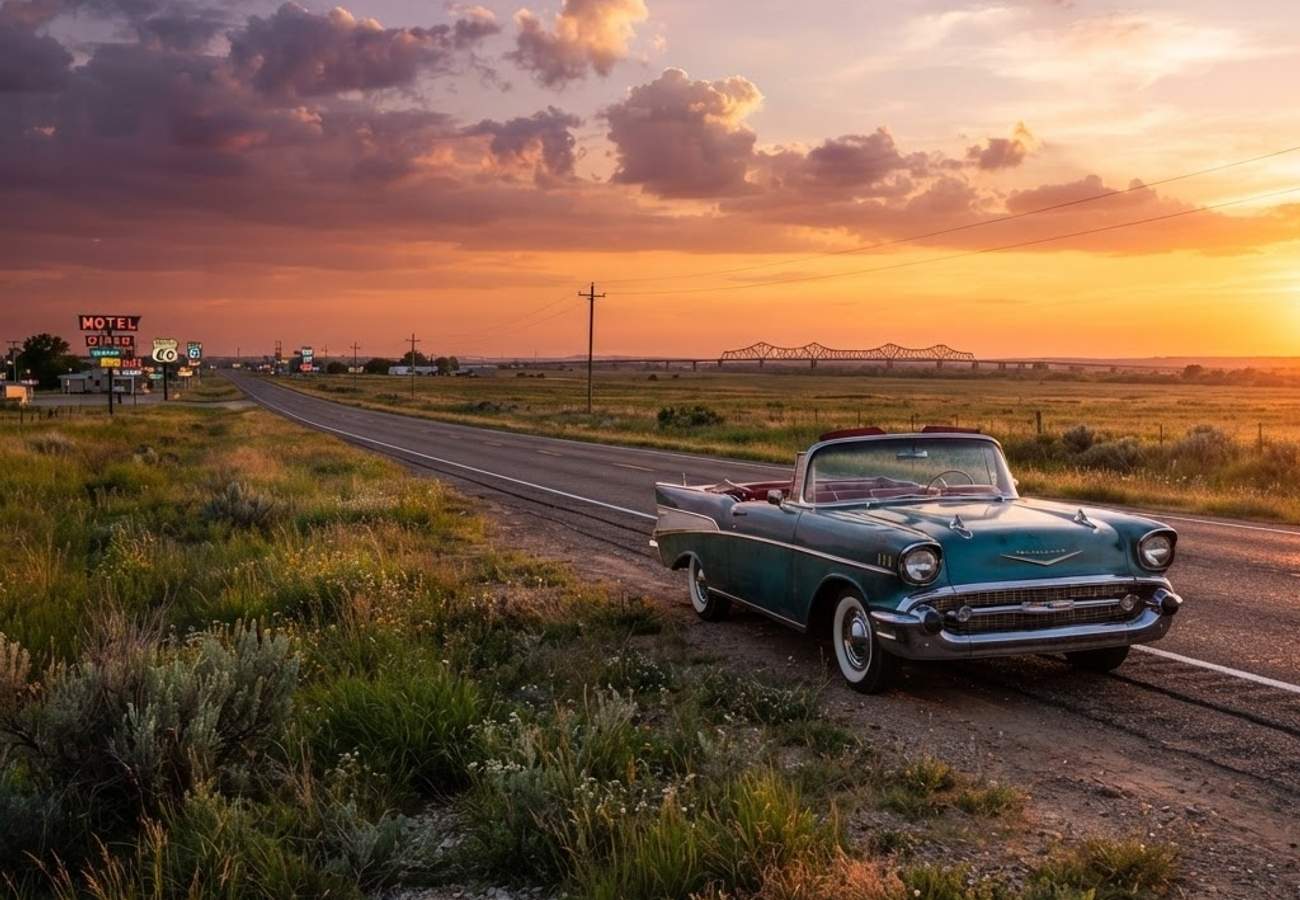
Image generated by AI
The American travel sector has entered a phase of unprecedented expansion, with total travel spending officially forecast to reach $1.37 trillion in 2026. This surge is primarily propelled by a dominant domestic market and a revitalized interest from international visitors, specifically targeting heritage and entertainment hubs in Illinois, Florida, and California.
National Travel Economy Shifts Toward Experiential Spending
The volatility that characterized the early 2020s has given way to a period of stabilized, foundational growth. According to data released by the National Travel and Tourism Office (NTTO) and the U.S. Travel Association, the industry is no longer merely recovering but is expanding its economic footprint. A critical driver of this trend is the domestic market, which currently accounts for 87 per cent of all expenditure within the sector.
Industry observers note a distinct psychological pivot among consumers who are now prioritizing high-value experiences and nostalgic travel over the purchase of material goods. This behavioral shift has allowed state tourism boards to justify massive investments in conservation and infrastructure. By focusing on "legacy attractions"—sites with deep cultural roots and generational appeal—states are seeing a renaissance in heritage tourism.
Nowhere is this more evident than in the high-traffic corridors of Florida, California, and Illinois. The continued magnetism of the Magic Kingdom, Alcatraz Island, and the historic markers of Route 66 continues to draw millions, proving that traditional American landmarks remain the primary catalysts for visitor influxes despite the rise of modern luxury resorts.
Projections for International Arrivals and Federal Investment
As of September 2026, the outlook for inbound international travel remains highly positive. Reports indicate that international visits are projected to climb by 3.4 per cent, totaling approximately 70.6 million arrivals. While some emerging markets still face visa processing delays, the overall spending by international tourists is expected to hit $178 billion by the close of the year.
This growth is being accelerated by two major upcoming global events: the 2026 FIFA World Cup and the 2028 Summer Olympics in Los Angeles. To prepare for these surges, the U.S. Department of Transportation and the U.S. Department of Commerce have launched aggressive funding programs. These initiatives focus on:
- Reducing bottlenecks at primary ports of entry.
- Modernizing regional aviation hubs to handle increased capacity.
- Improving public transit links between urban centers and national parks.
The synergy between these federal grants and state-level marketing is ensuring that the logistical capacity of the U.S. can keep pace with the overwhelming demand.
Domestic Leisure Travel Outpaces Corporate Recovery
While the broader economy shows growth, the "leisure" vertical is the undisputed engine of the industry. Domestic leisure travel spending is expected to reach $909 billion in 2026. Notably, this is the only travel segment that has officially exceeded pre-2020 levels when adjusted for inflation.
In contrast, corporate and business travel are following a more conservative recovery trajectory. This segment is forecasted to reach $319 billion in 2026, suggesting that while business trips are returning, the appetite for personal vacations remains the primary economic driver.
| Travel Segment | 2026 Forecasted Spending | Growth Driver |
|---|---|---|
| Total US Travel | $1.37 Trillion | Domestic Resilience & Int'l Growth |
| Domestic Leisure | $909 Billion | Experiential & Heritage Travel |
| International Inbound | $178 Billion | World Cup & Olympics Prep |
| Corporate/Business | $319 Billion | Measured Return to Office/Events |
Illinois and the Route 66 Centennial Boom
Illinois is currently witnessing a massive spike in visitation as it celebrates the 100th anniversary of Route 66. Originally designated in 1926, the "Mother Road" remains a global symbol of American motoring. As the starting point of the highway, Chicago has become a primary gateway for international history buffs and motoring enthusiasts, particularly from Oceania and Europe.
The Illinois Department of Commerce and Economic Opportunity (DCEO) and "Enjoy Illinois" have launched a strategic campaign to leverage this centennial. The state has provided substantial grants to small municipalities along the route to:
- Restore historic building facades.
- Install high-speed electric vehicle (EV) charging stations to attract modern travelers.
- Upgrade regional visitor centers.
This blend of nostalgic preservation and sustainable infrastructure ensures the route remains viable for the 21st-century traveler while maintaining its "analogue" charm.
Regional Economic Impact of Heritage Tourism
The economic ripple effects of the Route 66 Centennial extend far beyond Chicago. For many rural communities that previously relied solely on agriculture, the 2026 tourism surge has provided a vital economic diversification. Local motels, antique shops, and classic diners are reporting record-breaking year-on-year revenue.
Data from state economic boards suggests that heritage tourists spend more per day than the average traveler. Because the Route 66 experience is designed for slow, exploratory travel, visitors tend to stay longer in small towns and patronize independent, family-owned businesses. This has resulted in a significant return on investment for the state's infrastructure spending and has created a wave of new jobs in the hospitality, curation, and preservation sectors.
Why This Matters: The Shift to "Slow Travel"
For the traveler, these trends signal a shift toward "slow travel"—a preference for immersive, culturally rich journeys over fast-paced sightseeing. The heavy investment in EV infrastructure along historic routes like Route 66 means that sustainable travel is no longer a barrier to exploring rural America.
From a logistical standpoint, the focus on federal infrastructure grants suggests that the "travel chaos" of previous years is being addressed through systemic upgrades rather than temporary fixes. For the international visitor, the alignment of the 2026 World Cup and the 2028 Olympics means that the U.S. is currently in a "golden window" of accessibility and upgraded transport, making it an ideal time for long-haul visitation.
The American road trip is no longer just a nostalgic memory—it is a trillion-dollar economic engine.
Related Travel Guides
Disclaimer
This article is for informational and educational purposes only. It does not constitute legal, financial, or professional advice. While we strive to provide accurate and up-to-date information, travel policies, regulations, and conditions change rapidly. Always verify information with official sources before making travel decisions. Nomad Lawyer makes no representations about the accuracy, reliability, completeness, or suitability of the information provided. Readers should consult qualified professionals for advice specific to their circumstances. The views expressed in this article are those of the author and do not necessarily reflect the views of Nomad Lawyer.