
US Cities Redefine Tourism: Los Angeles Music Megashows, Phoenix Autism Certification, and Event-Driven Travel

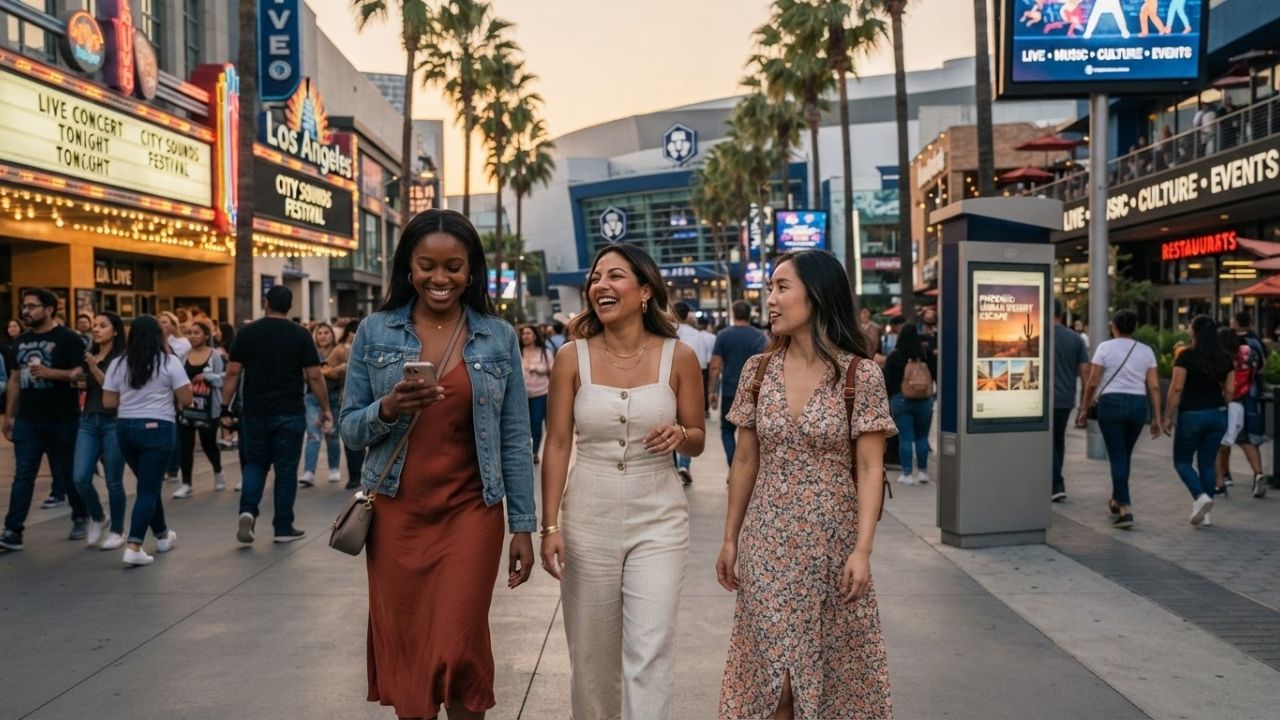
From global pop residencies in Los Angeles to Phoenix becoming the nation’s largest Certified Autism Center municipality, American cities are pivoting away from passive sightseeing toward inclusive, event-driven travel economies.
Across the United States, municipal tourism boards are executing an intentional shift in how urban destinations attract and retain visitors. Rather than relying solely on static monuments or historical landmarks, cities are deploying major entertainment series, neuro-inclusive civic programs, waterfront environmental management, and free heritage programming. By turning temporary gatherings—such as stadium concert weeks in Southern California or comic conventions in Florida—into extended multi-neighborhood stays, urban centers are capturing higher per-visitor expenditures across local hospitality businesses.
The Entertainment Engine: Los Angeles Converts Music Fandom into Tourism
In Los Angeles, tourism planners have placed mega-events at the core of international visitor acquisition. The city’s coordinated BTS Week surrounding sold-out stadium performances by the South Korean group exemplified how modern fandom drives extensive citywide spending.
Travelers flying in for marquee music residencies require hotel rooms, airport transfers, rideshare services, neighborhood dining, and retail shopping. By extending stadium dates into week-long cultural activations across Hollywood, Koreatown, and Downtown LA, the city encourages international visitors to tack on multi-day itineraries, generating substantial economic returns for independent restaurants, cultural venues, and transport providers.
Phoenix Pioneers Neuro-Inclusive Accessibility as a Competitive Advantage
While Los Angeles scales entertainment, Phoenix has established a pioneering benchmark in traveler inclusion by becoming the largest municipality in the United States to earn Certified Autism Center (CAC) designation from the International Board of Credentialing and Continuing Education Standards (IBCCES).
The citywide initiative trained public-facing municipal staff—including airport personnel, transit operators, park rangers, and museum guides—in sensory awareness and communication techniques for neurodivergent visitors. Navigating unfamiliar airports, high-traffic transit hubs, and crowded attractions often presents severe sensory obstacles for travelers with autism. By providing sensory guides, quiet spaces, and trained staff across public facilities, Phoenix eliminates travel friction, building enduring loyalty among families seeking accessible destinations.
Coastal Infrastructure and Cultural Heritage: Miami Beach, Tampa, San Antonio, and College Station
Beyond the West, American metropolitan areas are tailoring specialized programming to diversify their visitor appeal:
- Miami Beach: The city is executing an updated 10-year Beachfront Management Plan to safeguard its primary coastal assets from erosion and storm surges while offering cultural programming like the outdoor SoundScape Cinema Series and Hispanic Heritage Month celebrations.
- Tampa: Anchor gatherings like the Tampa Bay Comic Convention at the Tampa Convention Center drive high-density visitor traffic that converts business travelers into weekend leisure explorers across the Tampa Riverwalk and Ybor City.
- San Antonio: Downtown public spaces—including Historic Market Square, La Villita Historic Arts Village, and Houston Street—host free outdoor music, folkloric dance, and culinary festivals that channel tourist foot traffic directly to independent artisan vendors.
- College Station: Sports tourism anchors the "Heart of Aggieland" game-day experience, driving fans beyond the football stadium into nature trails and conservation corridors at Lick Creek Park.
Sustainable Urban Travel and Community Preservation
This event-led evolution aligns with modern sustainability priorities. When cities invest in pedestrian infrastructure, public transit integration, and free cultural programming in public squares, tourism dollars disperse beyond insular corporate hotels into local neighborhoods.
San Antonio’s free artisan markets in La Villita protect centuries-old Tejano craft traditions, while Phoenix’s sensory training ensures that public parks and cultural institutions remain accessible to all members of the community without requiring expensive private accommodations.
Local Visitor Insider Tips for Event-Driven Urban Trips
- Los Angeles Transit During Stadium Concerts: When attending mega-events at SoFi Stadium or the Rose Bowl, bypass parking gridlock by utilizing the Metro C Line or dedicated municipal event shuttles from downtown rail stations.
- Sensory-Friendly Exploration in Phoenix: Request sensory kits (including noise-dampening headphones, communication cards, and tactile fidget tools) available at certified venues such as the Phoenix Zoo, Heard Museum, and Phoenix Sky Harbor International Airport.
- Miami Beach Free Trolley: Avoid expensive South Beach parking by riding the free Miami Beach Trolley, which operates four routes connecting South Beach, Mid Beach, and North Beach with connections to SoundScape Park.
- San Antonio Market Square Dining: For authentic Tex-Mex, head to the family-owned stalls inside Historic Market Square for freshly made puffy tacos and cinnamon churros rather than crowded chain restaurants along the main River Walk bend.
- Off-Peak Travel Window: For Phoenix and Southern California, the shoulder period between mid-April and late May offers temperate outdoor weather, open hotel allocations, and comfortable event access before summer heatwaves arrive.
Outlook: The Future of Experience-Led Urban Tourism
The modernization of American city tourism demonstrates that long-term destination strength requires more than iconic skylines. Whether by engineering global music celebrations in Los Angeles, leading nationwide accessibility standards in Phoenix, or preserving historic plazas in San Antonio, cities that integrate accessibility, authentic culture, and civic infrastructure will define the next generation of North American travel.
Related Travel Guides
Disclaimer
This article is for informational and educational purposes only. It does not constitute legal, financial, or professional advice. While we strive to provide accurate and up-to-date information, travel policies, regulations, and conditions change rapidly. Always verify information with official sources before making travel decisions. Nomad Lawyer makes no representations about the accuracy, reliability, completeness, or suitability of the information provided. Readers should consult qualified professionals for advice specific to their circumstances. The views expressed in this article are those of the author and do not necessarily reflect the views of Nomad Lawyer.
Raushan Kumar
Founder & Lead Developer
Full-stack developer with 11+ years of experience and a passionate traveller. Raushan built Nomad Lawyer from the ground up with a vision to create the best travel and law experience on the web.
Learn more about our team →