
Transatlantic Travel Trends 2026: US Overseas Tourism Slump Meets UK Visitor Levy Debate
As US overseas arrivals fall 6.5% and linger at 78.6% of 2019 levels, the UK navigates shifting American accommodation demand and proposed uncapped city visitor levies.

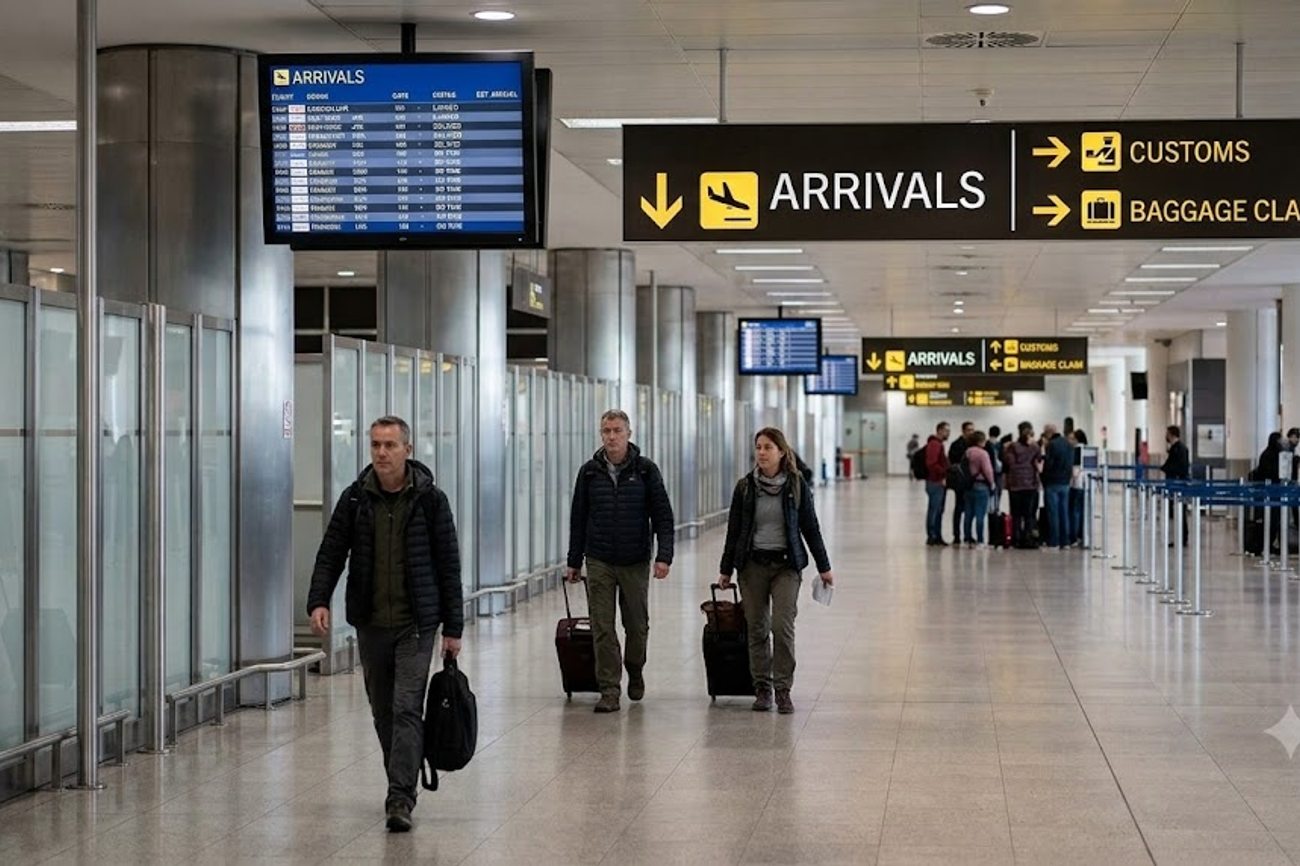
Image generated by AI
While transatlantic aviation routes rank among the world's most lucrative passages, overseas arrivals to the United States plunged by 6.5% in May 2026 to stand at just 78.6% of pre-pandemic 2019 levels. Rather than a brief seasonal dip, this persistent shortfall points toward a broader realignment in international travel habits. Simultaneously, Great Britain faces its own subtle shifts: American guest nights in collaborative short-term rentals softened by 1.4% in 2025, even as municipal proposals for uncapped overnight visitor levies put up to £14.4 billion in international tourist spending at direct risk.
The Transatlantic Divergence: Falling US Arrivals and Shifting British Stays
The contrasting trajectories of inbound tourism between the United States and the United Kingdom reflect an increasingly price-conscious international traveler. According to the US National Travel and Tourism Office (NTTO), a division of the Department of Commerce, approximately 2.8 million overseas visitors arrived in the United States in May 2026. This was 6.5% lower than in May 2025 and reflected a broader downturn: through the first five months of 2026, overseas visitation to the US dropped 4.8% year on year.
This contraction follows a weak 2025, when full-year overseas arrivals to the United States fell 2.5% compared to 2024:
- May 2025 recorded a year-on-year drop of 2.8%.
- August 2025 registered a 2.9% decline, pulling arrivals across the first eight months of 2025 down 1.8% compared to the prior year.
- The third quarter of 2025 saw international air travelers to the US drop 5.7% year on year, overseas arrivals fall 4.4%, and arrivals from Canada drop substantially further.
Despite these hurdles, the transatlantic bond remains central. The US Department of Commerce recorded the United Kingdom as America's largest overseas source market in 2025, delivering approximately 4.1 million British arrivals.
Across the ocean, the British market presents greater overall volume alongside notable vulnerabilities. Official data from the Office for National Statistics (ONS) shows that Great Britain recorded an estimated 42.6 million overseas visits in 2024, with foreign travelers contributing approximately £31.6 billion. American travelers led this inflow, logging approximately 5.5 million visits to Great Britain in 2024 as Britain's most valuable foreign market.
However, demand softened in specific accommodation segments. ONS data tracking short-term rentals booked via digital platforms showed that while US guests represented the largest international demographic in 2025, they accounted for approximately 6.21 million guest nights—a 1.4% decline from 2024. For local hoteliers and destination managers, guest nights indicate actual economic footprint beyond arrival tallies. Methodologically, the ONS revised its International Passenger Survey framework in July 2024, requiring careful interpretation of year-on-year comparisons.
Adding further uncertainty is the debate surrounding municipal tourism charges. The World Travel & Tourism Council (WTTC) has warned that government plans allowing English mayors and local authorities to introduce uncapped overnight visitor levies could undermine British competitiveness. These measures would allow local leaders to impose percentage-based charges across hotels, bed-and-breakfasts, and holiday lets without a national ceiling.
WTTC findings reveal significant traveler price sensitivity:
- Around 29% of travelers from Britain's top three overseas markets—the United States, France, and Germany—stated they would consider choosing another destination or canceling their trip if faced with a €10 tourist tax.
- Domestic travelers showed greater resistance, with 39% of UK residents stating they would holiday elsewhere or forgo a vacation under a £10 levy.
- In total, the WTTC projects that a £10 levy scenario could put up to £14.4 billion in international visitor spending at risk by 2027.
What Makes the Transatlantic Corridor Unique
The travel corridor linking North America and Great Britain is built on centuries of shared language, ancestry, and commerce. It forms a natural cultural circuit where travelers easily navigate between British market towns and diverse American regions.
In Britain, visitor appeal extends far beyond London landmarks. Compact rail networks connect travelers to Roman thermal baths in Somerset, medieval cathedral closes in York, and the granite peaks of the Scottish Highlands within hours of leaving the capital. The national tourism agency VisitBritain stresses that distributing visitor spending into market towns and coaching inns helps sustain independent businesses and traditional crafts.
In the United States, visitors encounter vast geographic scale, from Atlantic maritime villages to Pacific coastal drives. However, elevated airfares, fluctuating currency valuations, and lodging resort fees increasingly lead travelers to favor focused regional itineraries over extended multi-city tours.
Visitor Insider Tips
Experiencing both regions without incurring inflated urban costs or upcoming tourist surcharges requires smart planning.
- Bypassing Capital Congestion: In the United Kingdom, base yourself in historic towns like St Albans, Winchester, or Oxford, all within 45 minutes of central London via commuter rail. You will find historic public houses, green cathedral precincts, and room rates up to 40% below London hotels.
- Railcards and Advance Booking: Never purchase walk-up rail tickets on travel day in Britain. Book Advance fares via National Rail, or buy a Two Together Railcard or Network Railcard if traveling as a pair or small group across London and the Southeast to secure one-third off off-peak fares. In the US, skip car rentals in dense corridors; use Amtrak's Northeast Regional line linking Boston, New York, Philadelphia, and Washington, D.C.
- Avoiding Municipal Surcharges: To avoid proposed city levies and steep urban lodging fees, select independent bed-and-breakfasts, countryside coaching inns, or farm stays situated outside designated mayoral boundaries. Booking directly with property owners often includes complimentary breakfast and parking.
- Tavern Etiquette and Regional Specialties: In British pubs, order directly at the bar counter; table service is rare, and tipping is voluntary. Savor regional foods such as Sunday roast with Yorkshire pudding in the north, Cornish pasties along the coast, and farmhouse cider in Somerset. In American cities, bypass chain tourist districts for independent neighborhood diners, immigrant-run bakeries, and municipal market halls.
- Shoulder-Season Strategy: The best travel windows across the Atlantic are late September through early November, and late April through May. During these periods, passenger loads ease, temperatures remain pleasant, and accommodation prices fall well below summer peaks.
Cultural and Environmental Context
The intersection of international tourism and residential life faces growing strain across British cities and American metropolitan centers. Rapid growth in short-term vacation rentals transformed historic residential districts in cities like Edinburgh, Bath, New York, and San Francisco, prompting community concern regarding long-term housing availability and neighborhood character.
The debate over uncapped municipal visitor levies reflects this tension. Local councils argue that overseas visitors place heavy demands on roads, public parks, waste disposal, and municipal transport. Without visitor contributions, the financial burden of maintaining historic civic spaces falls on local residents.
Conversely, independent hospitality operators argue that blunt taxes risk alienating the travelers who support neighborhood theaters, regional transit, and historic preservation. When international arrivals dip—as seen in the 6.5% drop in May 2026 US overseas arrivals or the 1.4% softening in American short-term rental nights in Britain—the loss directly affects independent innkeepers and family-run venues. Responsible transatlantic travel requires an intentional balance: patronizing family-run establishments, respecting neighborhood quiet, relying on public transport, and investing directly in local heritage.
FAQ: Transatlantic Travel and Visitor Levies 2026
Why did overseas visits to the United States decline in May 2026? According to NTTO data, US overseas arrivals fell 6.5% in May 2026, reaching just 78.6% of pre-pandemic 2019 levels due to rising travel expenses, strong dollar valuations, and shifting international destination preferences.
What is the proposed English overnight visitor levy? The proposal would allow English mayors and local authorities to introduce uncapped, percentage-based tourist levies on hotels, bed-and-breakfasts, and short-term holiday rentals without a national ceiling to fund municipal services.
How does the proposed UK visitor levy affect international travelers? The WTTC warns that a £10 visitor levy could put £14.4 billion in spending at risk by 2027, with 29% of travelers from key markets considering alternative European destinations.
How can travelers minimize accommodation fees in the UK? Book directly with independent guesthouses outside major mayoral urban centers, travel during shoulder seasons, and check reservation invoices carefully to identify local municipal tax inclusions.
True journeys across the Atlantic reveal their richest rewards when we step beyond crowded monuments to invest in the quiet heritage of local communities.
Related Travel Guides
Disclaimer
This article is for informational and educational purposes only. It does not constitute legal, financial, or professional advice. While we strive to provide accurate and up-to-date information, travel policies, regulations, and conditions change rapidly. Always verify information with official sources before making travel decisions. Nomad Lawyer makes no representations about the accuracy, reliability, completeness, or suitability of the information provided. Readers should consult qualified professionals for advice specific to their circumstances. The views expressed in this article are those of the author and do not necessarily reflect the views of Nomad Lawyer.
Preeti Gunjan
Contributor & Community Manager
A passionate traveller and community builder. Preeti helps grow the Nomad Lawyer community, fostering engagement and bringing the reader experience to life.
Learn more about our team →