
US Tourism Recovery Strategy Targets New York, Orlando, and Las Vegas to Reverse International Visitor Decline 2026
US policymakers and tourism leaders launch a recovery strategy focusing on New York, Orlando, and Las Vegas to combat falling international visitor numbers and rising travel costs.
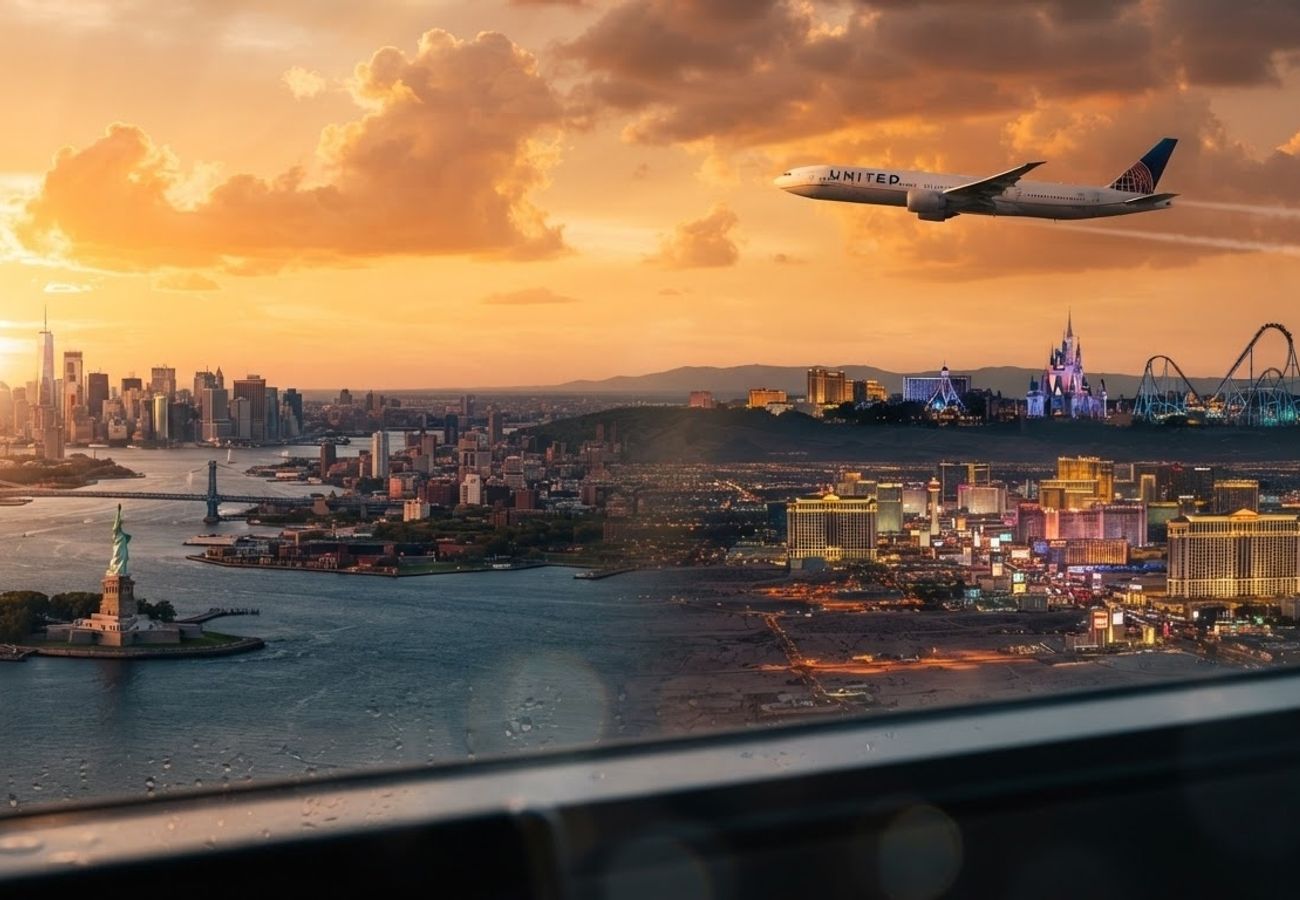
Image generated by AI
US tourism officials are pivoting their strategy toward three primary hubs—New York, Orlando, and Las Vegas—to stabilize a decline in international arrivals caused by rising costs and bureaucratic friction.
The United States travel sector is currently navigating a critical inflection point. While domestic demand remains a sturdy pillar for the economy, the slowdown in overseas arrivals is creating significant financial pressure on high-dependency urban centers. Tourism leaders and policymakers are now prioritizing the restoration of international visitor confidence to protect the hotels, airlines, and local businesses that rely on high-spending foreign tourists.
Strategic Focus on High-Impact Gateways
Industry analysis indicates that the current recovery effort is centered on the "big three" gateways, each facing unique pressures:
- New York: As a global urban center, a drop in overseas arrivals directly impacts Broadway theater revenues, luxury retail, and the hospitality sector.
- Orlando: Heavily dependent on international family tourism, Orlando's ecosystem of theme parks and resorts relies on the longer stay durations typical of foreign visitors.
- Las Vegas: The resort and convention market is seeing a shift in visitor behavior, impacting the high-margin dining and entertainment sectors that international travelers traditionally fuel.
Secondary gateways, including Miami and Los Angeles, are also under surveillance due to their roles as critical aviation and cruise hubs.
Barriers to International Growth
The decline in arrivals is not a result of waning interest in US landmarks, but rather a combination of logistical and economic hurdles.
Economic Pressures The strength of the US dollar has rendered American vacations significantly more expensive compared to competing destinations in Asia and Europe. This is compounded by rising airfares and domestic transport costs, forcing international travelers to scrutinize the "total holiday value."
Operational Friction Visa processing times and complex entry requirements remain primary deterrents. Market trends suggest that travelers are increasingly choosing destinations that offer seamless digital entry and faster approval processes.
Sector-Specific Adaptation
The aviation and hospitality industries are restructuring their approach to regain a competitive edge:
- Airlines: Route planning is being adjusted based on real-time passenger confidence data and shifting global travel preferences.
- Hotels: There is a marked shift toward offering personalized experiences and flexible booking systems to attract value-conscious global travelers.
- Government Agencies: Discussions are underway to streamline airport operations and modernize border processes to reduce the "friction" of arrival.
Impact on Regional Distribution
A key component of the 2026 recovery push is the diversification of the visitor map. By improving the overall entry experience, officials hope to push international tourists beyond the primary hubs into secondary markets, including:
- National park gateways
- Coastal communities
- Mountain regions
- Smaller cultural cities
This shift aims to distribute tourism spending more equitably across the US economy while reducing overcrowding in New York and Orlando.
Why This Matters: Industry Analysis
From a logistical perspective, this recovery strategy signals a shift from "destination marketing" to "experience engineering." For years, the US relied on the sheer power of its brand—the Statue of Liberty, Disney World, the Vegas Strip. However, our analysis of current travel patterns shows that brand power is no longer enough to overcome high costs and visa delays.
For the traveler, the real impact will be felt in the "friction points." If the US successfully overhauls its entry procedures and increases airline competition, we will see a drop in the "barrier to entry" for middle-class international families. For the industry, the risk is high: if the US fails to modernize its visa and airport experience, it risks a long-term migration of high-spending tourists toward more accessible European or Asian markets.
Forward Outlook
The success of this initiative depends on the speed of implementation regarding visa processing and air connectivity. We expect to see an increase in promotional campaigns targeting specific overseas markets to offset the strong dollar. The long-term goal is to transform general interest in the US into actual arrivals by making the visitor journey—from application to touchdown—seamless and competitive.
The US remains a global tourism powerhouse, but its future growth depends on efficiency over iconography.
Related Travel Guides
Disclaimer
This article is for informational and educational purposes only. It does not constitute legal, financial, or professional advice. While we strive to provide accurate and up-to-date information, travel policies, regulations, and conditions change rapidly. Always verify information with official sources before making travel decisions. Nomad Lawyer makes no representations about the accuracy, reliability, completeness, or suitability of the information provided. Readers should consult qualified professionals for advice specific to their circumstances. The views expressed in this article are those of the author and do not necessarily reflect the views of Nomad Lawyer.