
Brazil International Tourist Spending Hits US$6.5 Billion in 2026 Following US, Canada, and Mexico
Brazil emerges as a top tourism economy in the Americas, recording US$6.543 billion in international tourist spending through July 2026.

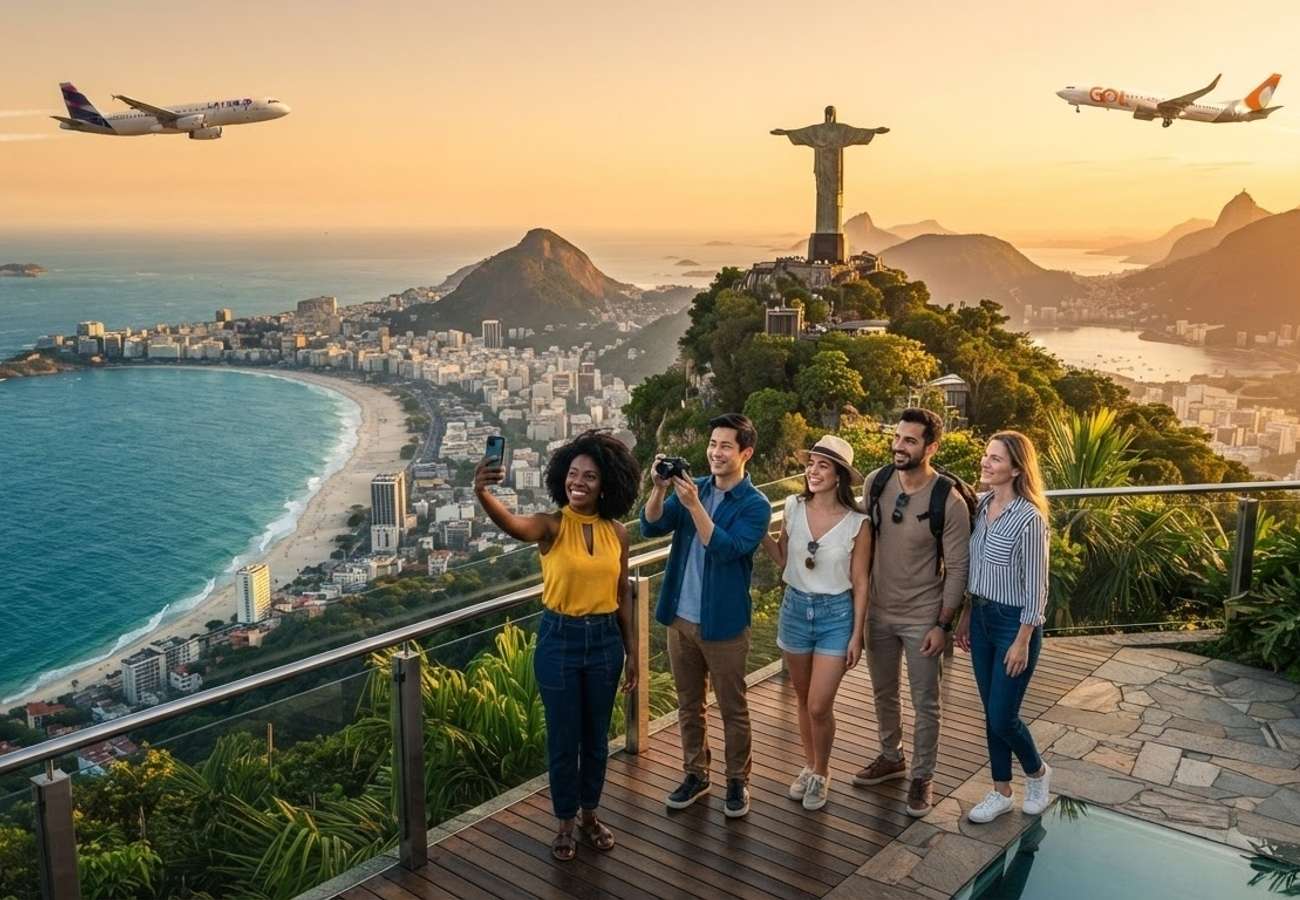
Image generated by AI
Brazil has secured a dominant economic position in the Americas, recording US$6.543 billion in international tourist spending during the first seven months of 2026. This represents a 9.4% increase over the US$5.977 billion spent during the same period in 2025.
The Shift Toward High-Value Tourism in the Americas
A significant pivot is occurring across the Western Hemisphere. While traditional metrics once focused solely on the volume of arrivals, governments from the United States and Mexico to Peru and Jamaica are now prioritizing "tourism receipts"—the actual economic value injected into the domestic market.
Brazil has emerged as a primary beneficiary of this shift. By positioning itself immediately after the US, Canada, and Mexico in terms of international spending, Brazil is proving that its appeal extends beyond the iconic vistas of Rio de Janeiro into a broad, diversified economic engine. The financial impact is no longer confined to luxury hotels; it is circulating through regional transport providers, local retailers, and independent tour operators.
Data Breakdown: Brazil’s 2026 Tourism Surge
The growth is underpinned by a combination of increased visitor volume and higher per-capita spending. According to data released by Brazil’s Central Bank on August 27, the country is seeing a synchronized rise in both arrivals and expenditure.
| Metric | January - July 2026 | January - July 2025 | Growth/Change |
|---|---|---|---|
| Total Tourist Spending | US$6.543 Billion | US$5.977 Billion | +9.4% |
| International Arrivals | Nearly 6 Million | Not Specified | Substantial Rise |
| Air Arrival Share | 68% (Avg) / 77% (July) | Not Specified | +12% (Air Arrivals) |
In July 2026 alone, international visitors injected US$899 million into the economy, highlighting the massive scale of demand during peak travel windows.
The Aviation Catalyst
Air connectivity is the primary driver of this momentum. Air arrivals grew by 12% compared to the same period in 2025. The reliance on aviation is stark: airports handled more than 68% of all international entries from January to July. By July, this figure spiked to over 77%, illustrating that expanded flight routes are the direct gateway to Brazil's economic growth.
For the visitor, this means easier access to non-traditional hubs. The increased connectivity allows travelers to bypass the usual gateways and move directly into regional tourism centers, spreading wealth to communities that previously saw little benefit from international travel.
Cultural and Environmental Value
The real impact of this spending surge is the diversification of the Brazilian experience. Embratur President Bruno Reis has noted that international promotion is successfully pushing visitors away from "over-tourism" hotspots and toward diverse regional activities.
When spending is distributed across multiple sectors—from Amazonian eco-lodges to the vineyards of the south—it supports a more sustainable tourism model. By reducing the pressure on a few primary cities, Brazil is protecting its cultural heritage sites and natural reserves while ensuring that local communities receive direct financial support. This shift transforms the visitor from a passive observer into an active contributor to regional conservation and heritage preservation.
Visitor Insider Tips
For those planning a visit to Brazil during this high-growth period, navigating the country requires a blend of strategic timing and local etiquette.
- Off-Peak Windows: To avoid the July peak (which saw US$899 million in spending), visit during the "shoulder seasons" of April to June or September to November. You will find lower hotel rates and more authentic interactions in regional hubs.
- Regional Dining: Move beyond the churrascarias. Seek out Moqueca (fish stew) in Bahia or Pão de Queijo (cheese bread) from street vendors in Minas Gerais to support micro-economies.
- Cultural Etiquette: Brazilians value social warmth. A few phrases in Portuguese and a genuine interest in local customs go further than any luxury concierge service.
- Hidden Spot: Explore the Lençóis Maranhenses during the rainy season (May to September) when the white dunes fill with turquoise lagoons—a stark contrast to the urban energy of São Paulo.
Tourism Outlook
The trajectory for 2026 suggests that Brazil is no longer just a "bucket list" destination but a resilient tourism economy. If the current momentum holds, the country will likely close the gap with the top three Americas economies. The long-term goal is the creation of a sustainable loop where high-value spending funds the preservation of the very natural and cultural assets that attract the visitors in the first place.
Brazil is redefining the balance between arrival volume and economic value in the Americas.
Related Travel Guides
Disclaimer
This article is for informational and educational purposes only. It does not constitute legal, financial, or professional advice. While we strive to provide accurate and up-to-date information, travel policies, regulations, and conditions change rapidly. Always verify information with official sources before making travel decisions. Nomad Lawyer makes no representations about the accuracy, reliability, completeness, or suitability of the information provided. Readers should consult qualified professionals for advice specific to their circumstances. The views expressed in this article are those of the author and do not necessarily reflect the views of Nomad Lawyer.
Kunal K Choudhary
Co-Founder & Contributor
A passionate traveller and tech enthusiast. Kunal contributes to the vision and growth of Nomad Lawyer, bringing fresh perspectives and driving the community forward.
Learn more about our team →