
US State Department Issues Level 3 Travel Advisory for Saudi Arabia and Oman in September 2026
The US Department of State has maintained a Level 3 Reconsider Travel warning for Saudi Arabia and Oman, citing regional conflict, drone threats, and strict local legal enforcement.

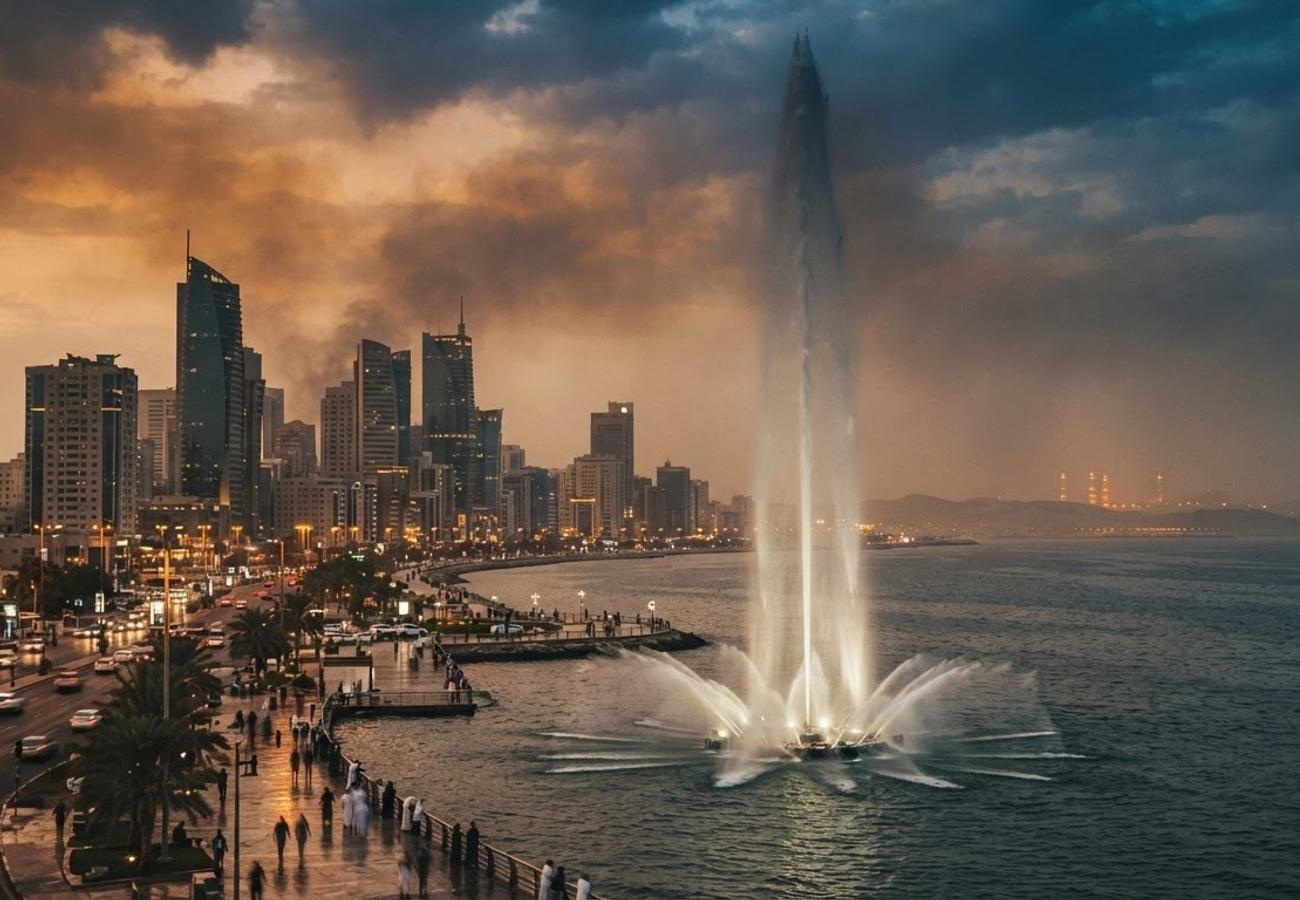
Image generated by AI
Saudi Arabia has activated emergency warnings across major hubs including Mecca, Jeddah, and AlUla, as the US State Department maintains a Level 3 Reconsider Travel alert for the Kingdom. This high-level warning is not a total ban, but a signal that regional volatility—specifically missile and drone threats—has shifted the risk profile for international visitors.
The Shifting Security Climate in the Gulf
As of September 15, 2026, the US Department of State has reaffirmed its Level 3 status for Saudi Arabia, citing a complex mix of terrorism (T) and other (O) risk indicators. While many travelers view the Kingdom through the lens of its massive tourism expansion, the current reality is shaped by regional armed conflict. The alert specifically highlights the danger of drone and missile activity, which has recently prompted the Saudi government to trigger early-warning systems in several key cities.
This security tension is primarily driven by the conflict in Yemen. Houthi forces have recently claimed attacks on Saudi oil giant Aramco facilities in Yanbu and an airbase in Khamis Mushait. While these targets are industrial or military, the ripple effects are felt in the civilian sector. For instance, the US government has designated the border regions near Yemen as Level 4: Do Not Travel, the highest possible warning, due to the imminent risk of rocket and missile strikes.
Interestingly, this isn't an isolated case. Oman also carries a Level 3 warning, though the specific drivers for each nation differ. For those tracking global alerts, the State Department also recently adjusted the status of São Tomé and Príncipe; while it initially appeared as Level 3, it was downgraded to Level 2: Exercise Increased Caution on September 4, 2026, with health remaining the primary concern.
What Makes the Saudi Experience Different Right Now
Visiting Saudi Arabia in 2026 is a study in contradictions. On one hand, the country is investing billions into heritage sites like AlUla and the commercial vibrancy of Jeddah. On the other, the legal and security environment remains rigid. The US advisory explicitly warns visitors about potential exit bans—where the government may prevent a foreigner from leaving the country due to financial, employment, or family disputes.
Furthermore, the Kingdom's laws regarding social media are stringent. Travelers must be aware that certain online activities can lead to legal repercussions. This adds a layer of digital caution that is not present in most other global destinations.
The geography of risk is also highly specific. While a visitor in Riyadh might feel perfectly safe, the western coast and southern borders are currently high-tension zones. The activation of alerts in cities like Taif and Jazan demonstrates that the "security umbrella" can shift rapidly based on Houthi activity in Yemen. For those planning a trip, checking the U.S. Department of State Travel Advisories is the only way to get real-time updates on which provinces are currently under emergency alerts.
Visitor Insider Tips
Navigating a Level 3 destination requires more than just a passport; it requires a strategy. If you are determined to visit, follow these local nuances:
Timing and Location Avoid the southern border regions entirely. If you are visiting AlUla or Jeddah, stay updated via the Saudi Civil Defence alerts. If an emergency warning is triggered, the local protocol is to move indoors immediately and stay away from balconies, rooftops, and windows.
Legal and Digital Etiquette Be extremely mindful of what you post on social media. Avoid criticizing government policies or religious institutions online, as these can be flagged under local laws. Additionally, ensure all your financial obligations (hotel bills, rental fees) are settled promptly to avoid any complications that could lead to an exit ban.
Transport and Logistics Regional security fluctuations can cause sudden flight cancellations or airspace closures. Always book flexible tickets and maintain comprehensive travel insurance that specifically covers "political evacuation" or "regional conflict." For official entry requirements and visa processing, use the Saudi Visa portal.
Cultural Navigation When in Mecca or Medina, remember that these are high-security zones with massive crowds. Keep your documents in a secure, waterproof pouch and always carry a physical copy of your passport and visa, as digital versions may not be accepted during security checkpoints.
Cultural and Environmental Context
The tension between Saudi Arabia's "Vision 2030" tourism goals and its current security reality creates a unique friction. The government is aggressively promoting the country as a global destination, yet the geopolitical reality of the Yemen conflict persists. This is evident in the devastation of Yemeni villages like Al-Akad, which have been left desolate after shelling, contrasting sharply with the luxury resorts being built just across the border.
Tourism in this region is not just about sightseeing; it is an instrument of diplomacy and economic diversification. However, the reliance on high-tech early-warning systems in cities like Yanbu and Jeddah shows that the "tourist experience" is now inextricably linked to military surveillance and regional defense. For the local population, these alerts have become a part of daily life, but for the uninitiated traveler, they can be jarring.
The environmental impact of this conflict is also significant. The displacement of tens of thousands of people in Yemen creates a humanitarian crisis that looms over the prosperity of the Gulf states. Responsible travelers should recognize that their presence in the region supports the economy, but the geopolitical instability is a systemic issue that affects millions of civilians in the neighboring territories.
FAQ: Visiting Saudi Arabia 2026
Is it safe to visit Saudi Arabia despite the Level 3 advisory? Level 3 means "Reconsider Travel." It is not a ban. Many travelers visit safely by avoiding high-risk zones like the Yemen border and following local security directives. Always check the latest State Department updates before booking.
Do I need a visa for Saudi Arabia? Yes, most international visitors require a visa. The e-visa system is the fastest route for eligible nationalities. Ensure your passport is valid for at least six months beyond your planned date of departure.
How do I get to AlUla or Jeddah from Riyadh? Domestic flights are the most efficient method. However, be aware that regional security tensions can occasionally lead to flight delays or changes in flight paths.
What should I do if an emergency alert is issued while I am there? Follow the instructions of the Saudi Civil Defence immediately. Move inside, stay away from windows and balconies, and monitor official government channels for the "all clear" signal.
The line between a luxury getaway and a geopolitical flashpoint is thinner than ever in the modern Gulf.
Related Travel Guides
Disclaimer
This article is for informational and educational purposes only. It does not constitute legal, financial, or professional advice. While we strive to provide accurate and up-to-date information, travel policies, regulations, and conditions change rapidly. Always verify information with official sources before making travel decisions. Nomad Lawyer makes no representations about the accuracy, reliability, completeness, or suitability of the information provided. Readers should consult qualified professionals for advice specific to their circumstances. The views expressed in this article are those of the author and do not necessarily reflect the views of Nomad Lawyer.
Naina Thakur
Contributor & Travel Specialist
Travel enthusiast and legal writer covering visa regulations, responsible tourism, and cultural journeys across global destinations.
Learn more about our team →