
US Labor Day 2026 Travel Alert: Extreme Weather Risks Across Texas, California, Arizona and 7 More States
Millions of US travelers face severe disruptions for the 2026 Labor Day weekend as the National Weather Service warns of extreme heat, flash flooding, and dangerous surf across ten states.
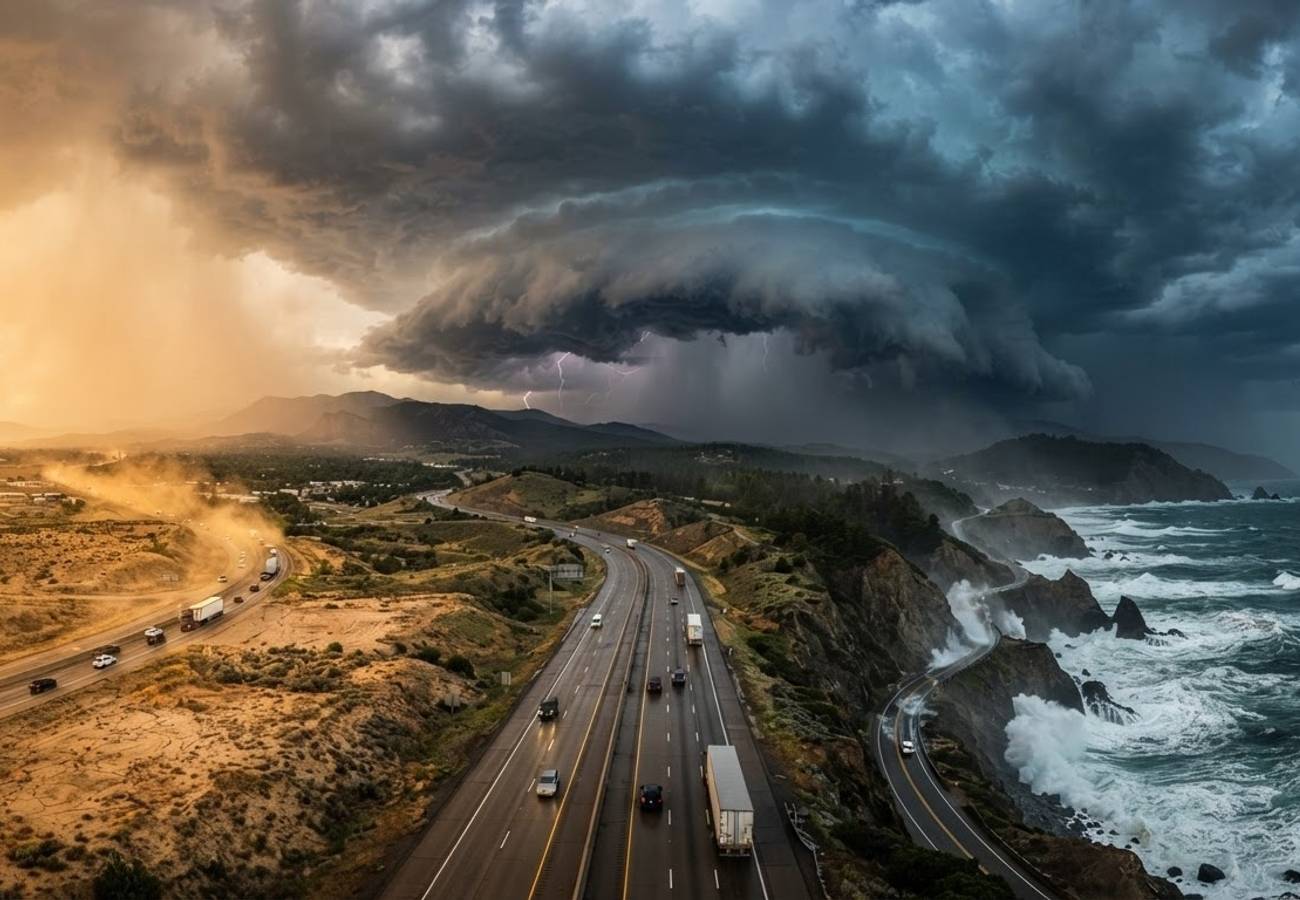
Image generated by AI
Severe weather hazards including triple-digit heat, flash flooding, and high-surf warnings are threatening travel corridors across ten US states for the September 5-7 holiday weekend.
Regional Disruption Analysis
Our analysis of National Weather Service (NWS) data indicates a fragmented weather pattern across the United States, meaning travelers will encounter vastly different risks depending on their destination. The primary threats are concentrated in the South, Southwest, and West Coast.
High-Risk State Breakdown
| State | Primary Travel Hazard | Specific Risk Factors |
|---|---|---|
| Texas | Heat, Storms, Flooding | Highs near 100°F; Tropical Storm Edouard remnants |
| Oklahoma | Extreme Heat | Active Heat Advisories |
| Missouri | Extreme Heat | Heat index values 100-105°F |
| Tennessee | Heat | Late-summer temperature spikes |
| Nebraska | Severe Storms | Large hail and brief tornado potential |
| California | Coastal Hazards | High surf, rip currents, coastal flooding |
| Arizona | Tropical Moisture | Heavy rain and excessive rainfall monitoring |
| Wyoming | Wildfire Risk | Red Flag Warnings and Fire Weather Watches |
| Virginia | Unsettled Weather | Increasing showers and storm fronts |
| Georgia | Heat & Storms | Triple-digit heat index; scattered thunderstorms |
Critical Impact Zones
Texas and the Southern Plains
North Texas is facing extreme conditions with the NWS Fort Worth office forecasting highs in the upper 90s to 100°F. Heat index values are expected to reach or exceed 105°F. In Central and East Texas, the remnants of Tropical Storm Edouard have introduced significant flash-flood risks.
Oklahoma and Missouri are seeing similar trends. In Oklahoma, the NWS Norman office has issued Heat Advisories, while Southern Missouri is reporting afternoon highs near 100°F.
The West Coast and Mountain West
California's coastal regions are under warning for dangerous rip currents and large waves. The NWS Los Angeles office warns that south-facing beaches are particularly susceptible to coastal flooding.
In Wyoming, the risk shifts to fire weather. Red Flag Warnings are currently active across western and central regions, which may lead to sudden road closures or restrictions on outdoor recreation.
The Midwest and Southeast
Nebraska is experiencing high-volatility weather. The NWS Omaha office has flagged potential for large hail and brief tornadoes in north-central areas. In Georgia, the NWS Atlanta office warns that heat index values will return to triple digits before shifting to scattered thunderstorms.
Passenger Rights & Advisory
For the affected passenger, these weather events can trigger flight cancellations, road closures, and hotel disruptions. Our analysis of US Department of Transportation (DOT) guidelines and aviation policies suggests the following:
Flight Disruptions If your flight is cancelled due to weather, the airline is generally not required to provide monetary compensation (unlike EU261/2004). However, you are entitled to:
- A full refund if you choose not to travel after a significant delay or cancellation.
- Rebooking on the next available flight at no additional cost.
Road Travel Safety The NWS provides a critical safety metric for flooding: 12 inches of rushing water can carry away most cars, and 24 inches can sweep away SUVs and trucks. For passengers in Texas and Arizona, we advise rescheduling outdoor activities to the early morning, as this is statistically the coolest part of the day.
Coastal Safety For those visiting California beaches, "good weather" does not equate to "safe water." Always swim near lifeguards and monitor live rip-current alerts.
The simultaneous occurrence of tropical moisture in the Southwest, wildfire conditions in the West, and extreme heat in the Plains creates a "compounding disruption" scenario. When multiple hubs face severe weather, airlines struggle to recover schedules because aircraft and crews are displaced across several affected regions.
Travelers should move beyond static forecasts and utilize hourly NWS updates. A shift in departure time by just four hours can often avoid the peak window for afternoon thunderstorms or extreme heat index peaks.
Stay vigilant and prioritize safety over schedule adherence during this holiday window.
Related Travel Guides
Disclaimer
This article is for informational and educational purposes only. It does not constitute legal, financial, or professional advice. While we strive to provide accurate and up-to-date information, travel policies, regulations, and conditions change rapidly. Always verify information with official sources before making travel decisions. Nomad Lawyer makes no representations about the accuracy, reliability, completeness, or suitability of the information provided. Readers should consult qualified professionals for advice specific to their circumstances. The views expressed in this article are those of the author and do not necessarily reflect the views of Nomad Lawyer.