
Nigeria Cultural Tourism Reaches Landmark Era as Nationwide Museum Revamp and Digital Heritage Expansion Position Nation Alongside Egypt: New Travel Alert
Nigeria cultural tourism enters a new growth phase in 2026 with a nationwide museum revamp and digital upgrades, aligning with Egypt and South Africa.

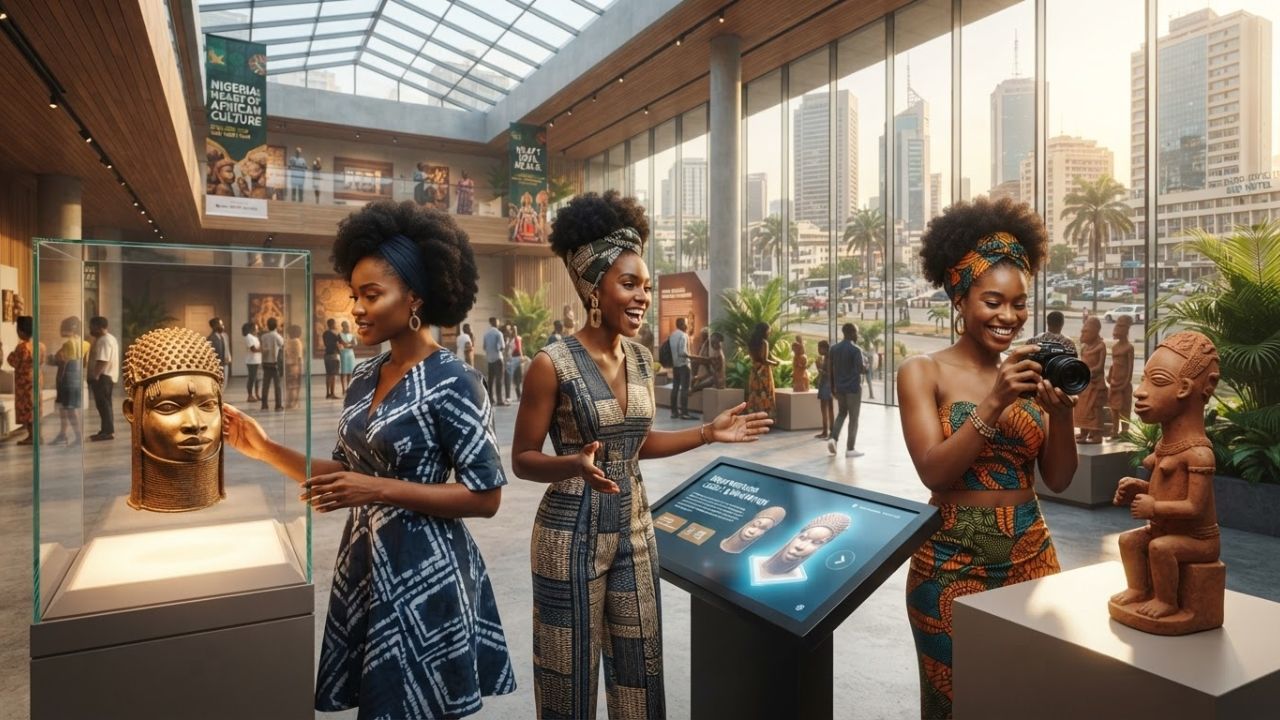
Image generated by AI
Published on July 17, 2026
Africa is witnessing a major transformation in its leisure travel market as Nigeria launches a nationwide museum modernization and digital heritage program. By upgrading physical facilities and expanding online exhibitions, the Federal Government is repositioning Nigeria cultural tourism as a key economic asset to attract domestic and international travelers. Visitors planning journeys to West Africa are urged to monitor these updates, which promise to deliver immersive, technology-driven experiences across the country's historic landmarks.
Quick Summary
- Nationwide Upgrades: The modernization program targets facility renovations, security systems, and interactive galleries.
- Digital Transformation: Digital platforms will document artifacts and launch online exhibitions to reach global audiences.
- Continental Alignment: The initiative places Nigeria alongside established heritage giants like Egypt, Morocco, South Africa, and Ghana.
- Key Coordinator: The National Commission for Museums and Monuments (NCMM) is directing the preservation of collections from ancient kingdoms.
- Economic Integration: Linking upgraded museums with festivals and city tourism aims to support local hospitality and creative industries.
Context and Background: Repositioning Nigeria Cultural Tourism
The global travel sector is seeing a rise in experiential tourism, with travelers actively seeking out authentic encounters connected to history, archaeology, and indigenous communities. To capture a larger share of this market, Nigeria is moving beyond traditional conservation practices to actively promote its cultural assets.
Repositioning Nigeria cultural tourism involves converting static collections into dynamic, educational hubs that stimulate economic growth. This strategy reflects a broader African trend of using historical preservation for destination branding and community revitalization, as noted by the UNESCO World Heritage Centre.
Event and Incident Details: The Nationwide Revamp and Digital Platforms
Nigeria’s museum transformation program focuses on upgrading aging facilities, improving security, and introducing interactive displays to enhance visitor engagement. The campaign is managed by the National Commission for Museums and Monuments (NCMM), which oversees dozens of museums and heritage sites across the nation:
- Facility Upgrades: Renovation of exhibition spaces to protect valuable archaeological discoveries, royal traditions, and artistic works.
- Security Enhancements: Installation of modern conservation facilities and surveillance systems to secure ancient artifacts.
- Digital Heritage Platforms: Launch of online exhibitions and digital documentation projects, allowing global researchers and tourists to explore collections remotely.
- Community Cultural Links: Integrating museum assets with local craft industries, traditional festivals, and historic cities to encourage longer visitor stays.
How Nigeria Cultural Tourism Compares to Other African Leaders
By investing in cultural infrastructure, Nigeria aligns itself with leading African destinations that have successfully utilized history to build powerful international brands:
Egypt’s Ancient Civilization Benchmark
Egypt remains the premier model of heritage tourism, built around archaeological discoveries and high-profile developments like the Grand Egyptian Museum near the Giza pyramids. Egypt’s museum ecosystem directly supports hotels, airlines, and local tour operators, demonstrating how historical assets can serve as primary economic drivers.
Morocco’s Living Culture Model
Morocco attracts millions of visitors by blending historic architecture in Marrakech, Fez, and Rabat with traditional crafts, Islamic design, and cultural festivals. Nigeria can draw valuable lessons from Morocco's model by connecting its museums with urban networks and local creative markets.
South Africa’s Historical Storytelling
South Africa uses key cultural institutions like the Apartheid Museum and the Iziko Museums to tell complex national histories. These sites attract international cultural travelers, support regional employment, and strengthen South Africa's destination branding.
Ghana’s Diaspora and Remembrance Tourism
Ghana has developed a strong heritage sector by preserving historical sites like Cape Coast Castle and Elmina Castle. These landmarks create emotional connections with visitors, drawing the African diaspora and establishing Ghana as a key West African cultural destination.
Risk and Impact: Challenges of Infrastructure and Security Management
While the museum modernization program offers significant growth potential, local authorities must navigate several challenges:
- Managing Facility Maintenance: Consistently funding the upkeep of remote regional museums requires stable public-private partnerships.
- Securing High-Value Artifacts: Upgrading security systems across dozens of properties is essential to protect collections from theft or environmental damage.
- Bridging the Digital Divide: Developing online exhibitions requires stable internet infrastructure, which remains uneven in some regional districts.
- Curbing Commercial Exploitation: Ensuring that the financial benefits of heritage tourism reach rural craftsmen and local guides rather than non-local corporate entities.
What Authorities Are Saying: Official Focus on Cultural Infrastructure
State planners and conservation specialists have emphasized that modernizing museums is critical for preserving national identity. The NCMM has stated that converting traditional collection centers into interactive hubs is vital for educational tourism, research, and destination branding.
By leveraging digital storytelling and modern display technologies, the commission aims to attract younger, tech-savvy travelers who rely on digital platforms to discover new travel destinations.
Practical Traveler Advice: Navigating Nigeria's Cultural Sites
For travelers planning to explore Nigeria’s cultural and historical sites, heritage coordinators suggest the following practical tips:
- Pre-Book Museum Tours Online: Check the NCMM digital platforms to verify museum operating hours and coordinate guided tours in advance.
- Combine Visits with Local Festivals: Plan your itinerary to align with major cultural festivals to experience living heritage alongside museum collections.
- Support Local Artisans: Purchase traditional crafts directly from community cooperatives operating near museum compounds to support the local economy.
- Follow Conservation Guidelines: Respect photography restrictions and environmental rules inside historic ruins and ancient kingdom preserves.
Looking Ahead: The Future of Digital Heritage in Africa
As technology continues to reshape the travel industry, digital documentation and virtual tours will play an increasingly important role in tourism marketing. Looking ahead, Nigeria plans to expand its partnerships with international technology firms to digitize more archaeological collections.
This digital transformation, combined with physical museum upgrades, will help secure Nigeria's role as a leading cultural gateway, preserving its diverse history while driving long-term economic development.
Ultimately, travelers must remain proactive and vigilant by monitoring destination entry guidelines and booking museum packages through verified coordinators.
FAQ: Nigeria Cultural Tourism & Museum Upgrades 2026
What is the goal of Nigeria's museum revamp program?
The program aims to modernize aging facilities, improve security, and introduce digital platforms to transform museums into interactive, globally competitive cultural tourism attractions.
Which authority manages Nigeria's national museums?
The National Commission for Museums and Monuments (NCMM) is the primary government body responsible for managing and preserving Nigeria's national museums, historical monuments, and archaeological assets.
How does Nigeria's strategy align with other African nations?
Nigeria is adopting successful models from countries like Egypt, Morocco, South Africa, and Ghana, where well-preserved historical landmarks and museums serve as key drivers of tourism growth.
Will virtual travelers be able to access Nigeria's museum collections?
Yes, the initiative includes expanding digital heritage platforms, allowing global audiences to explore online exhibitions and digital documentations of historic Nigerian artifacts.
Related Travel Guides
- Nevada Hotel Tourism Explodes as Premium Value Shift Reshapes United States Hospitality, Urging Travelers to Plan Ahead and Secure Bookings: New Travel Alert
- Singapore Changi Airport Expands Global Aviation Network Ahead of Terminal 5 to Connect India, Vietnam, and Central Asia, Urging Travelers to Explore New Gateways: New Travel Alert
- The Ultimate West Africa Heritage Guide: Ghana and Nigeria Cultural Itineraries, According To Reddit
- Target Tags: Nigeria cultural tourism, African heritage tourism, museum revamp Nigeria, digital heritage innovation, Travel Alert
Disclaimer
This article is for informational and educational purposes only. It does not constitute legal, financial, or professional advice. While we strive to provide accurate and up-to-date information, travel policies, regulations, and conditions change rapidly. Always verify information with official sources before making travel decisions. Nomad Lawyer makes no representations about the accuracy, reliability, completeness, or suitability of the information provided. Readers should consult qualified professionals for advice specific to their circumstances. The views expressed in this article are those of the author and do not necessarily reflect the views of Nomad Lawyer.
Kunal K Choudhary
Co-Founder & Contributor
A passionate traveller and tech enthusiast. Kunal contributes to the vision and growth of Nomad Lawyer, bringing fresh perspectives and driving the community forward.
Learn more about our team →