
France Confronts Severe Wildfire Crisis as Cap Ferret Peninsula Evacuates Tourists Amid Spreading Coastal Flames: New Travel Alert
France orders evacuations of Cap Ferret and Biscarosse as a major wildfire crisis destroys over 11,000 hectares along the southwestern Atlantic coast.

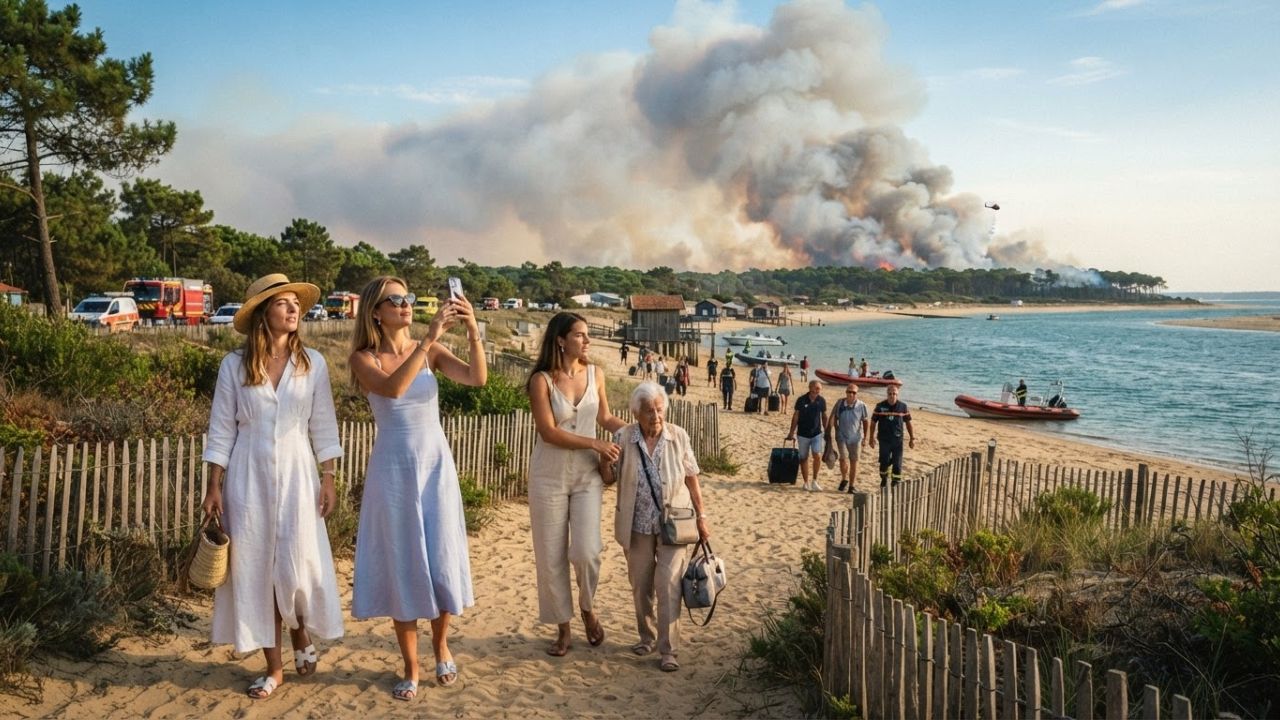
Image generated by AI
Published on July 24, 2026
As a devastating wildfire crisis expands along the Atlantic coast, French authorities have ordered the immediate evacuation of the popular Cap Ferret holiday peninsula. Extreme heat, severe drought, and dry vegetation are fueling multiple out-of-control blazes across southwestern France, threatening coastal communities, campsites, and local infrastructure. Domestic and international travelers visiting the Gironde region must monitor emergency alerts, prepare for transport delays, and cooperate with evacuation orders.
Quick Summary
- Peninsula Evacuation: Authorities cleared the Cap Ferret peninsula using boats and a single land route to safely extract tourists and residents from the fire's path.
- Massive Land Destruction: The primary blaze near Cap Ferret has consumed approximately 8,700 hectares of coastal forests and natural areas.
- Secondary Biscarosse Blaze: A separate fire 40 kilometers south has destroyed 2,500 hectares, forcing the evacuation of over 23,000 people.
- European Support Mobilized: France has requested emergency aerial support, securing specialized water-bombing aircraft and helicopters from European partners.
- Vulnerable Groups Displaced: Evacuations in the affected zones included residential care facilities and a children's summer camp.
Context and Background: Extreme Weather Driving the Wildfire Crisis
The southwestern coast of France is historically one of the nation's premier summer travel destinations, attracting thousands of visitors to its pine forests, sandy beaches, and seafood villages. However, repeated heatwaves and record-low rainfall have created an extremely volatile environment. The ongoing wildfire crisis is a direct result of these severe weather conditions, which have turned dry coastal vegetation into highly flammable fuel.
Under the direction of the Gironde Prefecture and local emergency coordinators, firefighters are struggling to contain the flames in difficult terrain. The situation has highlighted the vulnerability of seasonal tourism hotspots to natural disasters, requiring rapid evacuation planning for areas with high tourist density. With local firefighting forces heavily strained, the government is prioritizing the preservation of lives and property above all else.
Event/Incident Details: Spreading Blazes and Evacuation Routes
The wildfire near Cap Ferret has spread rapidly, consuming approximately 8,700 hectares of land. Due to the peninsula's geographic layout, emergency services had to deploy a multi-modal rescue plan to extract visitors. While some evacuees left via the single road connecting the peninsula to the mainland, emergency teams used boats to transport people away from threatened coastal areas.
The regional impact of the crisis is compounded by a second major fire near Biscarosse:
- The Biscarosse Fire: Located 40 kilometers south of Cap Ferret, this blaze has consumed 2,500 hectares of forest.
- Mass Evacuation: More than 23,000 people have been ordered to leave the Biscarosse zone, including holidaymakers at popular forest campsites.
- Displaced Care Centers: Emergency teams evacuated a children's summer camp and a residential care facility for vulnerable adults.
- International Support: The Sécurité Civile is coordinating with European partners to deploy water-bombing aircraft and helicopters to reinforce ground crews.
According to regional reports, firefighters are dividing their resources between these multiple fronts while local communities are providing additional water supplies to support the operations.
Risk/Impact: Safety Hazards for Coastal Travelers
The expanding fires and extreme weather introduce several critical risks for anyone currently in southwestern France:
- Limited Exit Routes: The Cap Ferret peninsula's geography relies on a single main road, making it highly vulnerable to traffic blockages during emergencies.
- Air Quality Degradation: Thick smoke and ash from the burning pine forests present respiratory hazards, particularly for children, the elderly, and those with pre-existing conditions.
- Rapid Fire Spread: Strong winds and high temperatures can cause the flames to change direction unexpectedly, trapping unprepared motorists or hikers.
- Loss of Accommodation: Multiple campsites and holiday resorts have been damaged or closed, forcing travelers to seek alternative lodging.
What Authorities Are Saying: Prioritizing Life and Coordination
Emergency management officials are emphasizing that compliance with evacuation orders is mandatory. The Gironde local government has warned that trying to stay to protect personal property puts both residents and rescue workers at risk.
Meteorologists from Météo-France state that the combination of prolonged drought and high wind speeds will keep fire risks at critical levels for the foreseeable future. Authorities are urging the public to avoid traveling to the affected coastal districts to ensure that emergency vehicles have unimpeded access to the roads.
Practical Traveler Advice: Staying Safe During a Wildfire Crisis
For travelers planning or currently undertaking trips along France's Atlantic coast, safety experts suggest the following guidelines:
- Monitor Official Information Channels: Keep track of real-time alerts from local prefectures, civil protection services, and meteorological agencies.
- Review Evacuation Routes: Familiarize yourself with the roads and emergency assembly points in your destination, noting any alternative water transit options.
- Carry Mandatory Safety Gear: Keep passports, essential medications, and face masks easily accessible in a grab-and-go bag.
- Follow Air Quality Advisories: Stay indoors or wear protective masks if wind patterns blow heavy smoke toward your location.
- Adjust Travel Plans Early: Do not attempt to travel toward Gironde or Landes coastal districts if active fires are reported nearby; rebook accommodations in safer regions.
Broader Context: Evolving Climate Risks for European Tourism
The situation in southwestern France reflects a broader pattern of increasing environmental risks affecting European travel destinations. Severe heatwaves and droughts are extending the length and intensity of wildfire seasons, presenting long-term challenges for the hospitality and travel sectors.
Destinations like Cap Ferret and Biscarosse rely heavily on seasonal tourism revenue to support local businesses, restaurants, and hotels. The rising frequency of summer evacuations is forcing operators to develop more resilient crisis management plans and invest in robust fire prevention measures. For modern travelers, checking seasonal weather and forest conditions has become as essential as booking flights and hotel rooms.
Looking Ahead: Containment Efforts and Rebuilding Plans
Over the coming days, international firefighting teams will focus on establishing containment lines around the Cap Ferret and Biscarosse blazes. The deployment of European aerial assets is expected to slow the fire's advance, allowing ground crews to secure vulnerable perimeters.
Once the immediate threat is contained, authorities will launch environmental impact studies to evaluate the damage to the coastal pine forests. Regional tourism boards will also work to restore transport infrastructure, though full recovery for the affected campsites and resorts is expected to take months.
Conclusion: Emphasizing Preparedness and Vigilance
France's ongoing wildfire crisis serves as a sober reminder of the power of natural disasters to disrupt summer travel plans. While the emergency services work tirelessly to bring the flames under control, travelers must prioritize their personal safety above all else. By staying informed, following local authority instructions, and emphasizing preparedness and vigilance, visitors can navigate this critical situation safely.
FAQ: Cap Ferret Wildfire and Evacuations
What caused the evacuations at the Cap Ferret peninsula?
A large wildfire, fueled by extreme heat and prolonged dry conditions, forced the evacuation of the Cap Ferret peninsula to protect tourists and residents.
How much land has been destroyed by the fires?
The Cap Ferret fire has consumed approximately 8,700 hectares, while the secondary fire near Biscarosse has destroyed 2,500 hectares, totaling over 11,000 hectares.
How were people evacuated from the Cap Ferret peninsula?
Due to limited road access, emergency teams used a combination of rescue boats and the single road connecting the peninsula to the mainland.
What support is France receiving to fight the fires?
France has requested assistance through European emergency channels, securing water-bombing planes and helicopters from partner countries to support ground crews.
Related Travel Guides
The 10 Best Halloween Events in the United States, According to Reddit
Disclaimer
This article is for informational and educational purposes only. It does not constitute legal, financial, or professional advice. While we strive to provide accurate and up-to-date information, travel policies, regulations, and conditions change rapidly. Always verify information with official sources before making travel decisions. Nomad Lawyer makes no representations about the accuracy, reliability, completeness, or suitability of the information provided. Readers should consult qualified professionals for advice specific to their circumstances. The views expressed in this article are those of the author and do not necessarily reflect the views of Nomad Lawyer.
Kunal K Choudhary
Co-Founder & Contributor
A passionate traveller and tech enthusiast. Kunal contributes to the vision and growth of Nomad Lawyer, bringing fresh perspectives and driving the community forward.
Learn more about our team →