
US Joins Netherlands and Others as South Africa’s Garden Route Boosts Luxury Tourism With Lodge Revival
US Joins Netherlands and Others as South Africa’s Garden Route Boosts Luxury Tourism With Lodge Revival

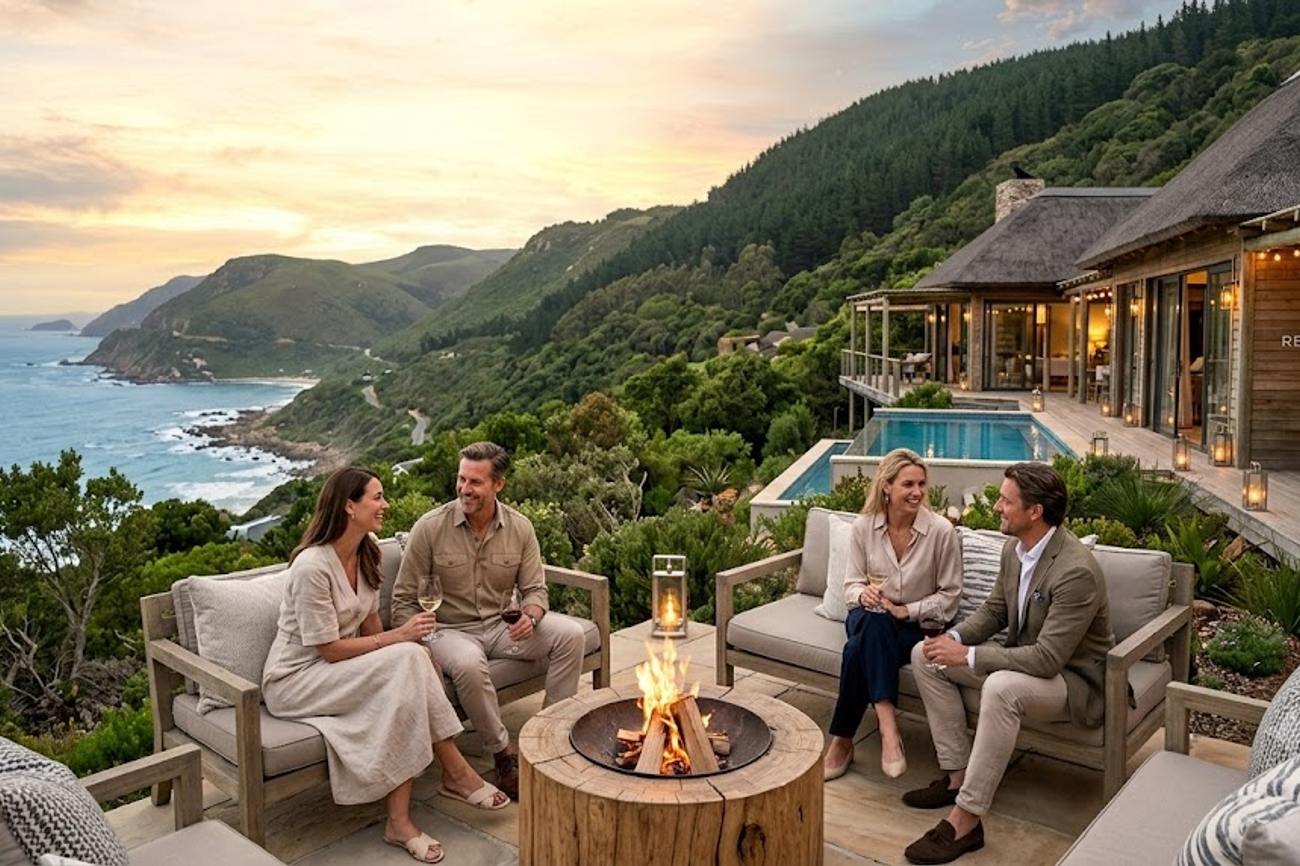
Image generated by AI
16 private suites have undergone a multi-million Rand transformation at Hog Hollow Country Lodge, signaling a broader strategic pivot toward high-yield luxury tourism along South Africa’s Garden Route. This refurbishment, located in The Crags near Plettenberg Bay, is not an isolated renovation but part of a systemic effort to capture an increasing share of the premium travel market from the United States, the Netherlands, Germany, and the United Kingdom. By upgrading shared guest areas and dining spaces while preserving its proximity to the Matjies River Gorge and the indigenous Tsitsikamma forest, the lodge is positioning itself to meet the specific demands of long-haul travelers who now prioritize "immersive luxury"—the intersection of five-star comfort and raw, protected wilderness.
The Strategic Pivot to Premium Nature Tourism
The Garden Route has long been a staple of South African tourism, but the recent capital injection into properties like Hog Hollow Country Lodge suggests a shift in the business model. Rather than competing on volume, the region is moving toward a high-value, low-impact model. This transition is driven by a global shift in traveler psychology, particularly among North American and European demographics, where the "luxury" label has evolved from gilded hotels to exclusive access to nature.
The decision to invest multi-million Rand into a boutique 16-suite property reflects a calculated bet on the "slow travel" movement. By focusing on the Tsitsikamma indigenous forest and the coastal ecosystems of Plettenberg Bay, the region is leveraging its natural capital to attract visitors who stay longer and spend more per capita. This is a critical economic hedge for South Africa, as it reduces reliance on mass-market tourism and focuses on a demographic that is less price-sensitive and more focused on sustainability and exclusivity.
Market Breakdown: The Long-Haul Demand Engine
The current surge in luxury lodge revival is being fueled by four primary international corridors. Each market brings a distinct set of expectations that the Garden Route is now specifically tailoring its offerings to meet.
| Target Market | Primary Driver | Key Experience Focus | Accommodation Requirement |
|---|---|---|---|
| United States | Nature-based immersive holidays | Marine activities & wildlife conservation | High-end boutique privacy |
| Netherlands | Sustainable & eco-conscious travel | Coastal ecosystems & forest hiking | Eco-luxury integration |
| Germany | Active outdoor adventure | Mountain and forest exploration | Modern comfort for long stays |
| United Kingdom | Heritage and leisure blending | Scenic road trips & coastal escapes | Premium hospitality standards |
For the American market, the appeal lies in the "discovery" aspect of Plettenberg Bay. US travelers are increasingly bypassing traditional city hubs in favor of scenic drives and conservation-led attractions. The South African National Tourism strategy has clearly recognized this, as the infrastructure along the Garden Route is being upgraded to mirror the luxury safari experiences found in the Kruger region, but with a coastal and forest twist.
European markets, particularly the Netherlands and Germany, are driving the demand for sustainable luxury. These travelers are not just looking for a plush bed; they are looking for a carbon-conscious stay that allows them to engage with the Tsitsikamma forest without compromising on service. The refurbishment of Hog Hollow’s dining and lounge areas specifically addresses the European preference for "experiential dining" where the environment is as important as the menu.
Expert Analysis: The Economics of the Lodge Revival
For travelers booking the Garden Route, the direct consequence of this luxury pivot is a narrowing of the "mid-range" gap. We are seeing a market bifurcation: the emergence of ultra-premium boutique lodges and the persistence of budget guest houses, with the middle ground disappearing. This pricing pressure means that the "standard" Garden Route road trip is becoming an upscale experience.
The revival of lodges like Hog Hollow is a response to the "Experience Economy." In the previous decade, luxury was defined by the amenities inside the room. Today, luxury is defined by the view from the room—specifically, the unobstructed access to the Matjies River Gorge or the Tsitsikamma canopy. By upgrading all 16 suites, the lodge is ensuring that no guest has a "sub-par" experience, which is essential for maintaining the high ratings required to attract US and UK travelers who rely heavily on digital peer reviews and International Air Transport Association (IATA) connected travel hubs.
Furthermore, this trend signals a geopolitical shift in tourism flow. By strengthening the luxury offering in Plettenberg Bay, South Africa is positioning the Garden Route as a viable alternative to other global nature destinations like Costa Rica or New Zealand. The ability to combine marine activities, indigenous forest exploration, and high-end hospitality in a single geographic corridor creates a "sticky" destination that encourages longer itineraries.
The US has joined the Netherlands and other countries in recognizing the potential of South Africa's Garden Route, a scenic stretch of coastline known for its natural beauty and outdoor activities. As luxury tourism in the area continues to grow, travelers can find information on visa requirements and travel regulations on the official website of the South African Department of Home Affairs. This revival of luxury lodges is expected to attract high-end tourists from around the world, further boosting the local economy.
Key Takeaways
- Infrastructure Upgrade: Hog Hollow Country Lodge has completed a multi-million Rand overhaul of its 16 private suites and common areas to attract high-net-worth travelers.
- Market Diversification: There is a concerted effort to attract US, Dutch, German, and British tourists through a blend of adventure and luxury.
- Eco-Luxury Trend: The focus has shifted toward "nature-focused identity," utilizing the Tsitsikamma forest and Matjies River Gorge as primary value drivers.
- Economic Impact: The shift toward premium leisure tourism is designed to boost the local economy by attracting visitors with higher average daily spends.
- Strategic Location: Plettenberg Bay is being positioned as the anchor for a luxury nature circuit involving hiking, kayaking, and conservation.
FAQ: Garden Route Luxury Travel 2024
Is Plettenberg Bay suitable for luxury travelers from the US and Europe? Yes. The region has seen a significant increase in boutique lodge refurbishments, such as Hog Hollow Country Lodge, providing the high-end accommodation, dining, and privacy standards expected by international premium travelers.
What are the best activities for nature lovers in the Garden Route? Visitors should prioritize exploring the Tsitsikamma indigenous forest, engaging in marine activities in Plettenberg Bay, and taking scenic road trips through the coastal ecosystems of the Garden Route.
How has the accommodation changed in the Plettenberg Bay area? There is a clear trend toward "boutique luxury," where traditional lodges are being transformed into high-end suites that combine modern amenities with direct access to protected natural landscapes.
Which international markets are most active in South African luxury tourism? The United States, United Kingdom, Germany, and the Netherlands are currently the primary drivers of demand for premium nature-based experiences in the region.
The Garden Route is no longer just a scenic stopover; it is becoming a destination of primary luxury.
Related Travel Guides
Disclaimer
This article is for informational and educational purposes only. It does not constitute legal, financial, or professional advice. While we strive to provide accurate and up-to-date information, travel policies, regulations, and conditions change rapidly. Always verify information with official sources before making travel decisions. Nomad Lawyer makes no representations about the accuracy, reliability, completeness, or suitability of the information provided. Readers should consult qualified professionals for advice specific to their circumstances. The views expressed in this article are those of the author and do not necessarily reflect the views of Nomad Lawyer.
Preeti Gunjan
Contributor & Community Manager
A passionate traveller and community builder. Preeti helps grow the Nomad Lawyer community, fostering engagement and bringing the reader experience to life.
Learn more about our team →