
New Zealand Transforms Luxury Tourism With New Advisor Programme Showcasing Exclusive Experiences
New Zealand Transforms Luxury Tourism With New Advisor Programme Showcasing Exclusive Experiences

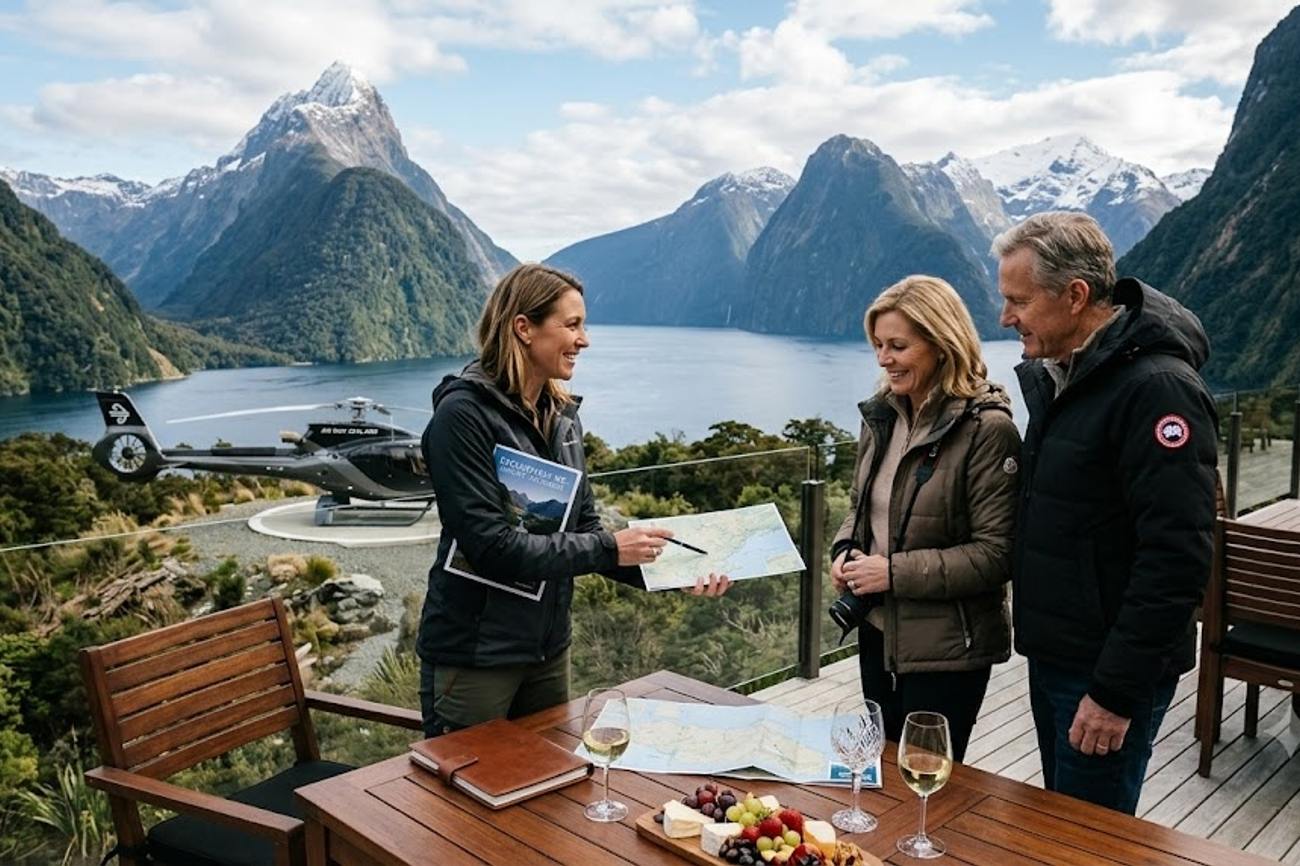
Image generated by AI
Zero is the number of luxury travelers who can now navigate New Zealand's high-end market without a specialized intermediary. The shift toward a hyper-curated, advisor-led ecosystem represents a fundamental change in how Tourism New Zealand is positioning the archipelago against other global luxury destinations. By moving away from mass-market visibility and toward a closed-loop network of certified travel advisors, the country is attempting to solve a long-standing tension between high-volume tourism and the preservation of its ecological integrity.
The Architecture of High-Value Tourism
For years, New Zealand struggled with a "volume vs. value" paradox. The influx of mid-market tourists created significant strain on infrastructure, particularly in the South Island's alpine regions. The current strategic pivot focuses on attracting the "high-net-worth individual" (HNWI) who spends more per day but occupies a smaller physical footprint. This is not merely a marketing change; it is a structural realignment of the tourism supply chain.
The core of this strategy is the New Zealand travel advisor programme. Rather than relying on digital booking engines or generalist agencies, the government is investing in a rigorous certification process for global travel professionals. This ensures that the advisors selling "premium New Zealand holidays" are not just booking hotels, but are orchestrating complex, multi-modal itineraries that include private aviation, exclusive land access, and indigenous cultural experiences.
By tightening the gatekeeping mechanism, the New Zealand Tourism board is effectively creating a curated luxury corridor. This reduces the risk of "over-tourism" in fragile zones while maximizing the GDP contribution per visitor. The goal is to move the needle from quantity to quality, ensuring that the luxury traveler's spend reaches deep into regional economies rather than staying trapped in the major hubs of Auckland and Queenstown.
Quantifying the Premium Experience
The luxury sector in New Zealand is defined by "access" rather than "opulence." While traditional luxury in Europe might be defined by gold-leaf hotels, the New Zealand model is built on exclusivity and isolation. This is reflected in the operational costs and pricing structures of the premium offerings.
The following data points illustrate the current state of the high-end market:
| Luxury Segment | Key Driver | Primary Asset | Market Focus |
|---|---|---|---|
| Ultra-Luxe Lodges | Seclusion | Private Land Tenure | Global HNWI |
| Private Aviation | Efficiency | Helicopter/Jet Charters | Time-Poor Executives |
| Cultural Immersion | Authenticity | Māori-led Experiences | Experiential Seekers |
| Adventure Premium | Exclusivity | Private Guided Treks | Active Wealth |
The integration of private aviation is particularly significant. Because New Zealand's geography is fragmented by mountains and sea, the use of helicopters is not a novelty but a logistical necessity for the high-end traveler. This has led to a surge in partnerships between luxury lodges and aviation firms, creating a seamless "door-to-door" experience that bypasses traditional airport congestion.
Expert Analysis: The Logistics of Exclusivity
For travelers booking these routes, the direct consequence of this advisor-centric model is the disappearance of "off-the-shelf" luxury. You cannot simply book a top-tier lodge and expect a premium experience; the value now lies in the "invisible" layers of the trip—the private permits for restricted conservation areas, the pre-arranged access to private vineyards, and the synchronization of transport.
The pricing pressure created by this shift is twofold. First, the cost of entry for the traveler has risen, as the "premium" label now includes the cost of the expert curation. Second, the service providers themselves are raising rates to account for the lower volume of guests. This is a deliberate economic filter. By pricing out the "aspirational" traveler and targeting the "established" wealthy, New Zealand is protecting its brand equity from the dilution that occurs when luxury becomes too accessible.
New Zealand's luxury tourism sector is set to receive a significant boost with the introduction of a new advisor programme, designed to showcase exclusive experiences to high-end travelers. The programme is being led by Tourism New Zealand, the official tourism board, which aims to promote the country's unique offerings and provide travelers with unforgettable experiences. By partnering with local tourism operators, the programme will offer bespoke itineraries and exclusive access to some of New Zealand's most stunning destinations.
From a regulatory standpoint, this aligns with the broader goals of the International Air Transport Association (IATA) regarding sustainable aviation and the movement toward higher-yield, lower-frequency travel patterns. When a single luxury traveler spends ten times more than a budget traveler while using the same amount of airport infrastructure, the economic efficiency of the journey increases.
Furthermore, the focus on Māori-led luxury experiences is a critical geopolitical move. By integrating indigenous ownership into the high-end sector, the government is ensuring that luxury tourism is not a colonial imposition but a partnership. This adds a layer of "cultural capital" that cannot be replicated by competitors in the Caribbean or the Maldives. The traveler is not just buying a room; they are buying a sanctioned entry into a living culture.
Key Takeaways
- The New Zealand travel advisor programme has shifted the market from open-access booking to a curated, intermediary-led system.
- Luxury is being redefined as "exclusive access" to remote geography and indigenous culture rather than traditional material opulence.
- Private aviation is the primary logistical glue holding the premium itinerary together, reducing transit times across fragmented landscapes.
- Higher pricing is being used as a deliberate tool to reduce environmental impact while increasing per-capita economic contribution.
- Cultural integration with Māori providers is the primary differentiator separating New Zealand from other high-end nature destinations.
FAQ: New Zealand Luxury Travel 2024
Do I need a certified advisor to book luxury lodges in New Zealand? While some lodges accept direct bookings, the most exclusive experiences and integrated logistics (like private charters and permits) are often only accessible through the official travel advisor programme.
What is the difference between a "premium" and "luxury" holiday in New Zealand? Premium typically refers to high-end hotels and standard tours. Luxury in the New Zealand context implies total privatization, bespoke itineraries, and access to restricted locations.
How does private aviation impact the cost of a New Zealand trip? Significantly. Helicopter transfers are often the primary mode of transport between luxury lodges in the South Island, often adding several thousand dollars to the daily budget.
Are luxury experiences in New Zealand sustainable? The strategy focuses on "low-impact, high-value," meaning fewer visitors who pay a premium that funds conservation and indigenous community development.
The era of the independent luxury wanderer in New Zealand has ended; the era of the curated journey has begun.
Related Travel Guides
- Italy Overtakes Switzerland and Other Spa Destinations as Wellness Awards Reshape Europe Travel in 2026
- Ireland Travel Surges As Shannon Airport Crosses One Million Summer Passengers With New Routes Growth
- United Kingdom Unites Germany and Others as Spain Strengthens Tourism Training With AI Sustainability Focus
Disclaimer
This article is for informational and educational purposes only. It does not constitute legal, financial, or professional advice. While we strive to provide accurate and up-to-date information, travel policies, regulations, and conditions change rapidly. Always verify information with official sources before making travel decisions. Nomad Lawyer makes no representations about the accuracy, reliability, completeness, or suitability of the information provided. Readers should consult qualified professionals for advice specific to their circumstances. The views expressed in this article are those of the author and do not necessarily reflect the views of Nomad Lawyer.
Kunal K Choudhary
Co-Founder & Contributor
A passionate traveller and tech enthusiast. Kunal contributes to the vision and growth of Nomad Lawyer, bringing fresh perspectives and driving the community forward.
Learn more about our team →