
US Halloween Spending To Reach Historic $13.5 Billion In 2026 As Personalised Decor Trends Grow
US Halloween Spending To Reach Historic $13.5 Billion In 2026 As Personalised Decor Trends Grow

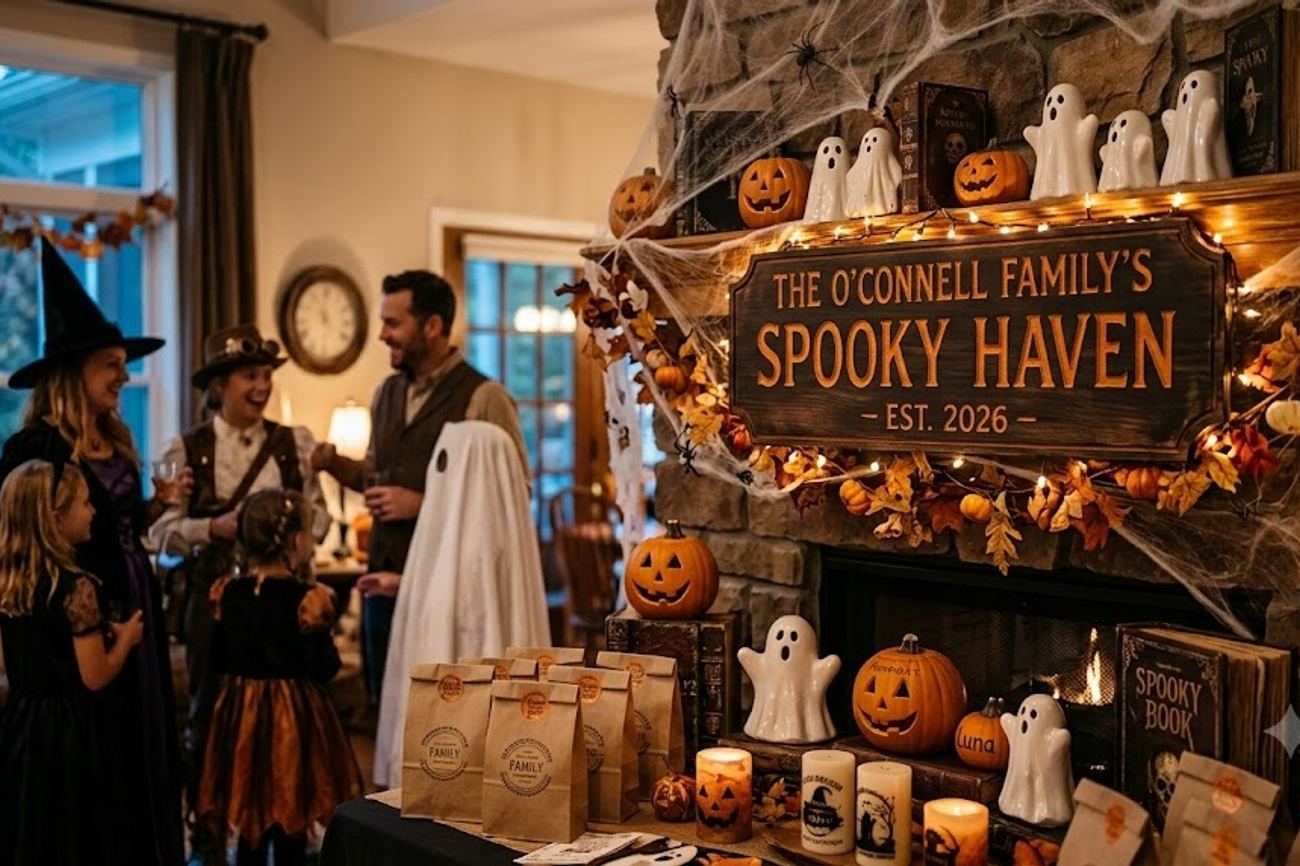
Image generated by AI
[New York, September 2026] — United States consumers are projected to spend a record-breaking $13.5 billion on Halloween this year, driven by a surge in personalized celebrations and a shift toward DIY home decor.
The spending spike, detailed in recent data from the National Retail Federation (NRF), reflects a broader behavioral change in how Americans approach the holiday. Rather than relying solely on mass-produced retail goods, shoppers are increasingly integrating handmade elements into their celebrations. This trend is coupled with an aggressive shift in shopping timelines, as nearly half of all consumers are now initiating their seasonal purchases in September or earlier.
The Catalyst for Record Spending
The current spending trajectory is fueled by a dual demand for high-end commercial decorations and a rapidly growing interest in "creative personalization." According to research from Resparked, the appetite for handmade projects is accelerating faster than the demand for finished retail products.
In the month preceding September 1, search queries for "Halloween crafts" surged by 131%, totaling approximately 11,000 searches across the U.S. During the same window, searches for "Halloween decor" rose by 68%, reaching roughly 27,000. Combined, these terms generated 38,000 searches, signaling that while commercial decor remains the primary driver, the momentum is shifting toward the "maker" economy.
This shift is characterized by what Resparked CEO Santiago Roa terms "Snack-Hobbies"—low-barrier, small-scale creative projects that allow individuals to customize objects without requiring professional equipment or significant time commitments. These activities serve as a tactile reprieve from screen-based labor, allowing consumers to engage in physical creation for short bursts of time.
Market Impact and Consumer Behavior
The record $13.5 billion expenditure is not distributed evenly across all product categories. A significant portion of this budget is dedicated to the visual transformation of the home, with decorations alone expected to account for $4.3 billion of the total spend.
The following data points outline the specific shifts in consumer priorities for the 2026 season:
- Sustainability and Utility: 34% of shoppers intend to purchase items that can be repurposed or reused in future years, moving away from single-use plastics.
- Early Adoption: 49% of consumers report starting their shopping in September or earlier, extending the traditional retail window.
- Price Sensitivity: Despite record spending, value remains a priority. 31% of consumers will compare prices if costs exceed expectations, and 26% are actively seeking coupons or promotional discounts.
- The "Handmade" Pivot: The 131% increase in craft searches suggests a move toward "personality-driven" decor, such as engraved glassware, custom signage, and modified pumpkins.
What This Means for Travelers
For the global nomad or traveler visiting the U.S. during the autumn season, these trends translate into specific changes in the hospitality and retail environment.
Retail Availability Because 49% of the population is shopping by September, travelers arriving in October may find that the most popular high-demand commercial decorations are already sold out. Conversely, the rise in DIY culture means that local craft stores and hardware retailers will see higher traffic than traditional big-box seasonal aisles.
Hospitality and Airbnb Trends The shift toward "personalized" and "over-the-top" home decor means that short-term rentals and hotels in residential areas are likely to feature more eccentric, handmade displays. The "Snack-Hobby" trend suggests that guests may be more inclined to seek out local workshops or "experience-based" tourism that allows them to create a tangible object during their stay.
Budgeting for Seasonal Events With spending at an all-time high, the cost of attending themed events or purchasing last-minute costumes in major hubs like New York or Los Angeles may be inflated. Travelers should expect higher premiums for "curated" Halloween experiences.
The Evolution of Seasonal Creativity
The 2026 data suggests that Halloween is no longer a standalone event but the catalyst for a broader creative season. Analysis of five-year search patterns indicates that the interest sparked in September typically peaks on Halloween and then transitions into the winter holiday crafting season.
The psychological driver behind this shift is a desire for authenticity. As Santiago Roa notes, the goal is no longer perfection, but personal expression. The "imperfect" nature of handmade decor is becoming a stylistic choice, reducing the intimidation factor for those who have never engaged in crafting.
From a macroeconomic perspective, this represents a diversification of the seasonal economy. Retailers are no longer just selling a product; they are selling the materials for a project. This shift benefits a wider array of vendors, from specialized engraving services to boutique art supply stores, as consumers move from being passive buyers to active creators.
FAQ: US Halloween Spending 2026
How much are Americans spending on Halloween in 2026? Total spending is projected to reach a record $13.5 billion, with $4.3 billion specifically allocated to home decorations.
When does the Halloween shopping season typically begin? The season has shifted earlier, with 49% of consumers starting their purchases in September or even before.
Why is there a rise in DIY Halloween decorations? Consumers are seeking more personalized celebrations and cost-effective alternatives. Additionally, "Snack-Hobbies" provide a tactile, screen-free activity that allows for personal expression.
Are people stopping the purchase of commercial decorations? No. Commercial decor remains highly popular, but there is a significant increase in people supplementing those purchases with handmade, customized items.
The era of the generic plastic skeleton is fading as the American consumer turns toward the bespoke and the handmade.
#Halloween2026 #NRF #USRetailTrends #DIYDecor #ConsumerSpending #Resparked
Related Travel Guides
- USA and Barbados Connected Through Carnival Tourism as Miami Broward Carnival 2026 Showcases Caribbean Heritage Worldwide
- Tierra del Fuego Takes Over FIT 2026 With 50 Tourism Providers and a Game-Changing Argentina-Chile Route
- Sweden Joins Japan, Italy And More In Showcasing World’s Must See Cultural Tourism Experiences
Disclaimer
This article is for informational and educational purposes only. It does not constitute legal, financial, or professional advice. While we strive to provide accurate and up-to-date information, travel policies, regulations, and conditions change rapidly. Always verify information with official sources before making travel decisions. Nomad Lawyer makes no representations about the accuracy, reliability, completeness, or suitability of the information provided. Readers should consult qualified professionals for advice specific to their circumstances. The views expressed in this article are those of the author and do not necessarily reflect the views of Nomad Lawyer.
Raushan Kumar
Founder & Lead Developer
Full-stack developer with 11+ years of experience and a passionate traveller. Raushan built Nomad Lawyer from the ground up with a vision to create the best travel and law experience on the web.
Learn more about our team →