
United States Experiences Massive U.S. Domestic Travel Boom as California and Texas Travelers Choose Road Trips and National Parks Over International Vacations: New Travel Alert
A massive U.S. domestic travel boom is underway as rising airfares, visa delays, and the country's 250th anniversary push travelers toward road trips and national parks.

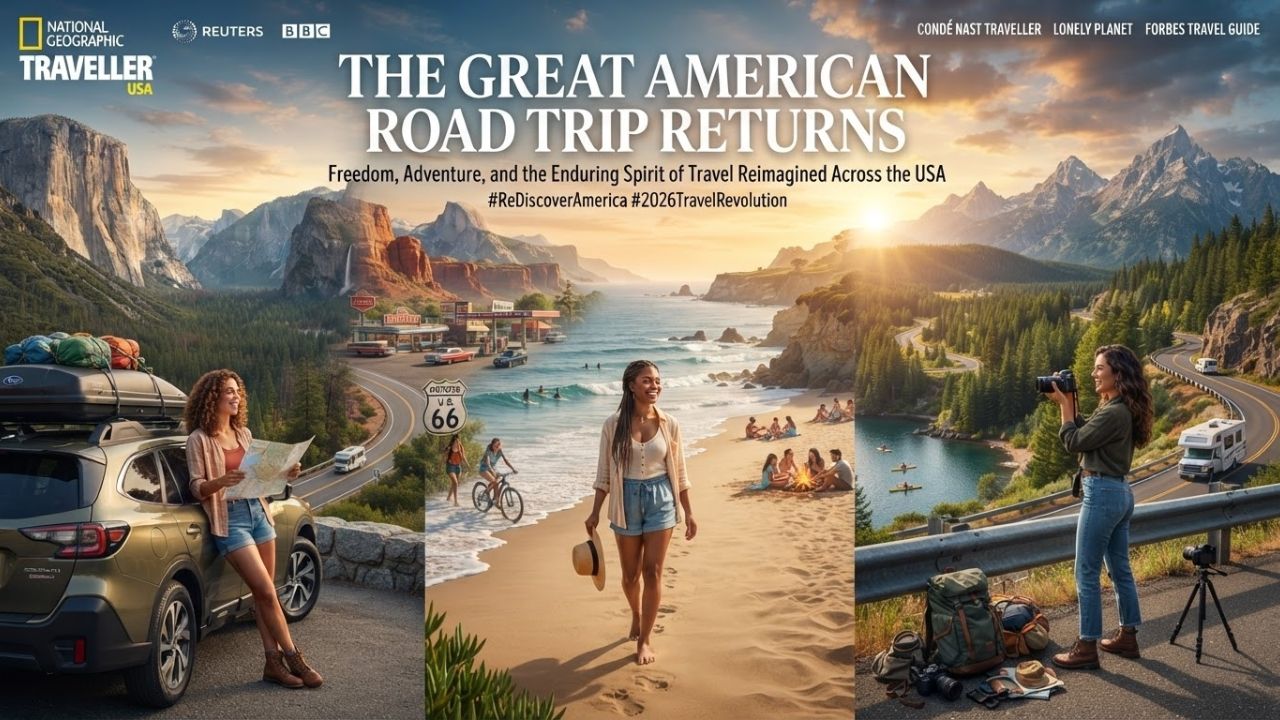
Image generated by AI
Published on July 28, 2026
A massive U.S. domestic travel boom is reshaping vacation patterns as millions of American travelers from states like California and Texas trade international trips for domestic highways, beaches, and nature reserves. Driven by escalating airfares, lengthy visa processing delays, and preparations for the country’s 250th anniversary, this major shift has prompted hospitality brands and park authorities to recommend early bookings. To ensure a seamless trip, travelers are urged to plan routes ahead, utilize digital reservation systems, and secure accommodations well in advance of peak travel weeks.
Quick Summary
- Surging Road Trips: A striking 71% of Americans plan to drive to their next vacation destination rather than fly, highlighting a major pivot toward local road trips.
- Outdoor and Coastal Demand: Searches for stays near U.S. national parks have climbed 35%, while interest in California and Florida beaches is up 50% year-over-year.
- International Decline: Official data reveals a 14.1% year-over-year drop in international arrivals to the U.S. in April 2026, alongside long visa delays stretching past 220 days.
- Economic Realignment: Multigenerational travelers are embracing heritage-focused "inheritourism," channeling tourism spending directly into small-town and rural economies.
As the countdown to America's 250th anniversary celebrations intensifies ahead of July 2026, the domestic tourism landscape is undergoing a structural realignment. According to data monitored by the National Travel and Tourism Office (NTTO), the official tourism statistics body under the U.S. Department of Commerce, inbound international travel has cooled, freeing up capacity for domestic tourism. With guidance from the National Park Service and analysis from Hilton indicating a strong preference for road transport, local travel brands are leaning heavily into national parks and regional getaways to support this historic surge in local demand.
Event Details: The Forces Behind the U.S. Domestic Travel Boom
According to industry survey data cited by IPX1031, a remarkable 89% of Americans are planning out-of-state domestic travel in 2026, while only 37% plan to travel internationally. This vast difference highlights a major shift toward local travel. Analysts trace this trend to several factors: escalating airfares, a lower appetite for long-haul flights, and a growing cultural interest in historic highway routes.
A key contributor to this shift is the upcoming countdown to America’s 250th anniversary celebrations, which will peak in July 2026. This milestone has driven travelers to explore the country's historic routes. For instance, search interest for the legendary Route 66 has surged by 302% as the highway approaches its 100th anniversary, according to Expedia’s 2026 summer travel research.
At the same time, nature and coastal destinations are seeing record interest:
- Beach Tourism: Expedia's Unpack '26 Summer report shows search interest in California and Florida beaches has risen by 50% year-over-year.
- National Parks: Airbnb’s 2026 Travel Trends Report confirms that searches for accommodations near U.S. national parks have risen by 35%, making nature and outdoor experiences the platform's most-booked category.
- Record Visits: The National Park Service (NPS) confirms that its sites welcomed over 323 million recreation visits in 2025, which included more than 13 million overnight stays.
- Individual Milestones: Despite a historic 43-day government shutdown that caused temporary closures, 26 individual parks set annual visitation records in 2025. The Blue Ridge Parkway led with over 16.5 million visitors, followed closely by California's Golden Gate National Recreation Area at approximately 15.7 million.
- Emerging Regions: Hilton's data highlights that states like Montana, North Carolina, Washington, Oklahoma, and Wisconsin are experiencing outsized jumps in search interest, spreading tourism traffic to lesser-known destinations.
Risk and Infrastructure Pressures: Navigating the U.S. Domestic Travel Boom
While the surge in domestic travel offers major economic opportunities, it also introduces several logistical challenges and travel risks that visitors must prepare for:
- Airfare Volatility and Fuel Price Swings: Ongoing price swings make planning airline travel budgets unpredictable. This volatility has led many families to choose road trips where they have more control over expenses.
- Severe International Travel Friction: Travelers looking to go abroad face severe bottlenecks, including visa processing wait times that stretch beyond 220 days in key international markets, along with stricter border controls.
- Strain on Outdoor and Park Accommodations: The 35% jump in searches for stays near national parks has led to a shortage of campsites, glamping sites, and hotel rooms, resulting in high peak pricing.
- Congestion on Historic Highways and Byways: Famous routes like Route 66 and major parks are seeing high traffic volumes, which can lead to delays and crowded visitor facilities.
What Authorities and Industry Stakeholders Are Saying
Government bodies and tourism associations are closely tracking the changing travel patterns. The National Travel and Tourism Office (NTTO), the official tourism statistics body under the U.S. Department of Commerce, confirmed that inbound international arrivals to the United States fell by 14.1% in April 2026 compared to the previous year, followed by an additional 6.5% year-over-year decline in subsequent months.
At the same time, the U.S. Travel Association reports that domestic travel indicators are showing strong growth. Heading into the autumn season, hotel booking paces and other key metrics are running well ahead of the prior year, indicating that the U.S. domestic travel boom remains strong.
In response, major hospitality brands are adjusting their operations. Many hotels and campgrounds are offering earlier breakfasts to accommodate pre-dawn departures and providing flexible check-in times for travelers arriving late by car. Industry experts also highlight the rise of "inheritourism," where multigenerational families focus on heritage-driven trips. This trend is helping distribute travel dollars into rural areas and small towns that do not typically benefit from international tourism.
Practical Traveler Advice: How to Prepare for the Road Ahead
For travelers planning to take part in the U.S. domestic travel boom this season, industry experts recommend several steps to ensure a smooth trip:
- Book Accommodations and Campsites Early: With searches for stays near national parks up 35%, you should book campsites, cabins, and hotels months in advance.
- Consider a Road Trip Over Flying: Driving helps avoid airfare volatility, baggage fees, airport security lines, and flight cancellation risks.
- Explore Lesser-Known Regional Destinations: Avoid the most crowded areas by visiting scenic spots in states like Montana, North Carolina, Washington, Oklahoma, and Wisconsin.
- Research Heritage and Historic Trails: Take advantage of the country's historic routes, such as Route 66, to experience local landmarks and support small-town businesses.
- Coordinate with Hotels on Flexible Policies: Ask your lodging providers about early breakfasts or late check-in options designed for road trip travelers.
- Make the Journey Part of the Vacation: Plan stops at roadside diners, scenic overlooks, and outdoor trails to enjoy the freedom of the open road.
Broader Context: Milestone Celebrations and Changing Vacation Preferences
The shift in vacation habits reflects a deeper realignment of how Americans view travel value. The combination of high international travel costs and bottlenecks abroad has made the domestic road trip a highly rational choice for many families, rather than just a budget alternative.
This trend is further amplified by major milestones, such as America's 250th anniversary celebrations in July 2026 and the upcoming 100th anniversary of Route 66. These historical events have renewed interest in exploring the nation's own heritage. Additionally, the redirection of travel spending from international flights and luxury overseas resorts into campgrounds, national parks, and local dining is providing a significant economic boost to rural and small-town communities across the country.
Looking Ahead: Hospitality Adaptation and Long-Term Trends
Industry experts suggest that this shift in travel behavior may extend well beyond the current summer season. If visa processing backlogs and airfare volatility continue into 2027, what began as a temporary shift could define a new era of American travel centered around highways, national parks, and beaches.
Hospitality brands are already preparing for this future by expanding nature-adjacent lodgings, glamping facilities, and boutique hotels near outdoor landmarks. As these services grow, the domestic market is expected to remain highly competitive, offering travelers more options for exploring local destinations.
In summary, the ongoing U.S. domestic travel boom highlights a significant change in how families spend their vacation time. By choosing road trips, beaches, and national parks over overseas holidays, travelers are finding new value closer to home. With proper planning, early bookings, and a focus on road safety, travelers can look forward to a rewarding and memorable journey across America's scenic highways.
FAQ: The U.S. Domestic Travel Boom and Summer Road Trips
What is driving the U.S. domestic travel boom in 2026?
The surge is driven by rising airfares, lengthy visa delays for overseas destinations (often exceeding 220 days), and excitement surrounding the country's upcoming 250th anniversary celebrations.
How is America's 250th anniversary affecting summer travel?
The upcoming celebrations, peaking in July 2026, are drawing millions of families to domestic historic highways, small towns, and iconic landmarks like Route 66.
Why are searches for U.S. national parks and beaches rising?
Travelers are choosing budget-friendly, screen-free vacations. Searches for stays near national parks are up 35%, and interest in California and Florida beaches has grown by 50% year-over-year.
How has international travel to the United States changed?
Inbound international arrivals fell by 14.1% in April 2026, with an additional 6.5% year-over-year decline afterward. This drop has freed up capacity for domestic travelers.
What is the "inheritourism" trend?
"Inheritourism" refers to multigenerational families choosing heritage-focused road trips to visit ancestral towns and historic trails, boosting tourism revenue in small-town economies.
Related Travel Guides
- America’s 250th Anniversary Travel Chaos: 160 Million Heat Warnings and Northeast Disruptions
- Coolcation: The Cool Summer Travel Trend of 2026
- The 10 Best U.S. National Park Road Trips, According To Reddit
Disclaimer
This article is for informational and educational purposes only. It does not constitute legal, financial, or professional advice. While we strive to provide accurate and up-to-date information, travel policies, regulations, and conditions change rapidly. Always verify information with official sources before making travel decisions. Nomad Lawyer makes no representations about the accuracy, reliability, completeness, or suitability of the information provided. Readers should consult qualified professionals for advice specific to their circumstances. The views expressed in this article are those of the author and do not necessarily reflect the views of Nomad Lawyer.
Kunal K Choudhary
Co-Founder & Contributor
A passionate traveller and tech enthusiast. Kunal contributes to the vision and growth of Nomad Lawyer, bringing fresh perspectives and driving the community forward.
Learn more about our team →