
United States Families and Road Trippers Pivot: How to Manage Budget Summer Travel in the United States Amid Soaring Gas Prices and Rental Costs: New Travel Alert
Budget summer travel in the United States is adapting to rising fuel and lodging costs, with families and road trippers rerouting national park trips.

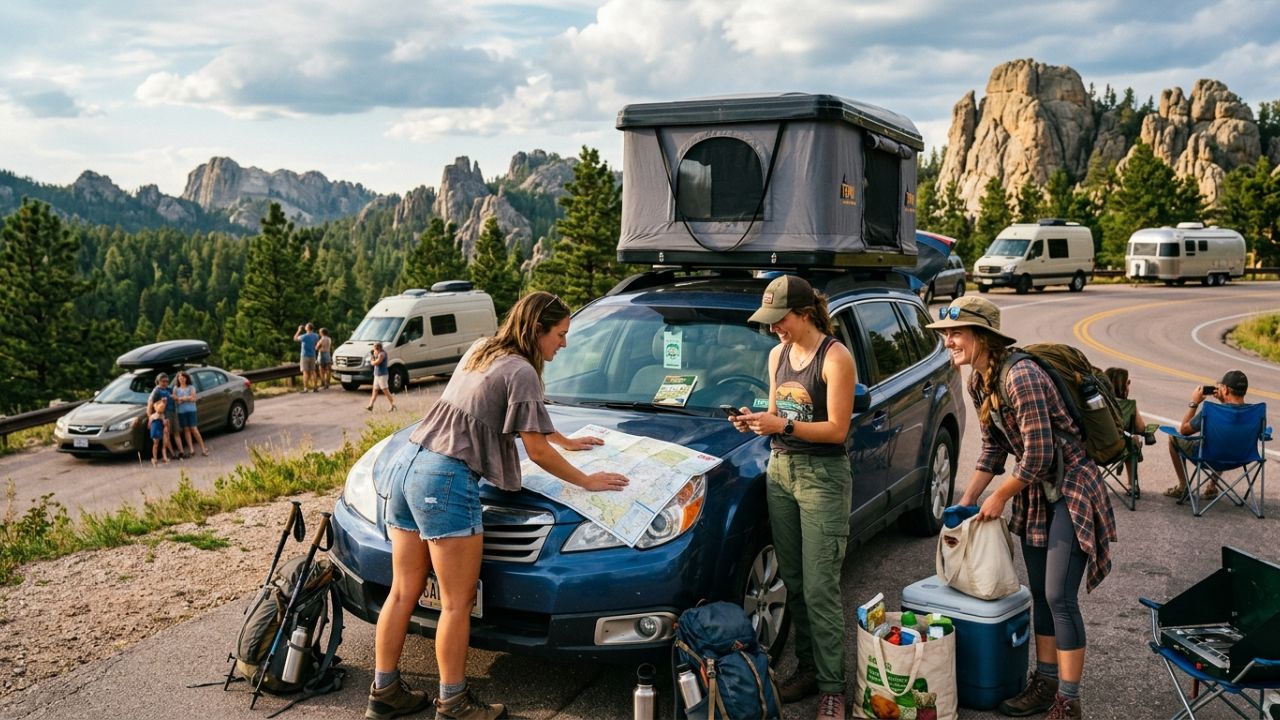
Image generated by AI
Published on June 18, 2026
A noticeable shift is occurring as budget summer travel in the United States transforms into a highly strategic and cost-conscious effort for families, retirees, and road trippers on June 18, 2026. Rising fuel prices and rental car rates are forcing travelers to shorten driving distances, pack groceries, and adjust itineraries in real time. To maintain vacation plans, domestic travelers are adopting flexible scheduling, routing closer to home, and swapping expensive flights for fuel-efficient road trips.
Quick Summary
- Strategic Shift in Travel: Rising costs (fuel, lodging, flights) are converting summer vacations in the United States into structured, cost-conscious operations.
- Rerouting National Parks: Travel groups are scaling back multi-state itineraries, swapping destinations (like removing Zion and Bryce Canyon), and sharing camper trailers.
- Cost-Saving Behaviors: Families are opting to drive over flying, packing groceries, cooking at accommodations, and utilizing free transit services.
- Fluctuating Market Pressures: While early bookers secured lower rates on international segments (such as routes to China), domestic rental car expenses are stalling extra West Coast trips.
The current economic landscape is redefining domestic vacation habits across the country. Rising gas prices in the United States are prompting families to rethink how they manage summer journeys without exceeding their savings. For road trippers and holidaymakers, this alert outlines the practical adjustments and spending trends currently reshaping the summer travel sector.
Event and Incident Details: Travelers Adapt Itineraries to Rising Costs
Across the country, budget travelers are adjusting their itineraries to mitigate soaring travel expenses. A key example involves a group of seven women from Delaware, who met through a local softball league and planned a road trip through several national parks. Due to global oil supply pressures driving up fuel costs, the group modified their route by choosing three camper trailers to share expenses and removing Utah destinations, including Zion National Park and Bryce Canyon National Park, entirely. One member eventually sat out the trip due to cost constraints, while the remaining members focused on a scaled-down route visiting Mount Rushmore, Custer State Park, and the Badlands.
Similar adjustments are occurring in other regions. A mother from east Tennessee traveling to Orlando with her teenage son decided to drive her personal vehicle instead of flying or renting a car. She packed groceries and cooked meals at her lodging, utilized free shuttle options, and skipped extra paid activities to remain within budget.
In another instance, a family from Washington, D.C. avoided peak flight cost hikes to China by locking in their flight tickets early. However, due to high rental car costs on the West Coast, they placed their secondary trip to Las Vegas and San Francisco on hold while comparing rates on membership-based travel booking platforms.
| Traveler Group | Original Itinerary / Plan | Modified Itinerary / Plan | Cost-Cutting Actions Implemented |
|---|---|---|---|
| Delaware Softball League Group (7 Women) | Multi-state national park loop including Bryce Canyon and Zion (Utah) | Scaled-down route focusing on Mount Rushmore, Custer State Park, and Badlands | Switched to 3 camper trailers, bypassed Utah, rerouted to avoid high-fuel zones, 1 member opted out |
| East Tennessee Mother & Teenager | Orlando vacation via flight or rental car | Driven personal vehicle instead of flying or renting | Packed groceries, cooked at lodging, used free transit, skipped paid activities |
| Washington D.C. Family | International trip to China (pre-booked) & West Coast US trip | China trip completed; West Coast (Las Vegas & San Francisco) placed on hold | Booked China flights early, used membership portals, re-evaluated West Coast due to high rental car costs |
Risk and Impact: How Cost Pressures Shape the Budget Summer Travel in the United States
The high costs of domestic vacation elements present multiple scheduling and budget risks for travelers trying to maintain budget summer travel in the United States. Elevated expenses force passengers to reorganize schedules and drop vacation segments. Travelers navigating these shifts face several challenges:
- Itinerary Insecurity: Surging gas prices and flight costs make it difficult to maintain initial travel plans, forcing route cuts.
- Rental Car Spikes: High rental fees in popular tourist destinations limit local mobility and force travelers to reconsider extra segments.
- Activity Reductions: Budget pressures limit spending on paid tours and attractions, forcing a focus on free alternatives.
- Group Reductions: Elevated expenses can force individual members of a travel group to opt out of the journey entirely.
These constraints require travelers to dedicate more time to cost calculations and route planning before departure.
What Authorities and Travel Experts Are Saying
Aviation and hospitality analysts report that overall travel demand has not decreased; instead, passenger habits have evolved. Travelers continue to prioritize holiday experiences but choose to trim spending in secondary areas to safeguard their primary vacations.
Travel specialists note that travelers are choosing road trips over flights and selecting regional destinations closer to home. Simplifying accommodations and sharing camper spaces have become common strategies to distribute costs.
To manage expenses on the road, travel groups are advised to remain highly flexible. Using booking sites to compare flight rates and lodging costs can help identify small price differences.
Practical Traveler Advice: How to Manage Summer Budgets on the Road
Managing vacation budgets during price increases requires a structured approach. Follow these tips to plan your next journey:
- Implement Fuel Efficiency Travel Planning: Plan your routes in advance, group destinations in the same region, and avoid long detours.
- Utilize Booking Comparison Portals: Compare flight and lodging rates on membership-based platforms and travel booking sites.
- Opt for Self-Catering: Pack groceries and cook meals at your accommodation to save on dining costs.
- Leverage Shared Transit and Camper Options: Share vehicles or camper trailers with friends to split fuel and site fees.
- Prioritize Free Attractions: Plan your itinerary around national parks, public beaches, and free local activities rather than paid tours.
Broader Context: Changing Domestic Travel Trends Reflect Cost Pressures
The adjustments made by travelers indicate a significant shift in domestic travel trends. Travelers are staying within the country rather than flying abroad, shortening driving distances, and redirecting budgets toward smaller, more frequent trips.
National park road trips remain highly popular, but itineraries have become shorter and more regional. Instead of planning multi-state loops, road trippers are selecting parks closer to their homes and planning routes around fuel availability and pricing.
This trend is expected to continue as travelers balance their desire for outdoor recreation with the reality of gas prices in the United States.
What to Expect Next / Looking Ahead
Vacation patterns will continue to adjust toward regional and compact formats as travel costs remain high. The use of digital tools and comparison platforms will increase as travelers seek to track real-time fuel and booking changes.
As operational costs stabilize, airlines and rental car agencies may introduce targeted promotions to attract budget-conscious travelers.
Conclusion Paragraph
The adjustments observed in summer travel plans demonstrate the adaptability of domestic travelers. By staying proactive, implementing cost-saving measures, and maintaining flexible plans, holidaymakers can successfully manage their vacations. Proactive coordination and careful planning will remain essential to preserving travel experiences without exceeding financial limits.
Related Travel Guides
- Global Airlines Upgrade Passenger Experience: How to Avail Hands-Free Premium Flying Experience as Carriers Replace Airport Check-In Counters with Off-Site Baggage Services: New Travel Alert
- United States Grinds to a Halt: Widespread US Air Travel Disruptions Erupt as SkyWest, Republic, and Envoy Air Ground 338 Flights and Log 4,106 Delays: New Travel Alert
- United States Travelers Warned of Boston Logan International Airport Travel Disruptions as Delta, Southwest, and American Airlines Cancel Flights: New Travel Alert
FAQ
Is budget summer travel in the United States still popular?
Yes, travel demand remains high, but travelers are adapting by choosing shorter routes, driving instead of flying, and cutting secondary expenses.
How are road trippers adapting to rising gas prices in the United States?
Road trippers are scaling back long loops, choosing regional destinations, sharing camper trailers to split costs, and designing routes that avoid high-fuel-cost zones.
What are the main changes in domestic travel trends this summer?
Travelers are opting for domestic trips over international travel, shortening driving distances, and prioritizing smaller, more frequent trips rather than long, expensive vacations.
How can families reduce costs during road trips?
Families can save by driving their own vehicles, packing groceries to cook at their accommodation, choosing free local attractions, and using free transit options instead of paid tours.
Disclaimer
This article is for informational and educational purposes only. It does not constitute legal, financial, or professional advice. While we strive to provide accurate and up-to-date information, travel policies, regulations, and conditions change rapidly. Always verify information with official sources before making travel decisions. Nomad Lawyer makes no representations about the accuracy, reliability, completeness, or suitability of the information provided. Readers should consult qualified professionals for advice specific to their circumstances. The views expressed in this article are those of the author and do not necessarily reflect the views of Nomad Lawyer.
Raushan Kumar
Founder & Lead Developer
Full-stack developer with 11+ years of experience and a passionate traveller. Raushan built Nomad Lawyer from the ground up with a vision to create the best travel and law experience on the web.
Learn more about our team →