
Uruguay Launches National Smart Destination Model to Revolutionize Tourism Through Data and Innovation
Uruguay introduces a National Model of Smart Tourist Destinations across nine regions to enhance visitor experiences via data, sustainability, and innovation.
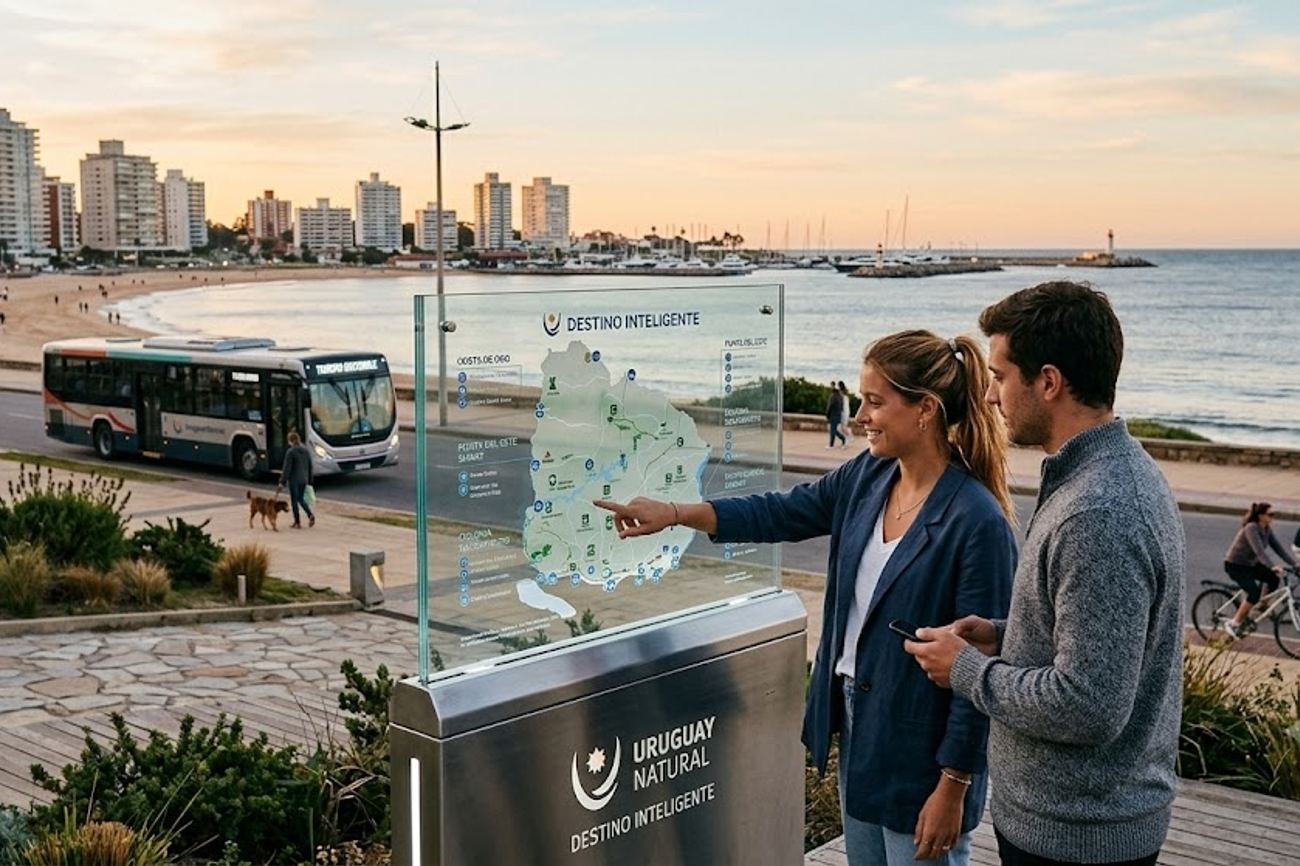
Image generated by AI
[Montevideo, September 7, 2026] — Uruguay has officially unveiled a comprehensive National Model of Smart Tourist Destinations, a strategic framework designed to pivot the country's tourism sector from intuitive management to an evidence-based, technological approach. This initiative aims to overhaul how destinations are planned and managed by leveraging real-time data, sustainable practices, and digital innovation to improve the overall traveler experience while supporting local economies.
The shift represents a fundamental change in the Uruguayan tourism philosophy. Rather than relying on traditional perceptions or historical assumptions, the government is implementing a system where decision-making is anchored in reliable metrics. This allows local authorities to pinpoint specific operational weaknesses, identify untapped potential, and deploy targeted interventions to enhance the quality of stay for international and domestic visitors.
Transitioning to Data-Driven Tourism Management in Uruguay
The implementation of the National Model of Smart Tourist Destinations marks the beginning of a new era for Uruguayan travel. This framework is not merely about digitalization but serves as a national strategy to integrate accessibility, innovation, and environmental stewardship into the core of destination management. By providing local authorities with sophisticated tools to evaluate performance, the model enables a granular understanding of visitor behavior and emerging market trends.
Industry reports indicate that this movement aligns with a global shift where "smartness" is no longer defined by the presence of free Wi-Fi or mobile apps. Instead, a smart destination is measured by its capacity to manage natural and urban resources efficiently, minimize the friction of travel, and ensure that tourism growth does not degrade the quality of life for permanent residents.
To achieve this, the strategy emphasizes a multidisciplinary cooperation network. The model bridges the gap between government bodies, private sector operators, academic institutions, and the residents themselves. This interconnected ecosystem ensures that the tourism product evolves in tandem with the changing expectations of the modern traveler, who increasingly seeks personalized and seamless experiences.
Five Strategic Pillars Driving Uruguayan Tourism Transformation
The National Model of Smart Tourist Destinations is built upon five foundational pillars. These pillars serve as the roadmap for every municipality participating in the program, ensuring a standardized yet flexible approach to growth.
Governance The first pillar focuses on the restructuring of leadership and cooperation. By fostering stronger ties between public officials, business owners, and community stakeholders, Uruguay aims to create a coordinated management style. This ensures that tourism policies are not created in a vacuum but reflect the actual needs of the people living in and visiting these areas.
Innovation The second pillar mandates a culture of experimentation. Destinations are encouraged to move beyond traditional service models and explore new management methods. This adaptability is viewed as a primary competitive advantage, allowing regions to pivot quickly when market conditions shift or new traveler demographics emerge.
Technology While often the most visible aspect, the third pillar treats technology as a means to an end rather than the goal itself. The focus is on advanced data collection and digital operational efficiency. The model moves past basic QR codes and websites, utilizing technology to feed the data engines that inform high-level management decisions.
Sustainability The fourth pillar addresses the critical need for ecological balance. As global tourism faces scrutiny over its carbon footprint and impact on biodiversity, Uruguay is prioritizing responsible resource management. The goal is to ensure that tourism growth remains sustainable over the long term without compromising the environmental integrity of the regions.
Accessibility The final pillar focuses on inclusivity. The strategy emphasizes the removal of barriers to travel, ensuring that destinations are navigable and enjoyable for all visitors, regardless of physical or cognitive limitations. This inclusive planning is expected to open the market to a broader range of global travelers.
Initial Implementation Across Nine Selected Destinations
The first phase of the rollout focuses on nine specific regions that have been selected to pilot the smart tourism framework. These locations represent a diverse cross-section of Uruguay's geography and tourism appeal:
- Artigas
- Ciudad de la Costa
- Durazno
- Flores
- Fray Bentos
- Maldonado
- Paysandú
- Piriápolis
- Villa Soriano
The selection process was facilitated through a call for participation supported by the Ibero-American Network of Smart Tourist Destinations (RIDTI), with additional assistance from Fonplata. By selecting a mix of high-traffic hubs and emerging rural sites, Uruguay can test the model's efficacy across various landscapes and visitor profiles.
For established hubs like Maldonado or Piriápolis, the model will likely focus on managing over-tourism and optimizing visitor flow. For emerging sites like Artigas or Flores, the tools will be used to identify service gaps and build a foundational infrastructure that attracts new markets. This balanced approach prevents the concentration of tourism in a few "hotspots" and distributes economic benefits more equitably across the country.
Montevideo’s Role as the Blueprint for National Expansion
The national strategy does not start from zero; it is heavily informed by the success of the capital city. Montevideo has already integrated the Smart Tourist Destination methodology, utilizing the international standards developed by Segittur.
The capital's experience in applying these principles provided the necessary proof-of-concept for the national government. By analyzing Montevideo's progress in structured destination management, officials have been able to refine the tools and processes before deploying them to the other nine regions. This phased expansion ensures that the national rollout is based on proven results rather than theoretical models.
Why This Matters: The Impact on the Modern Traveler
For the traveler, the transition to a "Smart Destination" model means a significant reduction in the "friction" of travel. When a city uses data to manage its tourism, the result is typically shorter queues, better-distributed crowds, and more accurate information regarding local attractions.
From a logistical standpoint, the emphasis on accessibility and sustainability means that travelers with mobility issues will find Uruguay more welcoming, and eco-conscious tourists can be confident that their visit is contributing to a managed, sustainable ecosystem. Furthermore, the integration of technology into governance often leads to more personalized digital services, allowing visitors to curate their experiences based on real-time availability and local insights rather than static brochures.
Ultimately, this move positions Uruguay as a forward-thinking competitor in the South American market. By prioritizing the "intelligence" of its destinations, the country is not just seeking more tourists, but the right kind of tourism—growth that is sustainable, inclusive, and economically beneficial for the local population.
Related Travel Guides
Disclaimer
This article is for informational and educational purposes only. It does not constitute legal, financial, or professional advice. While we strive to provide accurate and up-to-date information, travel policies, regulations, and conditions change rapidly. Always verify information with official sources before making travel decisions. Nomad Lawyer makes no representations about the accuracy, reliability, completeness, or suitability of the information provided. Readers should consult qualified professionals for advice specific to their circumstances. The views expressed in this article are those of the author and do not necessarily reflect the views of Nomad Lawyer.