
UK Pioneers Global Tourism Shift via Smart Infrastructure and AI Integration
The United Kingdom is redefining global travel through AI, biometric airport systems, and IoT sensors to eliminate overcrowding and enhance visitor mobility.

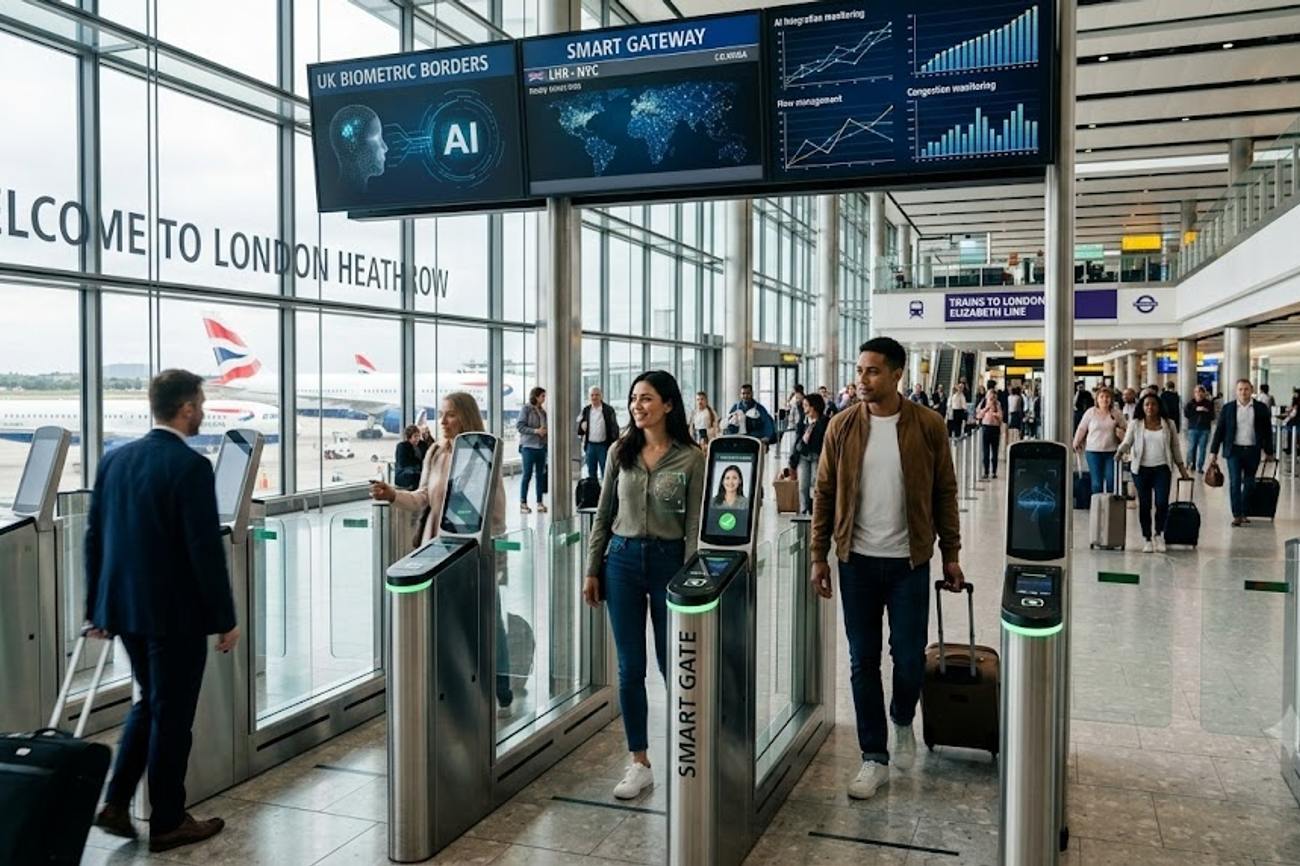
Image generated by AI
[LONDON, September 4, 2026] — The United Kingdom is currently positioning itself at the vanguard of a worldwide tourism revolution, utilizing a sophisticated blend of digital infrastructure and artificial intelligence to drive a surge in international arrivals. By integrating predictive analytics and smart city connectivity, the UK is fundamentally altering how travelers interact with destinations, moving away from traditional sightseeing toward a high-tech, frictionless experience. Industry observers report that these advancements are not merely incremental improvements but represent a total reimagining of the holiday ecosystem, prompting a wave of global travelers to book flights specifically to experience these technological milestones.
Global tourism is currently experiencing a systemic shift as sovereign nations transition toward real-time data analysis and automated systems. This movement aims to attract higher-spending demographics, optimize operational efficiency, and manage the environmental and social impact of mass tourism through sustainable, tech-driven frameworks.
AI and Predictive Analytics Drive Visitor Acquisition
The application of machine learning and cloud-based digital architecture has fundamentally changed the way national tourism boards market their regions. Rather than relying on static promotional campaigns, governments are now employing sophisticated algorithms to analyze millions of search queries and social media interactions in real time. This allows for the anticipation of consumer preference shifts before a traveler even initiates a booking.
By processing vast amounts of behavioral data, these digital ecosystems enable the dynamic adjustment of marketing spend, ensuring that promotional efforts are targeted toward high-yield international markets. The integration of conversational AI and multilingual chatbots into official portals has further streamlined the process, providing instant, personalized itineraries that increase conversion rates from casual browsers to confirmed visitors.
For the modern traveler, this means the "inspiration phase" of planning is now highly curated. The removal of administrative bottlenecks through these robust technological frameworks ensures that the transition from digital discovery to physical arrival is seamless, fostering higher levels of brand loyalty toward the destination.
Biometric Systems Accelerate Transit and Urban Mobility
The physical experience of entering the UK is being redefined by the deployment of smart infrastructure at international gateways. Biometric clearance gates, powered by facial recognition technology, are now allowing passengers to bypass traditional immigration queues. This creates a nearly instantaneous transition from the aircraft tarmac to urban centers, reducing the stress typically associated with border crossings.
Once inside the city, the experience is further enhanced by Internet of Things (IoT) sensors embedded within municipal transport networks. These sensors monitor public transit usage in real time, allowing authorities to adjust train and bus frequencies dynamically based on actual passenger loads.
These intelligent grids sync directly with mobile applications, providing tourists with optimized routing suggestions to navigate complex city layouts. By unifying ticketing, real-time updates, and navigation into a single digital interface, the UK is eliminating the logistical friction that often discourages tourists from exploring areas beyond the primary city center landmarks.
Big Data and IoT Combat Destination Overcrowding
To protect historical sites and improve the quality of the visitor experience, the UK is leveraging centralized big data platforms to manage foot traffic. By aggregating data from hotel reservations, mobile network pings, and physical sensors, municipal managers can identify congestion hotspots in real time.
When visitor density in a specific heritage district reaches a critical sustainability threshold, the system triggers geo-located push notifications to smartphones in the area. These alerts suggest alternative cultural attractions or lesser-known museums, effectively redistributing the crowd to underutilized sites.
This data-driven stewardship allows for several key operational advantages:
- Preservation: Fragile architectural landmarks are protected from the physical degradation caused by overcrowding.
- Economic Distribution: Revenue is spread more evenly across regional heritage sites rather than being concentrated in a few "trophy" locations.
- Dynamic Pricing: Hospitality businesses can use this data to offer off-peak incentives, smoothing out daily visitation spikes without needing to implement restrictive quotas.
Robotics and Immersive Tech Solve Labor and Heritage Gaps
The hospitality and cultural sectors are currently facing a dual crisis: chronic labor shortages and the challenge of preserving aging heritage sites. The UK is addressing these issues through the integration of service robotics and extended reality (XR).
Automated service robots are being deployed in hotels and transport hubs to manage routine tasks such as check-in procedures and luggage handling. This allows human staff to focus on high-value guest interactions while ensuring that operational efficiency remains high despite staffing gaps.
Simultaneously, immersive technologies are being used to bring history to life without risking the physical integrity of the artifacts. Through augmented and virtual reality, visitors can experience historical events or view reconstructed ruins in their original glory, providing an educational depth that traditional placards cannot offer.
Why This Matters: The Impact on the Global Traveler
From a logistical standpoint, the UK's transition to a "Smart Tourism" model shifts the burden of navigation and planning from the traveler to the infrastructure. For the average tourist, this means the elimination of the "traveler's anxiety" associated with unfamiliar transit systems and long border queues.
More importantly, the use of IoT to prevent overcrowding changes the nature of sightseeing. Instead of fighting crowds at a single landmark, travelers are guided toward a more diverse and authentic experience of the country. This creates a more sustainable form of tourism that benefits both the local resident—who suffers less from "overtourism"—and the visitor, who enjoys a more tranquil exploration.
From a legal and regulatory perspective, the reliance on biometrics and big data introduces a new era of digital identity management in travel. The success of these systems depends entirely on the balance between efficiency and data privacy, setting a precedent for how other nations will handle international visitor data in the coming decade.
Related Travel Guides
Disclaimer
This article is for informational and educational purposes only. It does not constitute legal, financial, or professional advice. While we strive to provide accurate and up-to-date information, travel policies, regulations, and conditions change rapidly. Always verify information with official sources before making travel decisions. Nomad Lawyer makes no representations about the accuracy, reliability, completeness, or suitability of the information provided. Readers should consult qualified professionals for advice specific to their circumstances. The views expressed in this article are those of the author and do not necessarily reflect the views of Nomad Lawyer.
Naina Thakur
Contributor & Travel Specialist
Travel enthusiast and legal writer covering visa regulations, responsible tourism, and cultural journeys across global destinations.
Learn more about our team →