
United States Rallies Alongside UK, India and More Driving Independent Travel Growth as Tourism Adapts to Solo Travellers
Independent travel surges worldwide as 84% of Indian travelers and 29.6% of US adults plan solo journeys, prompting hotels and destinations to adapt.

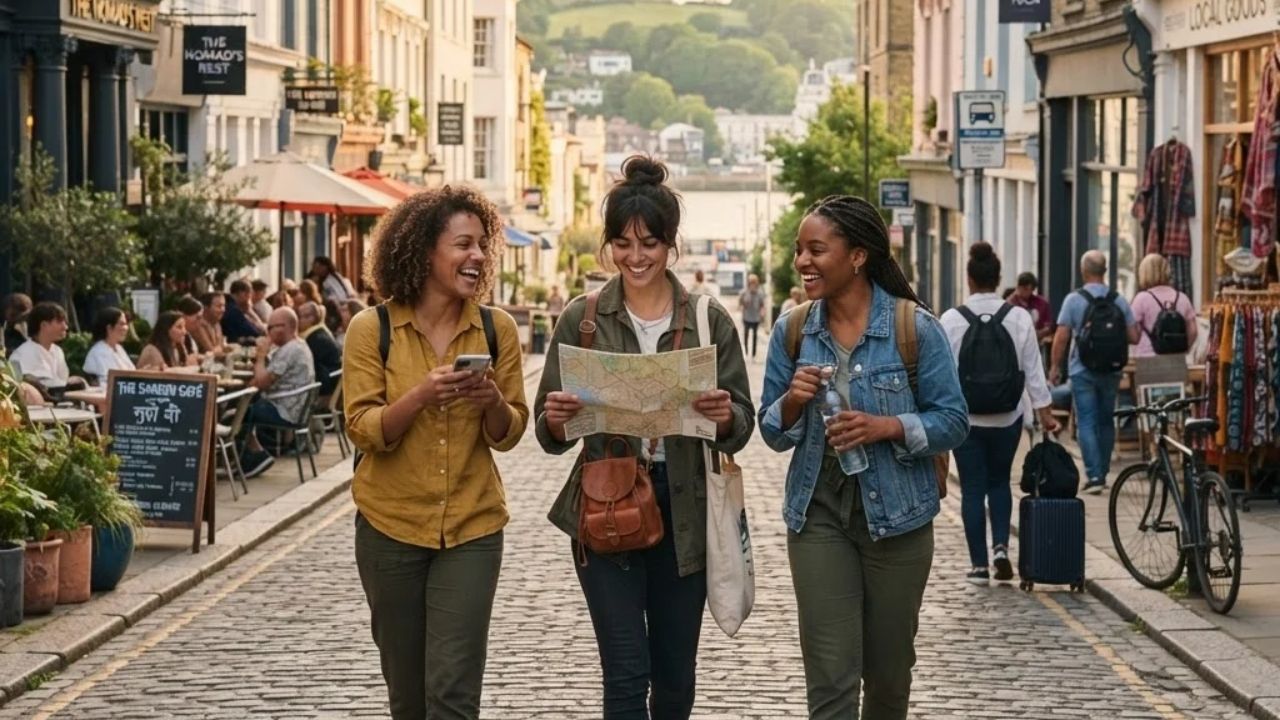
Image generated by AI
While legacy tour operators spent decades crafting rigid holiday packages tailored exclusively for couples and families, global travel research reveals a seismic cultural shift: an astonishing 84% of Indian travelers and 29.6% of American adults are actively planning independent solo journeys. Far from remaining an eccentric niche or a backpacking rite of passage, independent travel has transformed into one of the most powerful economic engines reshaping international tourism. From the rugged coastal routes of Australia to the historic alleys of Portugal, hoteliers, airlines, and regional tourism boards are abandoning outdated single supplements to court a confident, self-directed explorer who prioritizes personal autonomy, cultural immersion, and flexible living.
The Solo Travel Surge: How Independent Voyagers Are Reshaping Global Tourism
The worldwide rise of independent exploration is fueled by a convergence of structural changes: the normalization of remote work, the proliferation of artificial intelligence itinerary planners, flexible career paths, and an intensifying focus on personal wellness. Because national statistical agencies monitor total outbound traveler volumes rather than party sizes, comprehensive insights emerge through verified industry studies and destination research, revealing that the United States, India, Germany, the United Kingdom, and Australia represent the primary drivers of this movement.
The market breakdown demonstrates remarkable momentum across distinct regions:
- The United States: Approximately 29.6% of American adults report concrete intentions to travel solo. Backed by a vast domestic highway network, extensive national parks, and a deep-seated tradition of the great American road trip, US travelers are blending remote work with wellness retreats, mountain hiking, and regional city breaks.
- India: Emerging as an extraordinary powerhouse, industry surveys indicate that around 84% of Indian travelers are planning solo journeys. Driven by a young demographic, rising disposable incomes, and mobile booking ecosystems, Indian solo explorers are venturing well beyond group tours to discover Southeast Asia, Europe, and off-grid Himalayan retreats.
- The United Kingdom: Roughly one in three British travelers has taken or actively considered an independent holiday. Strong international flight connectivity, English-language travel infrastructure, and an appetite for solo-friendly boutique cruises and walking holidays make Britain a mature cornerstone of the sector.
- Germany: With significant purchasing power, generous holiday allowances, and an innate outdoor culture, German independent travelers prioritize nature hiking, spa wellness, and long-haul cultural journeys across Asia and the Americas.
- Southeast Asian Gen Z Markets: Regional travel surveys reveal explosive solo travel interest among younger generations, led by Indonesia at around 39%, Malaysia at around 30%, and Thailand at around 28%, propelled by affordable regional air carriers and digital connectivity.
In response, the hospitality sector is overhauling its service architecture. Traditional hotels that penalized solo travelers with double-occupancy surcharges are introducing compact single suites, flexible per-person dining packages, and communal lounges that encourage spontaneous conversation without sacrificing private retreat.
What Makes Independent Travel Unique
Traveling alone transforms a journey from a shared compromise into a profound encounter with place. Without the conversational buffer of companions, solo voyagers engage directly with surrounding environments, stepping into neighborhood bakeries, neighborhood public houses, and regional rail carriages as receptive observers rather than insulated spectators.
This shift in mindset explains why destinations combining impeccable safety, intuitive public transit, and vibrant street life are seeing record solo arrivals. In Japan, solo travel has been elevated to an art form through solo-dining ramen booths, tranquil temple gardens, and automated transit systems that allow introverted travelers to navigate cities without friction. In Portugal, walkable historic quarters, welcoming seaside hostels, and an egalitarian cafe culture invite solo visitors to sit for hours over espresso and warm pastries.
Similarly, Tourism Australia has capitalized on independent wanderers through expansive coastal road routes, well-maintained national park campgrounds, and wildlife sanctuaries where solo travelers find both deep solitude and communal camaraderie around evening campfires. In New Zealand and across Scandinavia, high social trust and English accessibility give first-time solo explorers immense psychological confidence to venture off marked tourist circuits.
Visitor Insider Tips
Mastering solo travel requires understanding local customs, optimizing daily schedules, and utilizing modern digital tools to maximize freedom while ensuring personal safety.
- Dining Solo Without Awkwardness: In Western Europe and North America, bypass empty dining room tables by requesting a seat directly at the bar counter or chef’s tasting rail. Counter seating provides an intimate view of the kitchen, easy conversation with bartenders, and prompt service. In Japan, seek out tachigui (standing noodle bars) or countertop izakayas. In Southeast Asia, head straight to night market stalls with communal wooden benches where sitting beside locals is natural etiquette.
- Neighborhood Selection Over Hotel Stars: Prioritize base neighborhoods that are pedestrian-friendly, well-lit, and serviced by frequent public transit. Stay in creative, residential quarters like Shimokitazawa in Tokyo, Baixa in Lisbon, Fitzroy in Melbourne, or Bandra in Mumbai, where neighborhood cafes, artisan bookshops, and evening bakeries create a welcoming community atmosphere right outside your doorstep.
- Digital Connectivity and Transit Hacks: Purchase an international eSIM before departure to ensure uninterrupted navigation, mobile translation, and app-based ride hailing upon landing. Download offline municipal transit maps (such as Citymapper or Google Maps) and carry an external power bank. In Britain, purchase regional railcards to save one-third on rail fares; in Japan, keep a digital transit card loaded on your smartphone for cashless convenience on subways and regional buses.
- Timing Your Days for Peace and Sociability: Wake early to explore iconic historical sites, botanical gardens, and cathedral precincts between 7:00 AM and 9:30 AM before tour buses arrive. Use midday hours to visit quiet museums or relax in shaded park courtyards. Schedule social activities—such as walking architecture tours, neighborhood cooking classes, or small-group surf lessons—during late afternoons when meeting fellow travelers feels effortless.
- Personal Safety Etiquette: Always share your live itinerary and accommodation addresses with a trusted contact back home. Carry physical copies of your passport and emergency insurance contacts in a separate bag. When arriving in a new city at night, take authorized airport taxis or verified ride-share services directly to your lodging rather than navigating unfamiliar suburban rail stations in the dark.
Cultural and Environmental Context
The rise of solo travel offers profound benefits for environmental sustainability and heritage preservation. Unlike mass bus tours that deposit fifty passengers at a single landmark before rushing to a corporate gift shop, independent travelers disperse organically across communities. They rent bicycles, patronize neighborhood greengrocers, ride municipal trains, and frequent family-owned trattorias, ensuring their travel spending circulates directly through local hands.
In addition, solo travelers help smooth the boom-and-bust cycle of seasonal tourism. Because they are not bound by school holiday schedules, independent voyagers travel extensively during shoulder seasons—such as October in the Mediterranean or May in the Pacific Northwest—providing stable, year-round employment for hotel workers, guides, and independent restaurateurs.
This decentralized travel model also fosters deeper intercultural empathy. When individuals travel alone, they must rely on local guidance, prompting humble, respectful interactions across linguistic barriers. By seeking out craft cooperatives, agro-tourism farms, and municipal conservation areas, solo adventurers transform tourism from an extractive spectacle into a reciprocal dialogue that honors the living heritage of host destinations.
FAQ: Independent and Solo Travel 2026
Why is solo travel growing so rapidly worldwide? Flexible remote work, digital navigation apps, transparent online pricing, and an evolving desire for personal wellbeing and autonomy have turned solo journeys into a mainstream global lifestyle.
Which countries are safest and easiest for first-time solo travelers? Japan, Portugal, Australia, New Zealand, and Scandinavian nations rank among the most welcoming destinations due to low crime rates, intuitive public transport, and supportive tourism infrastructure.
How can solo travelers avoid paying single supplement fees? Seek boutique hotels offering dedicated single rooms, choose modern hostels with private pods, book small-group adventure tours that pair roommates, or patronize operators that have eliminated single surcharges.
What types of travel experiences are most popular among solo travelers? Wellness retreats, alpine hiking, self-drive road trips, culinary food tours, and cultural learning journeys top the preferences of independent travelers seeking personal renewal.
True exploration begins the moment we leave familiar company behind, discovering that the world is far more welcoming than our fears ever imagined.
Related Travel Guides
Disclaimer
This article is for informational and educational purposes only. It does not constitute legal, financial, or professional advice. While we strive to provide accurate and up-to-date information, travel policies, regulations, and conditions change rapidly. Always verify information with official sources before making travel decisions. Nomad Lawyer makes no representations about the accuracy, reliability, completeness, or suitability of the information provided. Readers should consult qualified professionals for advice specific to their circumstances. The views expressed in this article are those of the author and do not necessarily reflect the views of Nomad Lawyer.
Preeti Gunjan
Contributor & Community Manager
A passionate traveller and community builder. Preeti helps grow the Nomad Lawyer community, fostering engagement and bringing the reader experience to life.
Learn more about our team →