
United States Boosts Solo Travel Appeal With Scenic Escapes, Cultural Cities And Coastal Adventures
United States Boosts Solo Travel Appeal With Scenic Escapes, Cultural Cities And Coastal Adventures

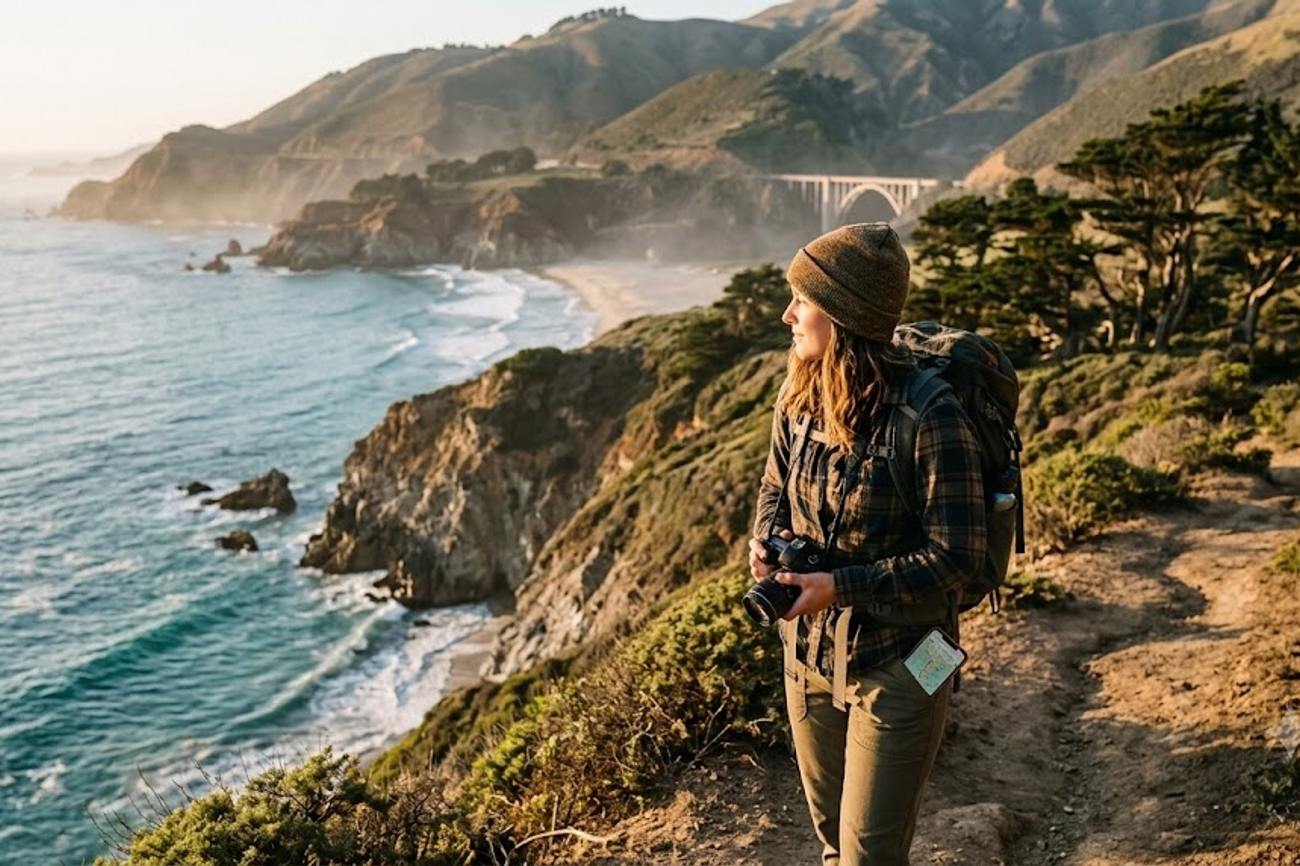
Image generated by AI
The global solo travel market has seen a steady climb, with women now representing a dominant share of the independent traveler demographic, a shift mirrored in the U.S. where the demand for "wellness-centric" and "experience-driven" solo itineraries has outpaced traditional group tourism growth by nearly 15% in recent years. This movement is no longer about a lack of companions, but a deliberate choice for autonomy, reflecting a broader macroeconomic shift toward the "experience economy" where personal development is the primary commodity.
The Solo Female Market in Numbers — US Regional Diversification
The current shift in US domestic travel reveals a fragmentation of the solo female market into specific "interest clusters." Rather than visiting general tourist hubs, data indicates a move toward niche geographic pockets that offer high walkability and specialized activities. In the West, the trend is leaning toward "heritage adventure," while the East Coast is seeing a surge in "slow travel" and "curated culture."
In Montana and Wyoming, the appeal is rooted in structured independence. For instance, the integration of events like Cowgirl Up Week at Lone Mountain Ranch in Big Sky, Montana, demonstrates a market need for "social scaffolding"—where travelers remain independent but have access to curated peer groups. This is a critical data point for the industry: solo travelers are not seeking total isolation, but rather a controlled environment where social interaction is optional and organized.
On the opposite coast, the shift is toward "micro-destinations." Locations such as Kingston and North Fork in New York, or Litchfield in Connecticut, represent a move away from the high-density urban centers of New York City toward regional hubs that offer farm-to-table dining and gallery-led exploration. This indicates a preference for lower-stress environments that prioritize mental well-being over sightseeing checklists.
Comparative Regional Analysis: Adventure vs. Wellness vs. Culture
When analyzing the US solo travel landscape, we see a clear divide in how different regions are being utilized by independent female travelers. The West is being positioned as a site for "active discovery," whereas the East and South are functioning as zones for "cultural replenishment" and "coastal wellness."
The following table breaks down the primary drivers for solo travel across the key US regions identified in current market movements:
| Region | Primary Travel Driver | Key Activity Metrics | Sample Destinations |
|---|---|---|---|
| Mountain West | Heritage & Adventure | High: Horseback riding, Guided excursions | Big Sky (MT), Cody (WY) |
| Pacific Coast | Wellness & Design | High: Yoga, Architecture, Vintage shopping | Carlsbad (CA), Palm Springs (CA) |
| Northeast | History & Slow Travel | High: Cycling, Museum visits, Walking tours | Boston (MA), Nantucket (MA), Kingston (NY) |
| Southeast/Florida | Arts & Nature | High: Creative workshops, Wildlife hiking | Key West (FL), Miami (FL), Johns Island (SC) |
This regional split aligns with broader data from the World Tourism Organization (UNWTO), which suggests that solo travelers are increasingly seeking "transformative travel"—trips that result in a personal change or a new skill, such as the creative workshops in Key West or the design-focused explorations in Palm Springs.
Practical Traveler Advisory and Strategic Insights
The data suggests that the "one-size-fits-all" solo trip is obsolete. For the modern independent traveler, the focus must shift from "where to go" to "how to structure the day." Based on current regional trends, the following booking and planning strategies are recommended:
For the Adventure Seeker (Montana/Wyoming): If you are targeting the Mountain West, booking 3-4 months in advance is now critical for specialized events like those at Lone Mountain Ranch. Because these destinations rely on seasonal operating schedules, travelers should verify the "activity window" before booking flights to avoid the shoulder-season closures that often affect ranch-based tourism.
For the Wellness and Design Enthusiast (California): In destinations like Palm Springs and Carlsbad, the trend is toward "cluster booking." To maximize the experience, travelers should select accommodations within walkable distance of the "village" or "design districts." This reduces reliance on rental cars—a significant pain point for solo travelers—and increases the opportunity for spontaneous social interaction.
Solo travelers can easily navigate the country's diverse landscapes by utilizing the extensive networks managed by the U.S. Department of Transportation, which oversees aviation and highway safety. These infrastructure standards ensure seamless transit between remote scenic escapes and major urban hubs.
For the Cultural Explorer (Northeast/Florida): For those visiting Boston, Nantucket, or Key West, the data points toward a "slow travel" approach. Instead of multi-city hops, the trend is to spend 4-7 days in a single micro-destination. If planning a visit to the North Fork or Kingston, booking boutique lodging with integrated dining options is advisable to minimize logistical friction.
Forward Projection: The Rise of the "Socially-Buffered" Solo Trip
Looking toward 2025 and 2026, the trajectory of solo female travel in the US is moving toward "social buffering." This is a hybrid model where the traveler maintains 100% control over their itinerary but utilizes "touchpoints" of community. We are seeing this manifest in the rise of women-only ranch weeks, curated food tours in Carlsbad, and organized wildlife excursions on Johns Island.
Industry data from IATA regarding passenger demographics suggests that the "solo" segment is becoming less about the individual and more about the "community of individuals." We expect to see more hotels and tour operators developing "solo-friendly" packages that eliminate the "single supplement" fee—a long-standing barrier to entry for independent travelers.
Furthermore, the integration of technology in "walkable" cities like Boston and Miami will likely evolve. We anticipate a surge in AI-driven, real-time safety and navigation tools specifically tailored for solo women, allowing for deeper exploration of urban centers with reduced perceived risk. The market is moving away from "safe zones" toward "empowered exploration," where data-backed safety information is integrated directly into the travel experience.
FAQ: US Solo Female Travel Trends 2024-2025
Will solo travel costs increase in these destinations? Yes, specifically in "micro-destinations" like Nantucket and Palm Springs. As demand for curated, solo-friendly boutique experiences grows, pricing for single-occupancy rooms is rising. Booking 12-16 weeks in advance is the best way to mitigate these costs.
Is it better to use guided tours or explore independently? The current trend is "hybrid exploration." Data shows solo travelers prefer independent mornings for personal discovery and guided afternoon activities (like the Buffalo Bill Center of the West tours) to facilitate social connection and safety.
Which regions are expanding their solo-friendly infrastructure? The Mountain West (Montana/Wyoming) and the Southeast (South Carolina/Florida) are seeing the fastest growth in organized, women-centric activity packages, moving beyond traditional city-break models.
How should I handle transport in these solo-friendly hubs? In coastal California and the Northeast, the trend is toward "walkable clusters." Prioritize hotels in the center of the activity zone to minimize transport needs. In the West, pre-arranged shuttle services are now the industry standard for solo safety.
The era of the lonely traveler is over; the era of the intentional independent is here.
Related Travel Guides
- Europe Travel Hidden Gems Three Scenic Detours Offering Peaceful Alpine Escapes Beyond Crowded Tourist Hotspots
- Gothenburg and Leipzig Remain Top Tourism Sources for Brno Despite Major Visitor Declines During the First Eight Months of 2026
- California Consolidates With Michigan, Wisconsin and More US States Trying to Bringing Back Tourists from Canada with New Promotional and Marketing Campaigns as American Tourism Hitting Hard to Economy, Now Brand USA Travel Week in Toronto and Montreal Focuses Holiday Trips, Daycation and Weekend Vacations: Everything You Need To Know
Disclaimer
This article is for informational and educational purposes only. It does not constitute legal, financial, or professional advice. While we strive to provide accurate and up-to-date information, travel policies, regulations, and conditions change rapidly. Always verify information with official sources before making travel decisions. Nomad Lawyer makes no representations about the accuracy, reliability, completeness, or suitability of the information provided. Readers should consult qualified professionals for advice specific to their circumstances. The views expressed in this article are those of the author and do not necessarily reflect the views of Nomad Lawyer.
Naina Thakur
Contributor & Travel Specialist
Travel enthusiast and legal writer covering visa regulations, responsible tourism, and cultural journeys across global destinations.
Learn more about our team →