
ICAO, ACI and IATA Set for Major Montréal Symposium to Push Inclusive and Universally Accessible Air Travel Forward
ICAO, ACI and IATA Set for Major Montréal Symposium to Push Inclusive and Universally Accessible Air Travel Forward

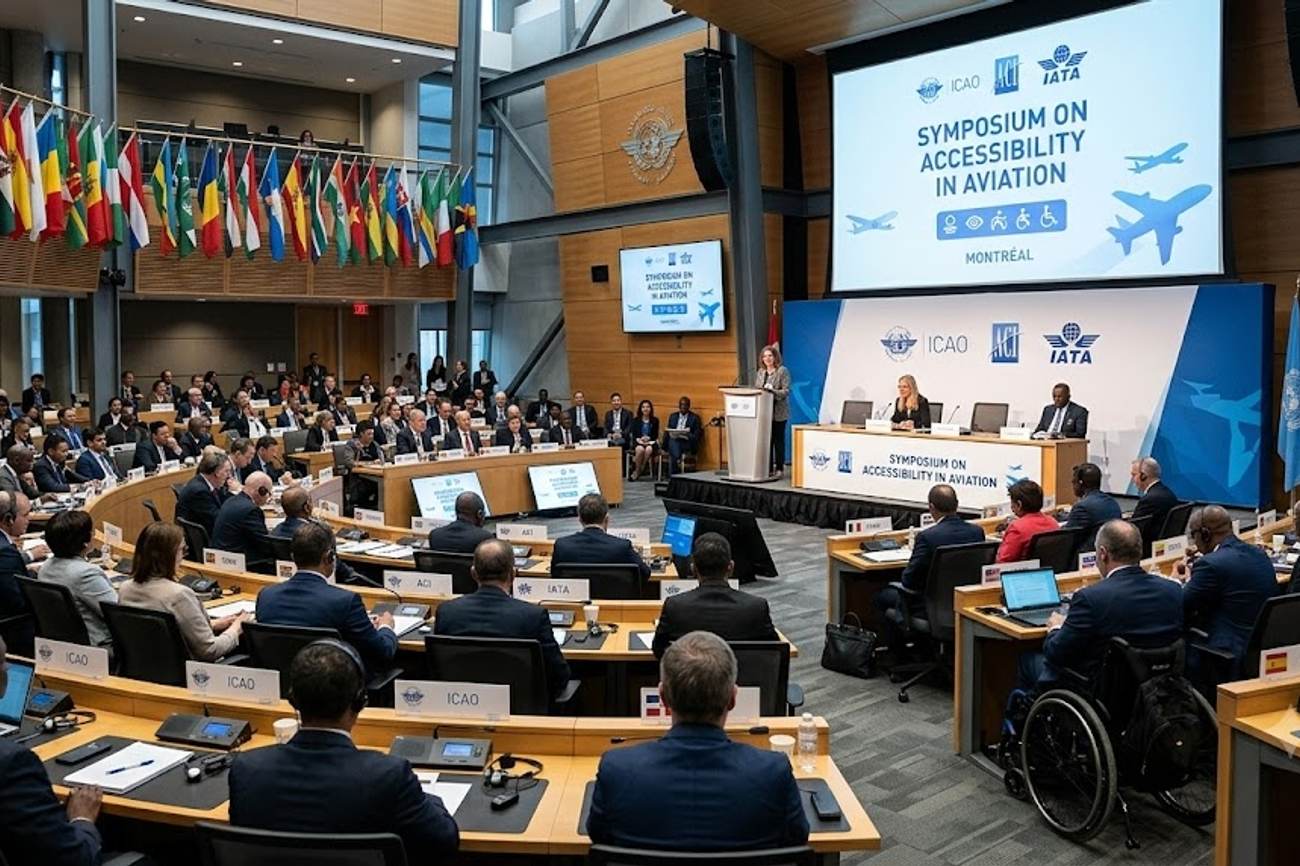
Image generated by AI
Montréal: The Global Hub for Aviation Equity
While most travelers view Montréal as a city of cobblestones and jazz, it is secretly the nerve center of global flight regulation. On 14–15 October 2026, the city will transform into a high-stakes boardroom for the world's aviation elite during the Second Joint ICAO/ACI/IATA Symposium on Accessibility in International Civil Aviation.
The Shift Toward Universal Flight Access
Montréal is preparing to host a gathering that marks a fundamental pivot in how the aviation industry views passenger service. For decades, accessibility was treated as a niche operational requirement or a checklist for compliance. Now, the International Civil Aviation Organization (ICAO), the Airports Council International (ACI), and the International Air Transport Association (IATA) are pushing to integrate inclusivity into the very DNA of the air travel experience.
The 2026 symposium, themed "Advancing Global Commitment to Inclusive and Universally Accessible Air Transport for All," is not merely a talking shop. It is a strategic follow-up to the inaugural December 2024 meeting held at the ICAO Headquarters. The goal is to move beyond vague promises and establish a harmonized, international standard for the "complete journey."
In the aviation world, a "complete journey" is a fragile chain. It begins the moment a passenger opens a booking app and ends only when they reach their final destination. If a passenger with a disability finds a seamless check-in process but encounters a breakdown in mobility equipment handling at a connecting hub, the entire journey is compromised. This symposium aims to fix those broken links by aligning international standards, specifically referencing ICAO Annex 9 — Facilitation, to ensure that a passenger's needs are met consistently, whether they are landing in Tokyo, Paris, or Montréal.
What Makes Montréal the Right Stage
Montréal is uniquely positioned for this dialogue. As the home of the ICAO Headquarters, the city is where the rules of the sky are written. But beyond the bureaucracy, Montréal is a city that understands the tension between historic infrastructure and modern accessibility. Navigating its steep hills and old-world architecture requires the same kind of innovative thinking that the aviation industry is now applying to airport terminals.
The scale of the challenge is staggering. Data from the World Health Organization, cited by ACI, reveals that over 1.3 billion people—roughly 16% of the global population—live with some form of disability. As global populations age, this demographic is growing. The aviation industry is facing a reckoning: if it cannot adapt its infrastructure and staff capabilities to accommodate this massive segment of the population, it risks operational inefficiency and systemic exclusion.
The 2026 event will focus on the intersection of technology and human empathy. An accompanying exhibition will showcase the latest in inclusive transport design, from AI-driven navigation for visually impaired passengers to next-generation mobility aids. By bringing together regulators, disability advocates, and tech providers, the symposium seeks to create a global playbook that eliminates the "geographic lottery" where accessibility depends entirely on which country you are flying through.
Visitor Insider Tips
If you are heading to Montréal for the symposium or visiting the city during the autumn season, avoid the typical tourist traps and lean into the local rhythm.
Timing and Weather: October is the peak of autumn foliage. To avoid the crowds at Mount Royal Park, head there at sunrise. The air is crisp, and the light hitting the maples is spectacular. Be prepared for "layered" weather; Montréal temperatures in mid-October can swing wildly between freezing mornings and mild afternoons.
Neighborhood Base: Skip the downtown hotels and look for accommodations in Le Plateau-Mont-Royal. This is where you will find the city's creative soul, colorful spiral staircases, and the best independent cafes. It is far more authentic than the sterile corridors of the business district.
Transport Hacks: While the Metro is efficient, the city is incredibly walkable. However, if you are visiting the ICAO Headquarters, be aware that it is located slightly away from the primary tourist core. Use the STM (Société de transport de Montréal) app to track buses in real-time, as schedules can fluctuate during major international summits.
Local Flavor: Do not leave without trying a real Montréal-style bagel. While St-Viateur and Fairmount are the famous rivals, the locals usually have a fierce preference for one over the other. Eat them hot, straight from the wood-fired oven, and skip the cream cheese—the honey-water boil gives them a sweetness that stands alone.
Cultural and Environmental Context
The push for accessibility in aviation mirrors a broader cultural shift within Québec and Canada. There is a deep-seated local pride in "social inclusivity," but this often clashes with the reality of aging urban infrastructure. In Montréal, you will see a constant battle between preserving the 17th-century charm of Old Montréal and installing the ramps and elevators necessary for modern accessibility.
Tourism in Montréal is also evolving to be more mindful of its environmental footprint. The city has invested heavily in bike lanes and pedestrian-only zones, reflecting a desire to move away from car-centric urbanism. The aviation symposium's focus on "seamless mobility" aligns with this local philosophy: the idea that movement should be a right, not a privilege, and that the environment should be adapted to the person, not the other way around.
Furthermore, the presence of ICAO brings a unique diplomatic energy to the city. When these global summits occur, Montréal becomes a microcosm of the world, blending French and English sensibilities with a global diplomatic corps. This creates a temporary, high-energy atmosphere in the city's bistros and hotels, where aviation policy is often debated over plates of poutine.
For those interested in the regulatory side of travel, exploring the ICAO official site provides a window into how these standards are codified. Similarly, those planning a trip to Canada should consult Destination Canada for regional travel insights and UNESCO for information on the cultural heritage sites that define the region's identity.
FAQ: Visiting Montréal 2026
What is the best time to visit Montréal? October is ideal for autumn colors and fewer crowds than summer. However, June and July are best for the city's world-famous jazz and comedy festivals.
Do I need a visa to attend the symposium? Most international visitors require either a visa or an Electronic Travel Authorization (eTA) to enter Canada. Check the official Government of Canada website well in advance of October 2026.
How do I get to the ICAO Headquarters from downtown? The most reliable method is via the STM bus network or a ride-share service. It is located outside the immediate pedestrian center, so allow at least 30 minutes for transit.
Is Montréal safe for solo travelers? Yes, Montréal is widely regarded as one of the safest large cities in North America, with a welcoming, multicultural atmosphere and a very active public transport system.
The sky is finally opening up for everyone, and Montréal is where the keys are being handed out.
Related Travel Guides
- GBTA Convention 2026 Reveals How Travel Buyers Are Leading the AI Revolution and Transforming Corporate Travel
- HSMAI Names Four Rising Hospitality Stars Set to Shape the Future of Travel and Tourism
- Adventure Travel Auction Turns Wild Trips Into Conservation Cash as Bidding Opens on World Tourism Day
Disclaimer
This article is for informational and educational purposes only. It does not constitute legal, financial, or professional advice. While we strive to provide accurate and up-to-date information, travel policies, regulations, and conditions change rapidly. Always verify information with official sources before making travel decisions. Nomad Lawyer makes no representations about the accuracy, reliability, completeness, or suitability of the information provided. Readers should consult qualified professionals for advice specific to their circumstances. The views expressed in this article are those of the author and do not necessarily reflect the views of Nomad Lawyer.
Kunal K Choudhary
Co-Founder & Contributor
A passionate traveller and tech enthusiast. Kunal contributes to the vision and growth of Nomad Lawyer, bringing fresh perspectives and driving the community forward.
Learn more about our team →