
United Airlines Pilot Under Review After 7-Minute Open-Mic Tirade Against Crew in 2026
A United Airlines pilot faces internal investigation after an open microphone broadcasted a profanity-laced rant targeting flight attendants to over 250 passengers.

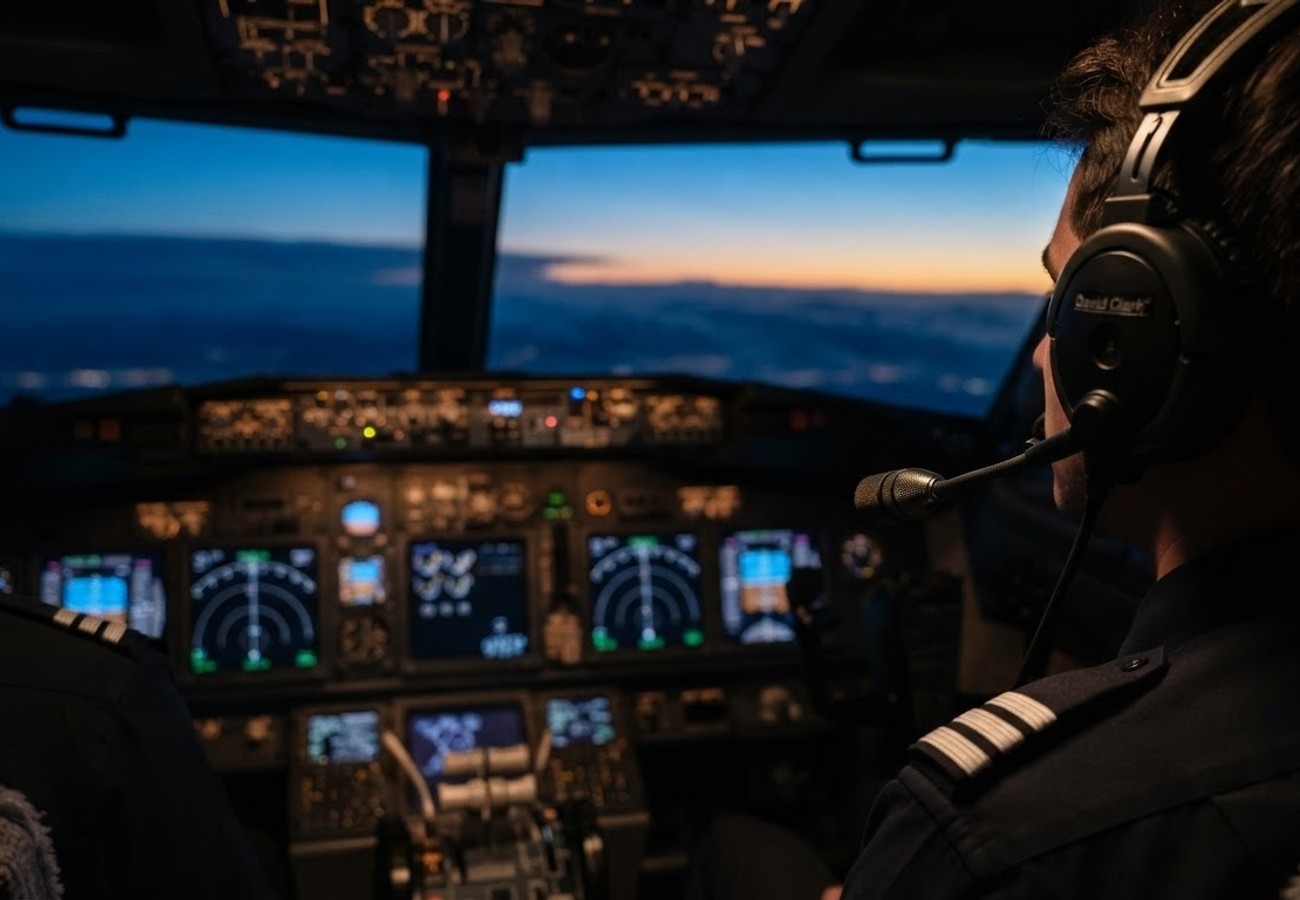
Image generated by AI
Over 250 passengers were subjected to a seven-minute, profanity-laden broadcast after a United Airlines pilot accidentally left the cockpit microphone live while criticizing cabin crew.
The Cockpit Communication Failure
A routine United Airlines flight recently transformed into a viral case study of professional breakdown when a pilot, intending to address flight attendants privately, failed to secure the public-address (PA) system. For approximately seven minutes, the entire aircraft heard a stream of expletives and targeted criticisms directed at specific crew members by name.
The incident created a palpable tension within the cabin. While the pilot remained unaware that his remarks were being broadcast, the flight attendants—the targets of the tirade—were forced to continue their safety and service duties while visibly shaken. Following the outburst, some crew members apologized to passengers for the audible conflict, though the flight eventually reached its destination without operational delays.
Professional Standards and Safety Culture
United Airlines has confirmed an internal review into the pilot's conduct. This investigation focuses on whether the outburst violated company policies regarding mutual respect and professionalism. In the aviation industry, the relationship between the flight deck and the cabin is not merely a matter of workplace etiquette; it is a safety requirement.
For the visitor, the real impact of such a breakdown is the erosion of the "safety chain." Effective Crew Resource Management (CRM) relies on the ability of pilots and flight attendants to communicate clearly and without fear of retaliation. When a pilot uses their position of authority to demean colleagues, it can create a hesitation in the cabin crew to report safety concerns or anomalies during critical phases of flight, such as takeoff or landing.
Labor Tensions in the 2026 Aviation Climate
This episode mirrors a broader trend of fraying patience across the U.S. aviation sector. Flight attendants have increasingly advocated for protections against harassment and better pay, framing themselves as essential safety professionals rather than just service staff.
The public reaction to this incident suggests a shift in passenger psychology. Travelers are increasingly empathetic toward cabin crew and less tolerant of unprofessional behavior from the flight deck. With the ubiquity of smartphones, cockpit errors—even non-mechanical ones—are now documented and amplified instantly, forcing airlines to move faster in their disciplinary actions to protect their brand reputation.
Visitor Insider Tips: Navigating In-Flight Tensions
When experiencing high-tension environments or crew conflicts during travel, passengers can maintain a stress-free journey by following these local aviation norms:
- The "Quiet Observation" Rule: If you notice tension between crew members, avoid intervening unless it is a safety issue. Professional crews are trained to resolve conflicts through internal channels; passenger interference can often escalate the stress.
- Direct Feedback Channels: Rather than engaging with a stressed crew member in the moment, use the airline's digital feedback tools or a formal post-flight report. This ensures the incident is logged by the regional tourism or aviation board for systemic improvement.
- Noise-Canceling Etiquette: In the event of cockpit audio leaks or cabin disputes, using noise-canceling headphones is the most effective way to maintain personal peace without contributing to the cabin's collective anxiety.
- Support the Crew: A simple "thank you" or acknowledgement of a flight attendant's professionalism during a tense flight can significantly boost morale and reinforce a positive safety culture on board.
Tourism and Aviation Outlook
The long-term impact of this incident will likely manifest in updated training modules. Aviation safety experts are now calling for a renewed focus on "sterile cockpit" discipline—not just regarding flight operations, but regarding the use of communication equipment.
As airlines like United expand their training hubs, such as the Denver Flight Training Center, there is an opportunity to integrate more robust emotional intelligence and stress management training. The goal is to ensure that the pressures of 2026 travel—including staffing shortages and passenger volatility—do not compromise the professional bond between the cockpit and the cabin.
A few minutes of unchecked anger can now reverberate across the entire global aviation network.
Related Travel Guides
Disclaimer
This article is for informational and educational purposes only. It does not constitute legal, financial, or professional advice. While we strive to provide accurate and up-to-date information, travel policies, regulations, and conditions change rapidly. Always verify information with official sources before making travel decisions. Nomad Lawyer makes no representations about the accuracy, reliability, completeness, or suitability of the information provided. Readers should consult qualified professionals for advice specific to their circumstances. The views expressed in this article are those of the author and do not necessarily reflect the views of Nomad Lawyer.
Raushan Kumar
Founder & Lead Developer
Full-stack developer with 11+ years of experience and a passionate traveller. Raushan built Nomad Lawyer from the ground up with a vision to create the best travel and law experience on the web.
Learn more about our team →