
United Airlines Flight UAL3820 Boeing 737 MAX 9 Diverts to Denver from Seattle in 2026
United Airlines Flight UAL3820, a Boeing 737 MAX 9 traveling from Seattle to Chicago, made an unscheduled diversion to Denver International Airport on August 5, 2026.

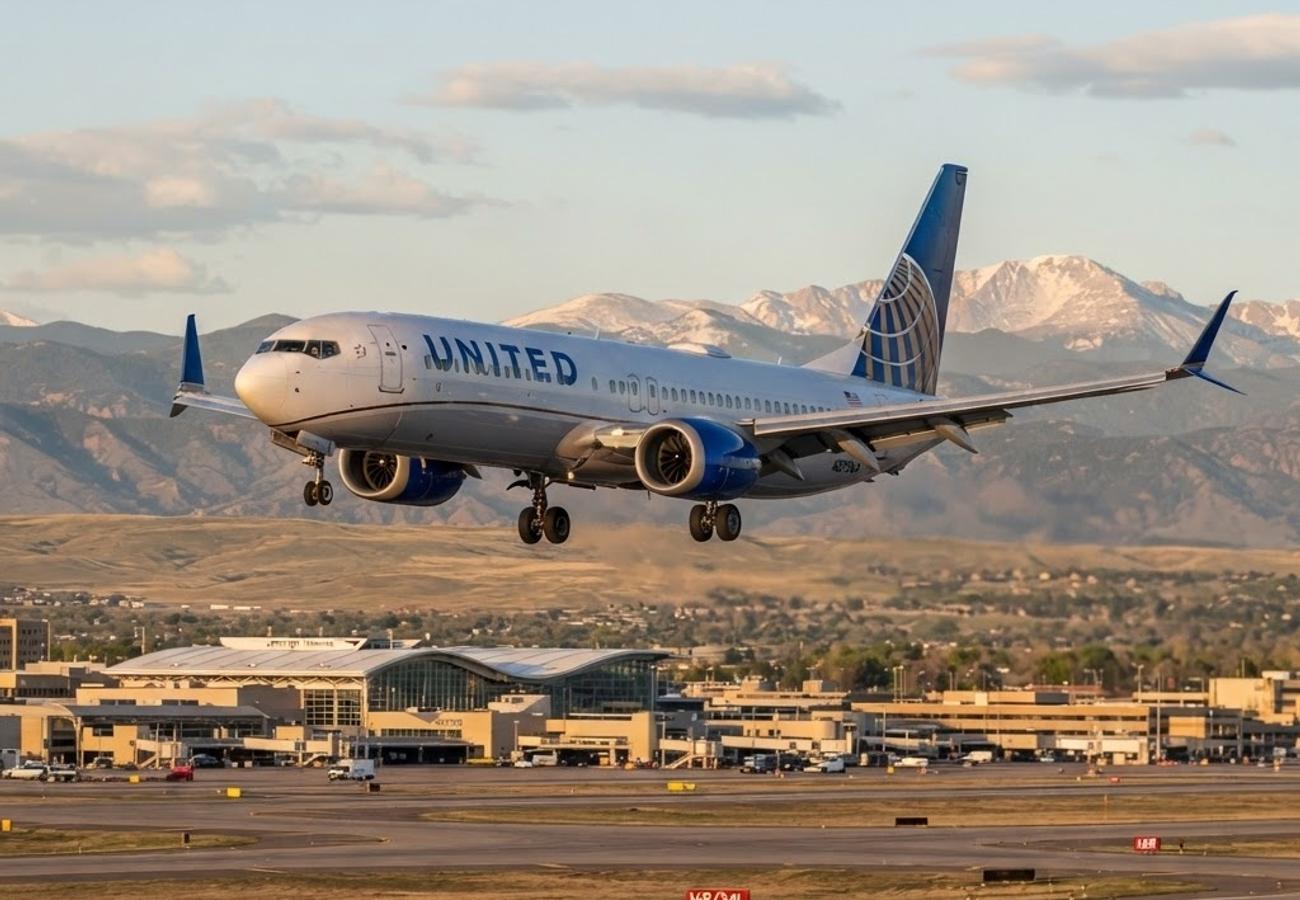
Image generated by AI
A Boeing 737 MAX 9 operated by United Airlines was forced to divert to Denver International Airport on August 5, 2026, after departing Seattle for Chicago. The flight, designated as UAL3820, landed safely despite an initial departure delay and an undisclosed operational trigger.
The incident occurred on Wednesday, August 5, 2026, involving aircraft registration N17467. The flight originated from King County International Airport (Boeing Field) in Seattle, Washington, with a planned destination of Chicago O’Hare International Airport. According to flight tracking data, the aircraft took off at 10:27 AM PDT, which was approximately one hour and twenty-seven minutes behind its original scheduled departure time.
Instead of proceeding to Illinois, the flight crew opted to land in Colorado. The aircraft touched down at Denver International Airport at 3:20 PM MDT. The total time spent in the air was approximately three hours and fifty-three minutes.
Operational Logistics of the UAL3820 Diversion
While the aircraft landed safely at Gate A22 in Denver, United Airlines has not yet released a formal statement regarding the specific catalyst for the diversion. In commercial aviation, diversions are standard safety protocols used when a flight crew determines that continuing to the original destination is no longer the most viable or safe option.
Common triggers for such maneuvers include:
- Sudden shifts in weather patterns along the flight path.
- Unexpected air traffic congestion at the destination airport.
- The need for precautionary technical inspections.
- Airport-specific operational constraints.
Because no emergency was declared and the aircraft landed without incident, industry observers categorize this as an operational event. The decision to divert is typically a collaborative effort between the cockpit crew and ground-based dispatchers to mitigate risk.
Strategic Role of Denver International Airport
The choice of Denver as the diversion point is logically aligned with United Airlines' network structure. Denver International Airport serves as one of the carrier's primary operational hubs, providing a significant advantage during unscheduled landings.
By diverting to a hub, the airline gains immediate access to extensive maintenance facilities and specialized engineering support. Furthermore, the availability of standby crews and robust passenger handling resources allows the airline to manage the disruption more efficiently than at a non-hub airport. For the passengers on UAL3820, this meant they were landed at a facility where United could more easily coordinate rebooking or provide necessary ground assistance.
Flight Data Summary: UAL3820
The following table outlines the specific telemetry and scheduling data associated with the incident:
| Flight Detail | Data |
|---|---|
| Flight Number | UAL3820 |
| Aircraft Model | Boeing 737 MAX 9 |
| Registration | N17467 |
| Departure Airport | King County International Airport (Boeing Field), Seattle |
| Intended Destination | Chicago O’Hare International Airport |
| Diversion Airport | Denver International Airport |
| Departure Time | 10:27 AM PDT (Aug 5, 2026) |
| Arrival Time (Denver) | 3:20 PM MDT (Aug 5, 2026) |
| Flight Duration | ~3 Hours 53 Minutes |
| Departure Delay | 1 Hour 27 Minutes |
| Arrival Gate | Gate A22 |
Impact on Passengers and Network Stability
Diversions create a ripple effect across an airline's daily schedule. When a Boeing 737 MAX 9 is diverted, it disrupts the "aircraft rotation"—the sequence of flights that specific plane is scheduled to fly for the rest of the day. This can lead to subsequent delays for other routes assigned to N17467.
Additionally, crew duty limits are a critical factor. Pilots and flight attendants have legally mandated maximum working hours. An unscheduled stop in Denver may push a crew toward their legal limit, potentially requiring the airline to fly in a replacement crew to move the aircraft and passengers onward to Chicago.
For the travelers on board, the experience usually involves a transition from the aircraft to a terminal gate where ground staff provide updates on onward travel. Depending on the cause of the diversion, passengers are typically offered a choice between a rescheduled flight or, in cases of significant delays, overnight hotel accommodations.
Why This Matters: The Passenger Perspective
From a legal and logistical standpoint, a diversion highlights the tension between schedule reliability and safety mandates. For the traveler, this incident underscores the importance of maintaining a digital connection to the airline's real-time notification system.
When a flight diverts, the "contract of carriage" between the passenger and the airline is tested. Travelers should be aware that while airlines prioritize safety, the responsibility for communicating rebooking options often falls on the passenger to track via mobile apps or airport displays. From a consumer rights perspective, keeping detailed receipts for meals or hotels during an unscheduled diversion is essential, as reimbursement depends heavily on whether the diversion was caused by "controllable" (mechanical) or "uncontrollable" (weather) factors.
This event serves as a reminder that even modern aircraft like the 737 MAX 9 are subject to the fluid nature of airspace management. The safe landing in Denver confirms that the safety systems and crew decision-making processes functioned as intended, prioritizing a precautionary landing over the risk of proceeding to Chicago.
The aviation community continues to monitor for an official technical report from United Airlines regarding the specific cause of the UAL3820 diversion.
Related Travel Guides
Disclaimer
This article is for informational and educational purposes only. It does not constitute legal, financial, or professional advice. While we strive to provide accurate and up-to-date information, travel policies, regulations, and conditions change rapidly. Always verify information with official sources before making travel decisions. Nomad Lawyer makes no representations about the accuracy, reliability, completeness, or suitability of the information provided. Readers should consult qualified professionals for advice specific to their circumstances. The views expressed in this article are those of the author and do not necessarily reflect the views of Nomad Lawyer.
Kunal K Choudhary
Co-Founder & Contributor
A passionate traveller and tech enthusiast. Kunal contributes to the vision and growth of Nomad Lawyer, bringing fresh perspectives and driving the community forward.
Learn more about our team →