
United Airlines Flight UA602 Boeing 737 MAX 9 Diverts from Chicago to Albuquerque on July 20
United Airlines Flight UA602, a Boeing 737 MAX 9 traveling from Chicago to Phoenix, diverted to Albuquerque International Sunport on July 20, 2026, following standard safety protocols.

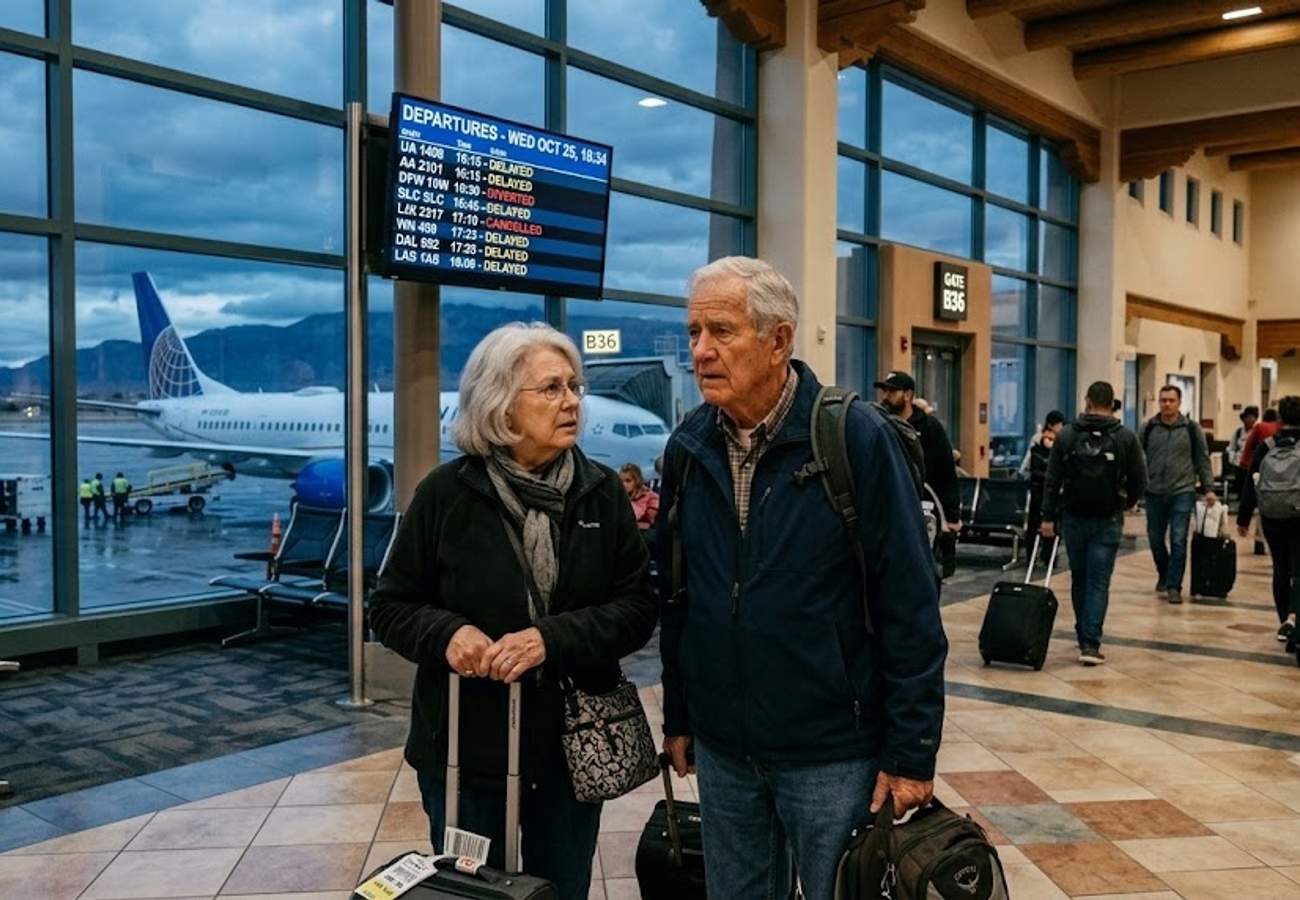
Image generated by AI
On July 20, 2026, United Airlines Flight UA602, operated by a Boeing 737 MAX 9, diverted from its planned route between Chicago and Phoenix. The aircraft, registered as N77559, landed at Albuquerque International Sunport after determining it could not continue to its original destination.
While the specific catalyst for the diversion has not been officially disclosed by United Airlines, such maneuvers are standard operational responses to a variety of triggers. These typically include onboard medical emergencies, adverse weather conditions, technical requirements, or air traffic control restrictions.
The diversion underscores the critical role of regional airports in the U.S. aviation network, providing essential safety valves for major hub-to-hub traffic when unexpected variables arise.
Flight Timeline and Operational Data
The flight departed from Chicago O’Hare International Airport, one of the world's most congested aviation hubs, at 20:30. Under normal operating conditions, the aircraft was scheduled to arrive at Phoenix Sky Harbor International Airport at 21:16.
Due to the mid-flight decision to redirect, the aircraft touched down at Albuquerque International Sunport at 22:27. This shift in destination resulted in a delay beyond the original arrival time, reflecting the necessary route adjustments and safety checks required for a diverted landing.
UA602 Flight Details: July 20, 2026
| Flight Number | Aircraft Model | Registration | Departure City | Intended Destination | Diversion Airport | Departure Time | Actual Arrival Time |
|---|---|---|---|---|---|---|---|
| UA602 | Boeing 737 MAX 9 | N77559 | Chicago (ORD) | Phoenix (PHX) | Albuquerque (ABQ) | 20:30 | 22:27 |
Aviation Safety Protocols During Diversions
A flight diversion is rarely the result of a single factor but is instead a calculated decision made through a coordinated effort between the cockpit, airline dispatchers, and air traffic controllers.
Pilots evaluate several real-time metrics before diverting, including:
- Current aircraft health and technical status.
- Fuel reserves and endurance.
- Weather reports at both the intended destination and potential alternates.
- The availability of ground support and passenger facilities at the diversion airport.
Once on the ground at a diversion site like Albuquerque, the priority shifts to passenger welfare and technical assessment. Maintenance crews inspect the aircraft to determine if the issue was mechanical, while ground staff coordinate onward travel or overnight accommodations for the passengers.
Strategic Importance of the Affected Hubs
The route between Chicago and Phoenix is a vital domestic link, connecting a primary Midwestern global hub with a primary Southwestern gateway.
- Chicago O’Hare (ORD): Acts as a massive connection point for domestic and international traffic, meaning any disruption here can ripple across a global network.
- Phoenix Sky Harbor (PHX): A critical node for business and tourism in Arizona and the broader Southwest.
- Albuquerque International Sunport (ABQ): While smaller than the other two, it serves as a vital safety alternative. Its ability to handle diverted aircraft ensures that flights from major corridors have a safe place to land if the primary destination becomes unavailable.
Guidance for Affected Passengers
Passengers impacted by flight diversions are encouraged to rely exclusively on official airline communication channels. In these scenarios, airlines typically provide updates regarding:
- The status of the aircraft and whether the original plane will complete the trip.
- Re-booking options on alternative flights.
- Compensation or hotel vouchers if the diversion causes an overnight stay.
It is important to note that a diversion is often a precautionary measure. It indicates that the safety systems are functioning as intended—prioritizing a secure landing over the convenience of the original schedule.
Safety remains the primary objective in every aviation operational change.
Related Travel Guides
Disclaimer
This article is for informational and educational purposes only. It does not constitute legal, financial, or professional advice. While we strive to provide accurate and up-to-date information, travel policies, regulations, and conditions change rapidly. Always verify information with official sources before making travel decisions. Nomad Lawyer makes no representations about the accuracy, reliability, completeness, or suitability of the information provided. Readers should consult qualified professionals for advice specific to their circumstances. The views expressed in this article are those of the author and do not necessarily reflect the views of Nomad Lawyer.
Raushan Kumar
Founder & Lead Developer
Full-stack developer with 11+ years of experience and a passionate traveller. Raushan built Nomad Lawyer from the ground up with a vision to create the best travel and law experience on the web.
Learn more about our team →